Documenting India's Biodiversity through Conservation Photography
My lens extends beyond big cats to capture the full spectrum of Indian wildlife, from urban wetlands to protected grasslands, to advocate for habitat preservation.
A drone's perspective reveals the breathtaking sight of flamingos in Navi Mumbai's Talawe wetland. This area, vital for migratory birds, is threatened by development, and my work aims to bring awareness to its plight.
A Greater one-horned rhinoceros emerges from the darkness in Assam, captured by a camera trap on its way to a wallow. These nocturnal images are key to understanding the behavior of this vulnerable species.
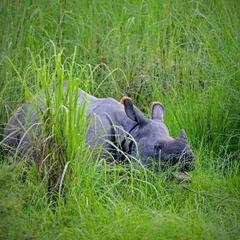
A rhino disappears into the tall elephant grass that characterizes its habitat in Kaziranga National Park. This image speaks to the challenge of conservation: protecting not just the animal, but the vast, specific landscape it needs to survive.
About A Wider Lens: Documenting India's Biodiversity
Conservation photography is less about the camera and more about the evidence. Whether I am documenting flamingo migration patterns in the Talawe wetlands or deploying camera traps for nocturnal rhinoceros studies, the objective is consistent: creating visual narratives that provide the scientific and social weight necessary to influence habitat protection.
The wild is not a distant concept; it exists in the marshes on the edge of Mumbai and the dense elephant grass of Kaziranga. My work in this cluster focuses on shifting the public perception of these environments. When I document the flamingos at the Talawe wetland, I am not just capturing birds; I am creating a visual record of an ecosystem that faces pressure from urban expansion.
My approach relies on technical consistency. I utilize drones to provide an aerial perspective of habitat scale, which is essential for understanding how wildlife corridors interact with human settlements. Simultaneously, I use camera traps to record nocturnal species, like the rhinoceros, without human intrusion. This method allows the animal to behave naturally, providing an authentic look at their life cycle.
This collection is about more than aesthetics. It is a compilation of field data used to support conservation campaigns. By presenting the reality of these species—their vulnerability, their daily struggles for food and space, and their resilience—I aim to make a case for their continued survival in a changing India.
Similar work from other experts
Browse through Curated picks from other experts on mytribe
 11
11
Wildlife Habitat Photography and Natural Stories
A Voice for Conservation: Protecting India's Wildlife
 20
20
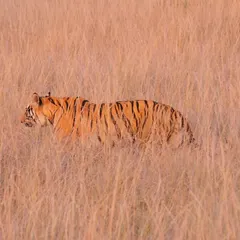
The Great Cats: Phantoms of the Forest
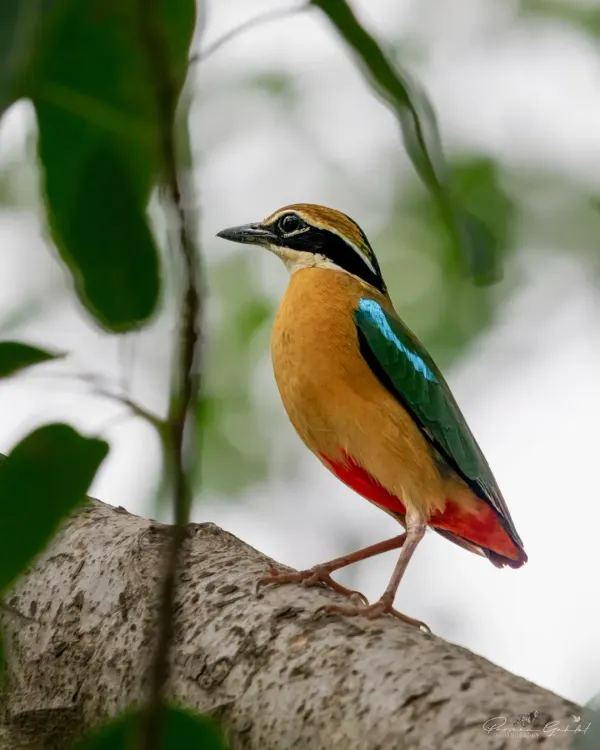 44
44
A Photographer's Journal: Conservation and Nature Stories
 6
6
Wildlife photography beyond the birds
 8
8
Wildlife & Nature Photography Portfolio
More from Conservation Storytelling & Visual Advocacy by Nayan Khanolkar
More services by Nayan Khanolkar