Architectural Design and Spatial Visualization
Before any concrete is cast, we test every volume, shadow, and sightline. Our design process relies on physical scale models and advanced digital visualization to refine the logic of your space long before construction begins.
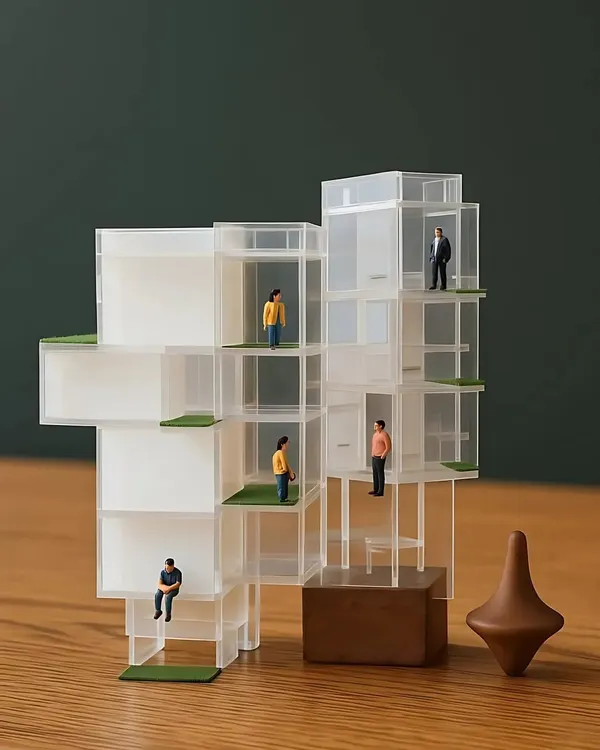
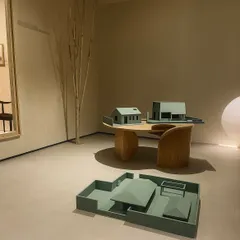
A 3D printed model of the 'Tetris' house concept, internally lit and displayed on a wooden pedestal. This physical model helps to understand the complex spatial relationships and the play of light.
This video shows the process of creating a digital 3D model of the 'Tetris' house using photogrammetry, scanning the physical model to create a virtual representation.
A video of a 3D printed model of a spiral staircase. This allows me to study the organic form and structural logic of the design before it is engineered and built.
Physical architectural models in my studio. The play of winter sunlight on the wall behind the models serves as inspiration for how light will interact with the final building.
A closer view of the architectural models, including a truss structure and a block model in a plexiglass case. These objects are essential tools for my design thinking.
A detailed shot of a balsa wood model of a steel truss system. The shadows cast by the model on the wall are as important as the model itself, revealing its potential to shape light.
About Design and Visualization
You cannot fully grasp the interplay of light and volume on a flat screen. We build physical scale models, using balsa wood or 3D printed filaments, to test how sunlight shifts across a room throughout the day. This step exposes potential structural dead zones and allows us to adjust the design until the geometry feels resolved and intentional.
The Methodology of Spatial Design
Architecture is not a static result but a sequence of decisions. My practice rejects the reliance on singular digital renders, which often mask the reality of material weight and scale. Instead, we employ a hybrid process to ensure the design remains grounded in physical reality.
Physical Modeling
We produce detailed scale models for every project. When we construct a balsa wood truss system or a 3D printed volume, we are not just creating a presentation piece. We are studying volumetric composition. We place these models under controlled light to simulate the winter sun or the harsh midday glare of a Delhi summer. This reveals how shadows will fall on your living room floor or how a cantilevered volume will sit against the horizon.
Digital Visualization
Our digital process complements this tactile approach. We use photogrammetry and high-fidelity 3D rendering to validate these physical findings. This creates a bridge between the abstract model and the concrete reality. By the time we arrive at the site with drawings, you already understand how the space will feel, how it will behave under different lighting conditions, and why every structural element—from the floating staircases to the exposed concrete surfaces—exists exactly where it does. This eliminates ambiguity and ensures that the final built environment retains the integrity of the original concept.
Similar work from other experts
Browse through Curated picks from other experts on mytribe
 9
9
The Design Process: From Concept to Reality
 9
9
The Art of the Model: Our Physical Design Process
The Design Journey: From Sketch to Structure
 4
4
Architectural Concepts & 3D Visualization Services
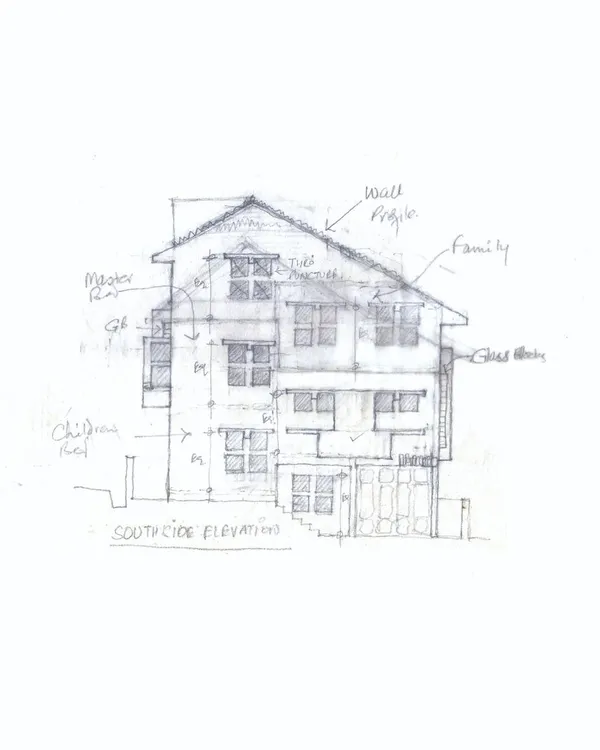 24
24
Architectural Design Process: From Sketch to Blueprint
The Design Journey: From Sketch to Structure
More from Bespoke Residential Architecture by Matra Architects
More services by Matra Architects