Indian Vocal Music Classes in Delhi Ncr
We teach Indian vocal music with focus on Raag, Taal, Sargam practice, and offer both classical and Gurbani Kirtan training for all ages, with online and offline classes and real stage performance opportunities.
Pricing Guide
ESTIMATESAbout Indian Vocal Music Classes
Why I Teach Indian Vocal Music
Music for me is way more than performance - it's ardaas (prayer), a way to connect with Waheguru. I see every note as a step closer to something bigger. Whether you're coming to learn shabad kirtan or want to master Indian classical singing, I try to make sure the journey feels personal.
What You'll Actually Learn
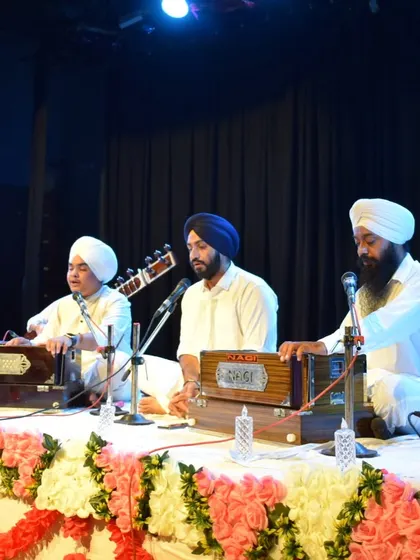
I focus first on Raag and Taal basics because, honestly, nothing in Indian music happens without these. You’ll get hands-on with Sargam practice techniques and start understanding how the melodies and rhythms shape everything. If you’re into classical, we go deep - bandish, taan, and alaap. For Gurbani Kirtan lessons, it’s all about finding that spiritual connection through music.
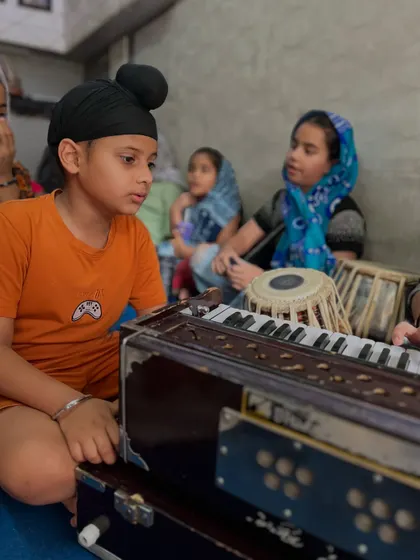
Usually, students learn singing alongside Harmonium and Tabla training. I won’t sugarcoat it - riyaz (practice) is tough and discipline is key. But that’s how your voice gets strong and expressive.
Who Can Join
Anyone with a shauk (passion) can start - age doesn’t matter. I teach kids, teens, grown-ups, even grandparents sometimes. Classes run both offline in New Delhi and online, so you can join from wherever.
From Practice to Performance
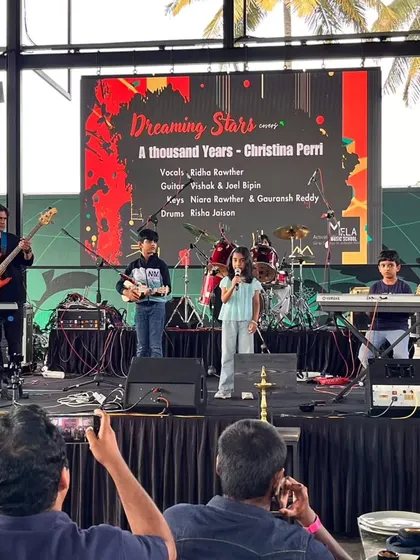
Students get to perform in proper concerts, baithaks, and actual Gurpurab events. Stage isn’t for everyone, but if you want to try, I’ll help you get there. No big promises - just real progress if you put in the work.
Highlights
Browse through Khalsa Music Academy's best work
Meet your Expert
Khalsa Music Academy
My Story
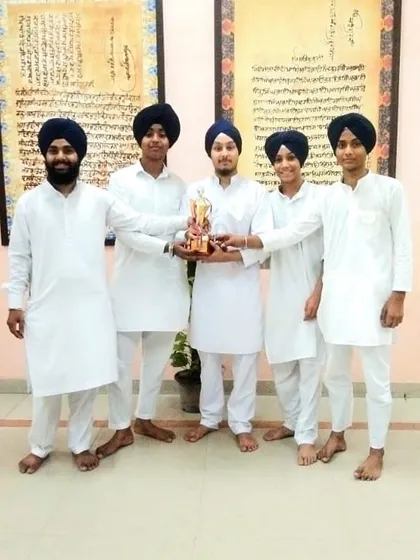
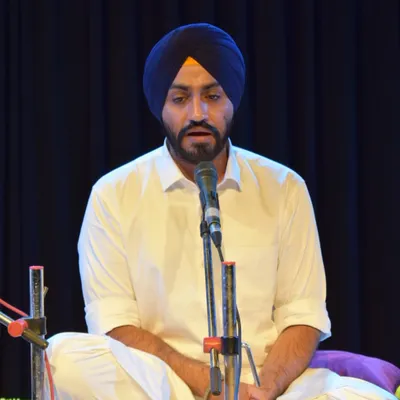
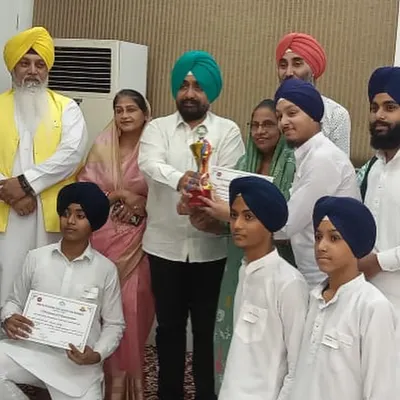
Waheguru ji ka Khalsa, Waheguru ji ki Fateh! At Khalsa Music Academy, music is our lifeblood, straight from Guru Nanak’s days, you know? We’re more like a family than a school, with kids and elders learning together. Seeing a child play tabla for the first time or students winning kirtan competitions, that’s our real prize. We teach music, sure, but mostly, we’re here to share love for it. Raag, taal, and a bit of heart – bas, yahi hai (that’s it).
My Work
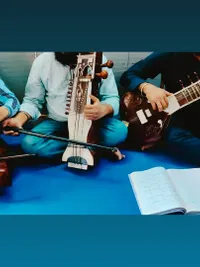
Instruments & Vocal Training - We teach tabla, harmonium, sitar, dilruba, sarod, santoor, rabab, taus, dhol, and offer Gurbani Kirtan coaching.
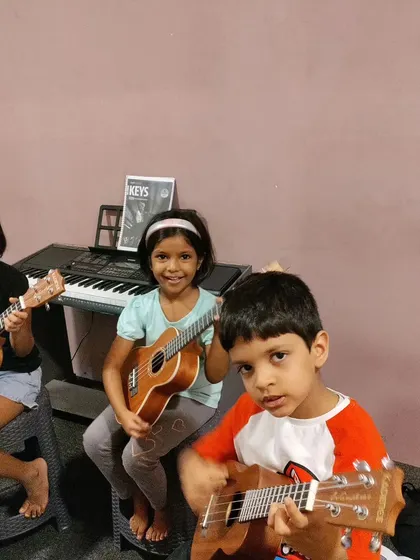
Learn Your Way - Classes for all ages, online ya offline (or offline), flexible timings, every student gets personal attention.
Raag & Taal Basics - We go deep into Indian classical music lessons, focusing on raag and taal for strong basics.
Performance Matters - Regular concerts, baithaks, and competitions – because music lives on stage, not just in class.
Quality Instruments - We also provide professional Indian musical instruments for students and musicians.