No-Fire Cooking: Practical Life Skills for Kids
In our kitchen, children master real-world skills. From chopping fruits to mixing bhelpuri, every step builds concentration, coordination, and confidence.
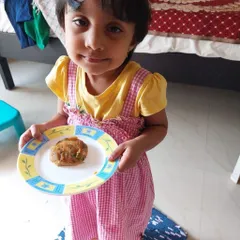
Our parent community is an integral part of our school. Here, a mother and child work together to prepare a snack. These sessions are a wonderful way for parents to get involved and share their own healthy recipes.
The delicious result of our collaborative bhelpuri making session during summer camp. The children chopped the vegetables, mixed the ingredients, and were so proud to share the snack they made themselves.
A glimpse into the variety of healthy, no-fire dishes we create. From fruit salads and poha with nuts to a healthy Poha Jaggery cake, children learn that nutritious food can be fun to make and delicious to eat.
Children gathered together to prepare a traditional sweet for Diwali. Group activities like this foster a sense of community and cooperation, as they all contribute to creating something special for the celebration.
Wholesome whole wheat laddus made by the children for our Diwali celebration. They participated in every step, from mixing the ingredients to rolling the final product, learning about their culture through hands-on experience.
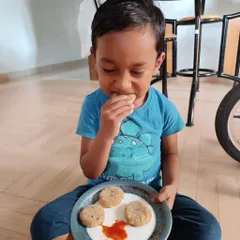
Children enjoying the food they helped prepare. Eating together is an important social grace, and it's even more special when they can take pride in having made the meal themselves.
An instructor guides a child through the steps of a no-fire cooking recipe. I demonstrate the process, then step back to let the child explore and work independently, offering support only when needed.
A child and a teacher work side-by-side, preparing ingredients for a community snack. This shows our collaborative approach to learning, where I guide and assist the child in their work.
Children sitting in a line, patiently enjoying the snacks they made. This simple moment teaches important social skills like waiting for one's turn and enjoying a meal as a community.
A child watches intently as a teacher prepares ingredients for a cooking activity. Observation is a key part of learning in a Montessori environment before the child attempts the task themselves.
About Cooking Together, No Fire Needed
When children chop a banana or mix a bowl of bhelpuri, they are not just making a snack. They are refining their fine motor skills, learning concentration, and practicing coordination. We supervise closely, but the hands doing the work belong entirely to them. By the time they sit down to eat, they understand exactly what went into their meal because they were involved in every step of the process.
Our cooking sessions are a cornerstone of our 'Practical Life' curriculum. In the Montessori method, we believe that children crave meaningful work that allows them to imitate adults in a safe, controlled way.
Why No-Fire Cooking?
It removes the danger but keeps the complexity. Children learn to use child-safe knives, peelers, and grinders. They are not just playing house. They are learning to measure ingredients, manipulate textures, and follow a sequence of steps. Whether it is grinding ragi for a traditional sweet or assembling a fruit salad, these activities teach children the value of preparation and patience.
Building Independence
We start by demonstrating a task. Then, we step back. A child might spill a few grains or mix unevenly. That is part of the learning. We let them correct themselves because that is how they build real confidence. You will often see them repeating a task—like pouring or stirring—until they feel they have mastered it. This repetition is where the magic happens.
Community and Connection
We regularly invite parents into these sessions. It is a time for bonding and sharing recipes. When a child prepares a dish and serves it to a peer or a parent, they learn social grace and the joy of contribution. It creates a bridge between the school environment and their home life, making the transition to eating and helping at home much smoother.
Our camp structure ensures that every child gets 15 sessions of this hands-on work. It is quiet, focused, and deeply rewarding.
Similar work from other experts
Browse through Curated picks from other experts on mytribe
 174
174
Fireless Cooking Adventures for Preschoolers
Hands-On Life Skills in Action
Fireless Cooking Workshops for Kids in Bengaluru
 9
9
Practical Life Skills Activities for Kids
 27
27
Hands-on Cookery and Practical Life Skills
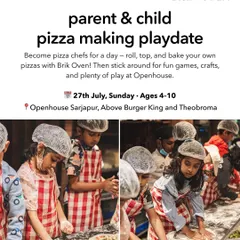
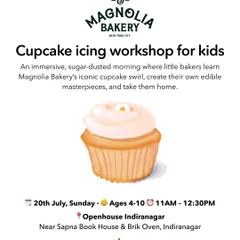
Little Chefs Cooking and Baking Workshops for Kids
More from Montessori Summer Camp by Ken Montessori
More services by Ken Montessori