Mastering Grassland and Open Habitat Photography
From the leaping blackbucks of Tal Chhapar to the flamingos at Sambhar Lake, open habitats demand a different eye. I help you master the golden hour light and fast-action tracking to capture these expansive, minimalist landscapes.
A Blackbuck walks along a dusty track in the golden morning light. The lens flare adds a dreamy, artistic quality to this otherwise simple and beautiful scene.
Two blackbucks appear to fly over the tall golden grass. This shot, taken at a low angle, emphasizes their incredible leaping ability and the feeling of boundless space in the grasslands.
A clearer view of the leaping blackbucks, showing the female leading the male across the track. This is a classic action shot that captures the energy of the chase.
A more minimalist composition of the leaping blackbucks, with a soft, hazy background that gives the image a painterly feel.
A repeat of a powerful action shot, showing two blackbucks mid-air as they bound across a dirt path in the grasslands.
A single blackbuck fawn caught mid-leap against a soft pink and purple sky. The panning motion in the background blurs the details, focusing all attention on the animal's graceful jump.
A creative composition showing a blackbuck and its reflection, aligned to look like a "virtual kiss." This is an example of seeing the world differently through the lens to create a unique and memorable image.
A slightly different version of the reflection shot, showing the exact moment the blackbuck's nose touches the water, completing the illusion of a kiss with its mirrored image.
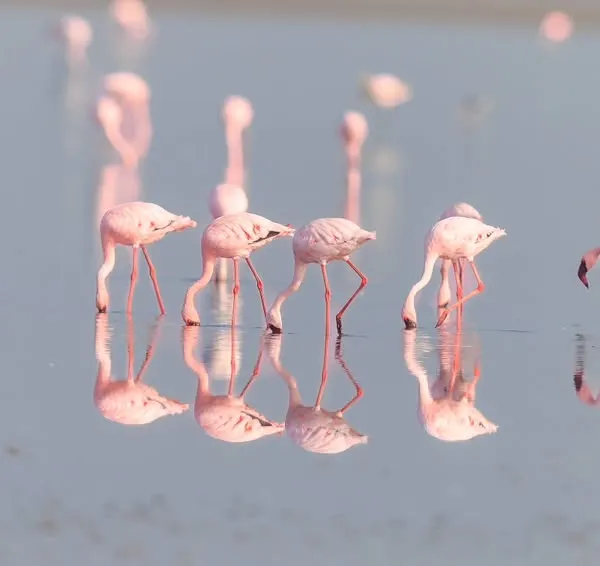
An aerial drone shot of a massive flock of flamingos at Sambhar Lake. This perspective reveals the incredible scale of the congregation and the beautiful patterns they create.
A drone's eye view of me and my vehicle in the vast, empty expanse of the Sambhar Salt Lake. This shows the scale of the landscapes we explore on these specialized tours.
About Grasslands & Open Habitats
The biggest mistake photographers make in grasslands is shooting from standing height. In my Tal Chhapar workshops, we spend the morning belly-down or at low angles, which completely changes the perspective on blackbucks and harriers. You are not just taking photos; you are learning to predict movement patterns so you don't have to chase the subject, letting the action come to your frame instead.
Grasslands offer no cover, which makes them one of the most challenging environments for wildlife photography. Unlike a dense forest where you can rely on shadows, here the light is relentless.
Why Grasslands Require a Specific Approach
- The Low-Angle Rule: When shooting in places like Tal Chhapar, the background is just as important as the subject. Getting low—often flat on the ground—separates the animal from the messy ground clutter and creates a cleaner, more professional portrait.
- Mastering the Panning Shot: For species like the Blackbuck that move fast across wide plains, we focus on panning techniques. This blurs the grass into a soft, golden wash while keeping the subject sharp. It adds a sense of speed that a standard shutter-priority shot lacks.
- Drone Integration: At locations like Sambhar Lake, we aren't just shooting from the ground. I teach you how to use drones to capture the massive scale of flamingo flocks and the unique textures of the salt lake. It’s about combining aerial composition with your ground-level wildlife knowledge.
My Workshop Focus
I run these trips differently. We don't just drive around in a gypsy hoping for a sighting. We study the morning light and the habits of the animals. Whether you are using a Nikon Z9 or a Sony A1, I help you dive into your custom menu banks to set up 'back-button' focus modes that actually work for fast-moving birds and mammals.
We start early—before sunrise. That transition from deep fog to golden sunlight is where the magic happens, and those are the shots we aim to bring back home. If you want to move beyond the 'tourist' photos and start creating stories with your camera, this is where we start.
Similar work from other experts
Browse through Curated picks from other experts on mytribe
 42
42
Waders & Waterbirds Photography Tours
 23
23
Wonders of the Wetlands & Coast: Bird Photography Expeditions
 37
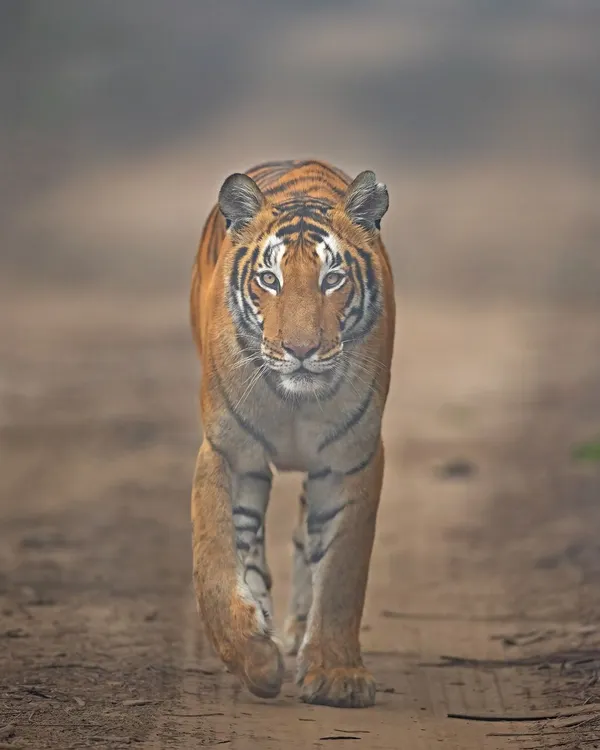
37Tiger Photography Expeditions: Learn to Track and Shoot
 44
44
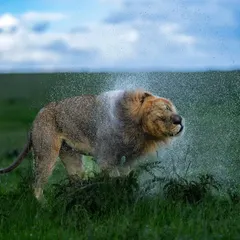
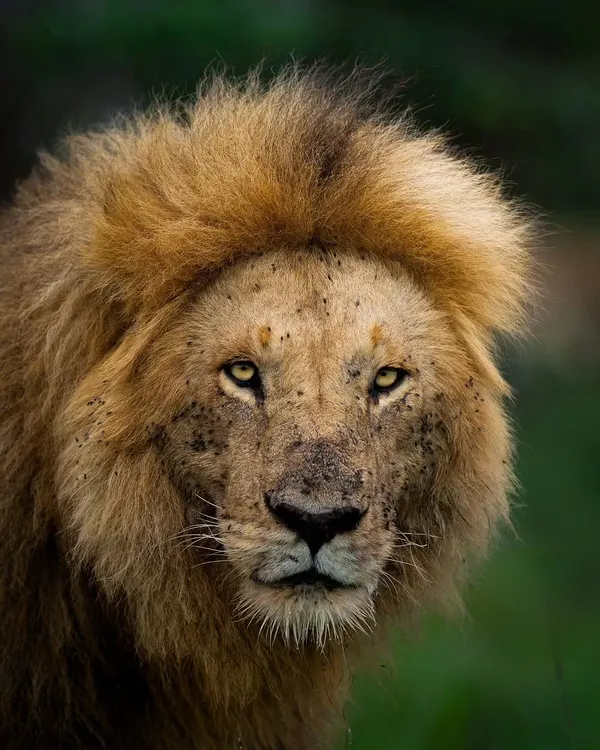
Masai Mara Wildlife Photography Tours
 10
10
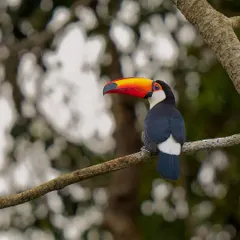
The Art of Bird Photography
 11
11
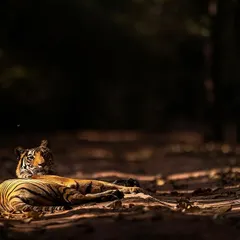
Tigerscapes: Environmental Wildlife Photography
Explore more photography tours
Find specific workshops or locations I cover across India.
More from Photography Tours & Workshops by Girish Singh
More services by Girish Singh