Science Project & Tutoring in Bengaluru

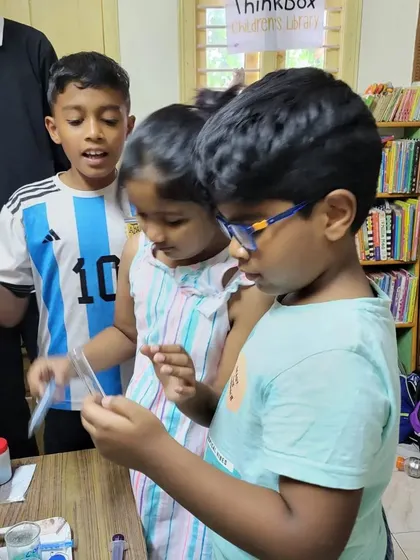
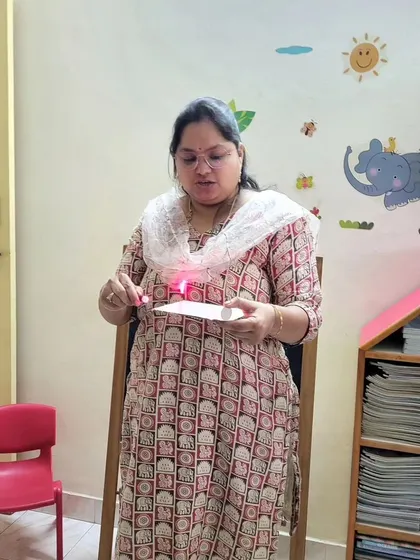
We help you build and experiment with real science models for school projects and tutoring, so you learn by doing and take home working models.
Pricing Guide
ESTIMATESAbout Science Project & Tutoring
Science, The Fun Way
I don't believe in boring textbooks for science. I want you to light up circuits and watch chemical reactions happen in your own hands. You know that feeling when something finally clicks? That's what I’m going for every time.
How We Learn Together
- I connect your school books with real world science applications.
- We think, build, and create. Like in Bahubali, when they used a giant catapult - we’ll actually make one to understand energy, not just memorize definitions.
- You’ll get your hands dirty, using tools and making stuff work.
School Projects & Tutoring Made Simple
- Struggling with a topic or need school science project help? I sit with you, break it down, and use hands-on science experiments so you actually get it.
- Need a cool science fair model? We’ll brainstorm, plan, and build together. You take home the working model, plus a solid grip on the topic.
What We Can Make
- Launching catapults, hydraulic lifts, solar-powered gadgets, and metal detectors.
- Bindaas (easy/awesome) physics tricks like levitating pencils or wild chemistry reactions.
Why I Do This
When you finally understand how stuff works, that’s the win. My goal is simple - make you curious, confident, and ready to think for yourself.
Highlights
Browse through Fun in Science's best work
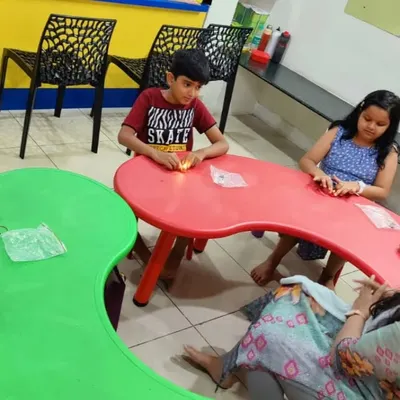
Meet your Expert
Fun in Science
My Story
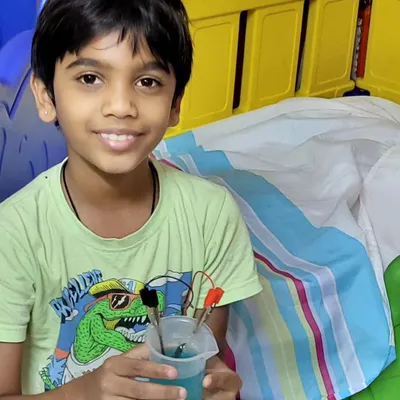
We’re Fun in Science, and honestly, textbooks never did it for us. Science is messy, wild, and everywhere - in the kitchen, in toys, even in movies. That’s why we started this, to show kids how experiments aren’t just theory. Watching a kid’s eyes light up when their own circuit works? That’s magic. We don’t just teach formulas, we spark curiosity, so kids actually want to explore and create.
My Work
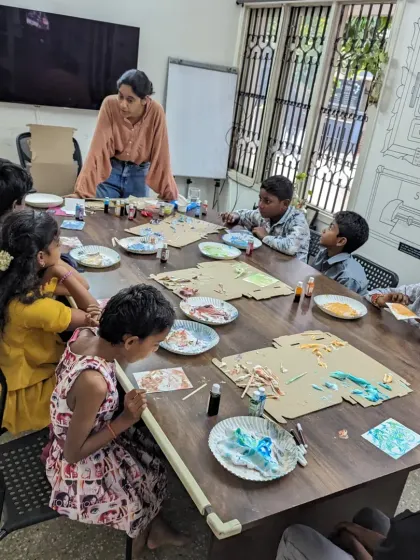
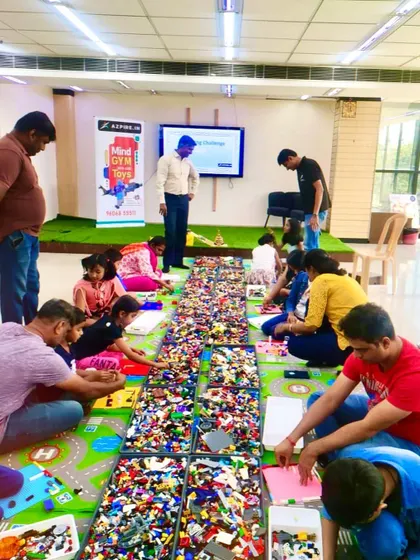
What we offer - Immersive science camp, weekend classes, hands-on science workshops, science-themed birthday parties, and help with school projects.
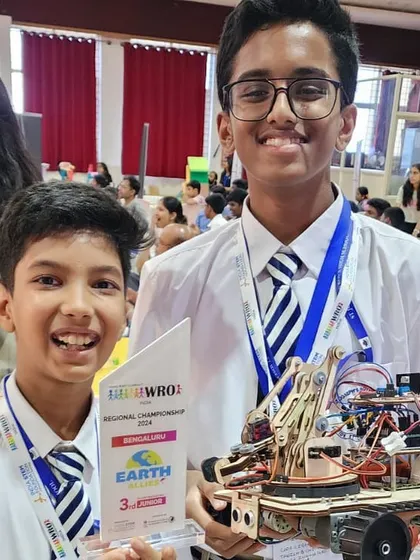
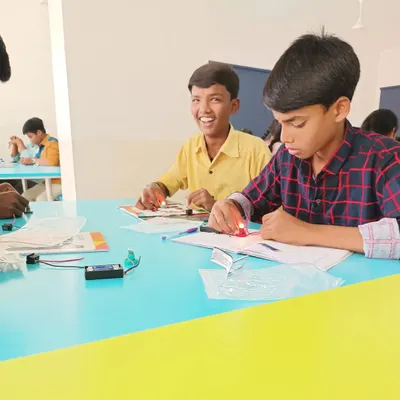
How we do it - No boring lectures. You build stuff—catapults, metal detectors, solar rovers, even a hydraulic crane. It’s all DIY science projects for kids.
Our Approach - One-on-one, always personal. We link experiments to school topics, but in our own fun way. Real world, not just theory.
For all age groups - Science Juniors (4-7), Science Squad (7-12), Tinkering Club (8-13). You build, you take home what you make.