Solo Bharatanatyam Recitals: Traditional Margam & Thematic Performances
Rooted in the traditional Bharatanatyam Margam, my solo recitals explore the nuances of rhythm and expressive storytelling. From intricate Jathiswaram to emotive Abhinaya, these performances are crafted for intimate gatherings and large-scale cultural festivals alike.
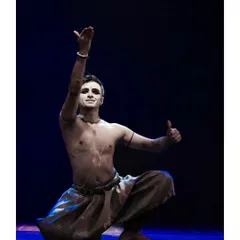
This photo captures a specific moment from the second jathi of a Reeti Gowlai varnam. A solo recital is a deep dive into the intricate rhythms and expressive storytelling of the traditional Bharatanatyam repertoire.
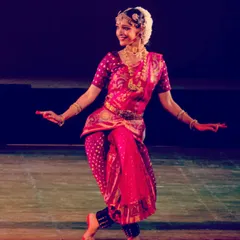
A photograph capturing the dynamic energy of a pure dance or 'nritta' sequence. The fan of the saree pleats is a classic visual element of a Bharatanatyam solo performance.
A short clip from my solo performance at the prestigious Uday Shankar Dance Festival. Presenting my own choreography on such a renowned stage was a true honor.
Performing at the India Habitat Centre for 'Soukariyam - The Aesthetic'. The traditional lamp, or 'diya', is an integral part of the stage setting, symbolizing the light of knowledge and art.
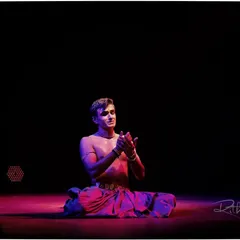
A moment of quiet introspection during my solo performance 'Pehchaan'. For me, dance is not just about movement; it is a sense of purpose and a way to explore the inseparable link between art and identity.
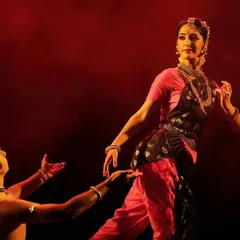
This image from 'Pehchaan' captures a moment of offering. The performance was an exploration of my identity as a dancer, grappling with the persona I present on stage.
A moment of devotion from a solo recital. The essence of Bharatanatyam lies in its ability to convey profound emotions and stories through subtle gestures and expressions.
Performing a traditional Varnam at the Delhi International Arts Festival. The live orchestra on stage, including vocals and mridangam, is essential for creating an immersive experience.
A photo from a very special performance, radiating the joy of being on stage. This was for my first solo recital with the ICCR under their Horizon Series.
A candid moment captured just before going on stage. I am one of those dancers who constantly revises choreography in my head, even if I have performed it a thousand times.
About Solo Recitals: The Classical Repertoire
For my solo recitals, technical preparation is non-negotiable. Whether you opt for a high-fidelity recorded Carnatic set or a four-piece live ensemble, I require a 45-minute sound check. This ensures that the Nattuvangam, Mridangam, and Violin frequencies are perfectly balanced before the audience settles in, keeping the focus entirely on the nuances of the Abhinaya.
My approach to the solo recital is deeply rooted in the traditional Margam—the classic sequence of Bharatanatyam items. I perform solo recitals that bridge the gap between historic technique and modern presentation, having graced stages ranging from the India Habitat Centre to the Brahma Gana Sabha in Chennai.
The Performance Format
I offer two distinct ways to present this repertoire:
- The Recorded Recital: Best for intimate settings or budget-conscious events. This features high-fidelity pre-recorded Carnatic tracks, allowing for a focused 20 to 30-minute performance that includes artist-led narration to contextualize each piece for the audience.
- The Grand Recital: An immersive experience featuring a four-piece live musical ensemble (Nattuvangam, Vocalist, Mridangam, and Violin/Flute). This 45 to 60-minute set allows for live improvisation and a deeper connection between the dancer and the musicians, ideal for formal cultural programmes.
Logistics and Aesthetics
Dance is a visual and auditory art, and the details matter. Each recital includes authentic Kanjeevaram silk costumes, professional Temple Jewelry, and classical stage makeup. If you are hosting an event in Delhi NCR, logistics for myself or the full ensemble are included in the package. For outstation performances, I travel extensively across India to bring these classical narratives to new audiences. Whether it is a traditional Varnam, a spirited Thillana, or a quiet, introspective piece, my goal is to ensure the beauty of the movement is matched by the technical clarity of the production.
Similar work from other experts
Browse through Curated picks from other experts on mytribe
 45
45Solo Bharatanatyam Recitals and Traditional Margam
 11
11
Solo Bharatanatyam Recitals
Solo Bharatanatyam Recitals: The Margam and Beyond
Solo Bharatanatyam Performances for Events
Solo Bharatanatyam Recitals: The Traditional Margam
 8
8
Bharatanatyam Solo Performances for Events
More from Bharatanatyam Performances by Tanya Saxena
More services by Tanya Saxena