Abandhana: Bringing Pāli Poetry to Bharatanatyam
I explore the resilience of elder Buddhist nuns through 'Abandhana,' a dance-theatre piece rooted in the 6th-century BCE Therīgāthā. This is where classical Bharatanatyam meets Pāli literature.
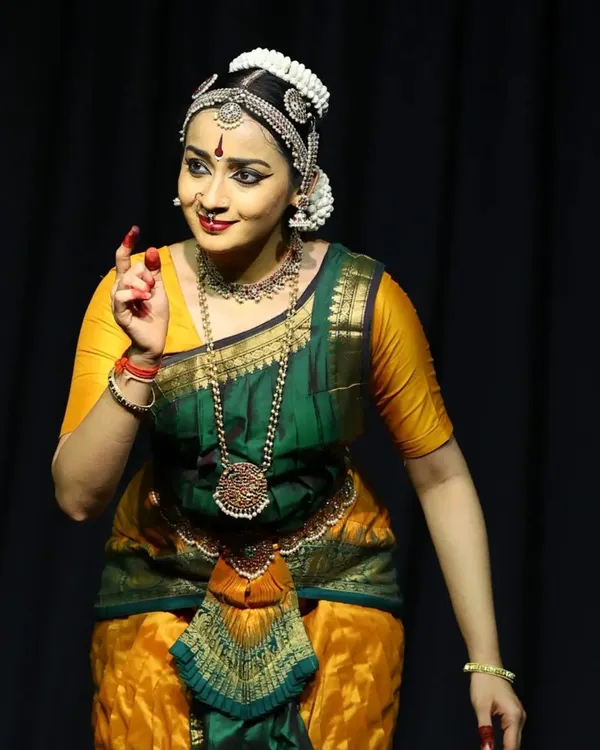
Glimpses from the studio R&D for "Abandhana." This dance-theatre-musical immersion into the Therīgāthā explores the heart-breaking honesty and beauty of the songs of elder Buddhist nuns.
One year since we premiered "Abandhana" at the Resolution Festival. This work-in-progress explores the earliest known anthology of women's literature, the Therīgāthā, from the 6th century BCE.
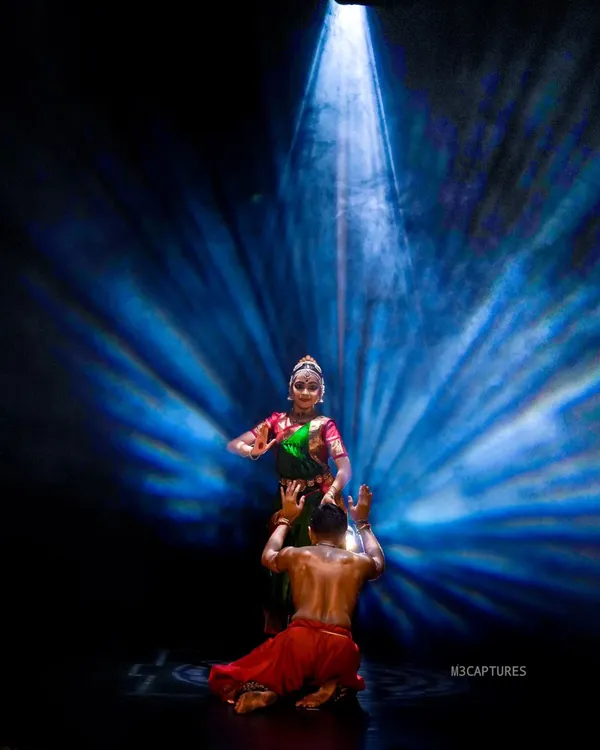
A powerful image from the premiere of "Abandhana," a piece that uses dance and music to explore the profound poetry of Buddhist nuns.
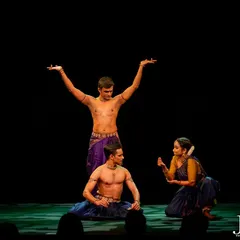
A moment of collaboration from "Abandhana," where the dancer and musicians physically interact on stage to tell the story.
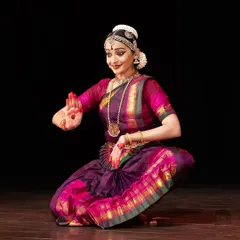
Another shot from the premiere of "Abandhana," a performance that I hope to scale up into a full-length work in the coming years.
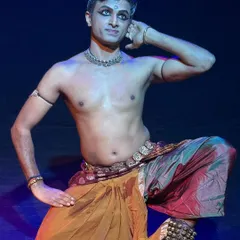
A look of defiance and strength from "Abandhana," a piece that delves into the struggles and resilience of women from the past.
"Why do you stand obstructing me?" This line from the Therīgāthā drew me into the elusive world of Pāli poetry and became the seed for "Abandhana."
This poem by Amrapali, a courtesan-turned-nun, describes the contrasting emotions of revelling in youth and accepting the fragility of age. It's a poignant and relevant piece that I explore in "Abandhana."
A video from the Soorya Parampara Festival, where I presented a piece from the Therīgāthā. This poem by Amrapali speaks about existentialism and the inevitability of aging.
In the 6th century BCE, Buddhist women navigated oppression and despair, and their experiences manifested as poetic outpourings. "Abandhana" is my attempt to give voice to their stories.
About Abandhana: Voices of Buddhist Nuns
Unlike a traditional Bharatanatyam recital, this production integrates a cello alongside classical Indian music to create a distinct soundscape. I work closely with my musicians during every performance because their physical interaction on stage is as vital to the narrative as the dance itself, grounding these 6th-century texts in a tangible, contemporary atmosphere.
Abandhana (Pāli for 'Unfettered') is the result of a long-term research project into the Therīgāthā, the earliest known anthology of women's literature. These verses were written by Buddhist nuns navigating the complexities of 6th-century BCE society, and I find their struggles—with trauma, identity, and resilience—remarkably relevant to our lives today.
The Artistic Process
Creating this work required moving beyond standard Bharatanatyam frameworks. I collaborated with Pāli scholars to understand the nuances of the original texts before translating them into movement. The music, featuring vocals, percussion, and cello, is composed to emphasize the emotional weight of the poems rather than just the rhythmic structure. The musicians are not background accompaniment; they are active participants in the storytelling.
Performance & Scale
I premiered 'Abandhana' at the Resolution Festival at The Place, London. Since then, the work has been evolving. I design these performances to be intimate, often working in smaller venues or unconventional spaces where the audience can engage directly with the expressions and the poetry. My goal for 2025 and 2026 is to scale this into a full-length production, expanding on the lighting design and theatrical elements that define the piece. If you are looking for a performance that blends traditional technique with deep literary exploration, this work is designed to start a conversation.
Similar work from other experts
Browse through Curated picks from other experts on mytribe
Thematic Bharatanatyam Solo Productions
Thematic Bharatanatyam Group Productions
 63
63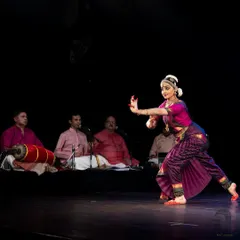
The World of the Nayika: Bharatanatyam Recitals
 10
10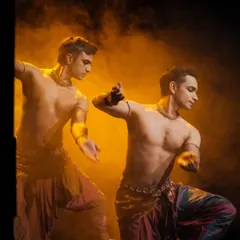
Authentic Bharatanatyam Performances and Theatrical Productions
 5
5
Learn Rare Bharatanatyam Compositions from the Jamuna Krishnan Legacy
 13
13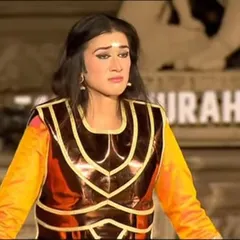
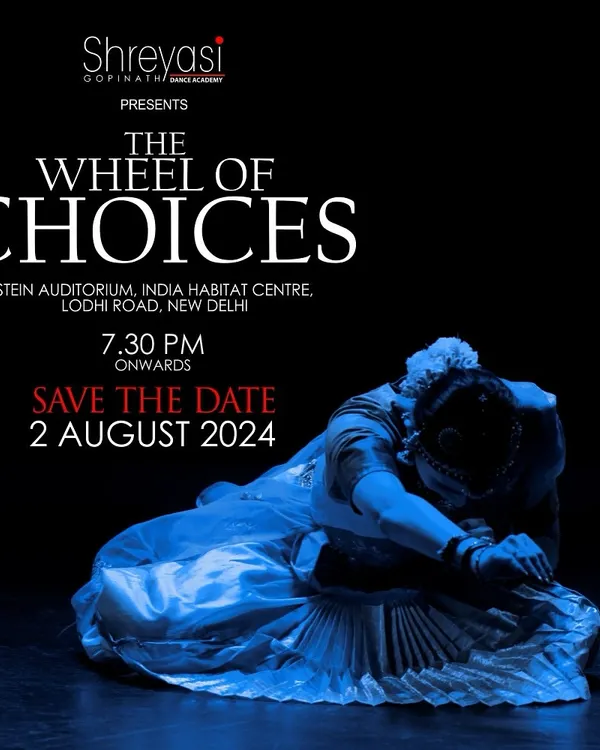
The Wheel of Choices: Epic Bharatanatyam Dance Drama
More from Bharatanatyam Dance Performances by Divya Ravi
More services by Divya Ravi