Waste Segregation: The First Step to Responsible Living
Before you compost, you must segregate. It is the single most important habit for managing waste responsibly in any urban home. We make this simple with clear, actionable guidance.
The goal is to send as little as possible to the landfill. This starts with segregating your waste into different streams: wet waste for composting, and dry waste for recycling.
What do you do with your dry waste? This video explains the importance of recycling and shows how our sorting bags can help you keep paper, plastic, metal, and glass separate for local recyclers.
A humorous take on a serious topic. This video reminds us to use the right bins for the right waste: composters for wet waste and recycling bags for dry waste.
A well-organized waste segregation station in an apartment building. Clear labeling and designated bins for paper, rejects, and food waste make it easy for everyone to participate correctly.
This image shows the basic setup for waste segregation. If you don't segregate, you create landfills. It's that simple.
We put up segregation posters in and around communities to serve as a constant, clear reminder of how to separate waste correctly.
Your waste is someone's treasure. Dry recyclables like paper, plastic, and metal are valuable resources for waste pickers and the recycling industry.
Don't forget about sanitary waste. This category of waste needs to be collected separately and daily to be sent for safe disposal through incineration.
Setting up a medicine drop box in your community is a great way to ensure that expired or excess medicines are disposed of safely and don't end up in landfills.
Items like tubelights and bulbs are fragile and contain hazardous materials. They must be collected carefully to prevent breakage and sent to a proper e-waste recycler.
About The First Step: Waste Segregation
The biggest mistake most of us make is treating all waste as garbage. When you start, do not overcomplicate it. Separate your organic kitchen scraps from everything else. This one action prevents your trash from rotting in a landfill, turning what you would call kachra into a resource.
Most of the trash leaving your home should never reach a dump site. When you throw everything in one bag, organic waste mixes with recyclables, making them impossible to clean and recover. Here is how to break it down.
The Four Categories
- Wet Waste (Kitchen scraps): Fruit peels, vegetable leftovers, and cooked food. This goes into your home composter.
- Dry Waste (Recyclables): Paper, plastic, metal, and glass. Keep these clean, dry, and separate to give to your local kabadiwala or recycling unit.
- Sanitary Waste: Diapers and menstrual products. These must be wrapped properly and marked, as they require specialized incineration.
- Hazardous Waste: Medicines, batteries, and bulbs. These are fragile or toxic and need separate, safe disposal channels.
Practical Tips for Your Home
Do not try to be perfect on day one. Start by keeping a separate bin for wet waste. Use a simple sorting bag for dry waste. Label your bins so family members and household help know exactly what goes where. We often see that once you start, the process becomes second nature. It is not about being a climate warrior overnight. It is about taking charge of the waste you produce. If you need help setting up a system for your apartment complex, we provide audits and training for your housekeeping staff to ensure the process actually works.
Similar work from other experts
Browse through Curated picks from other experts on mytribe
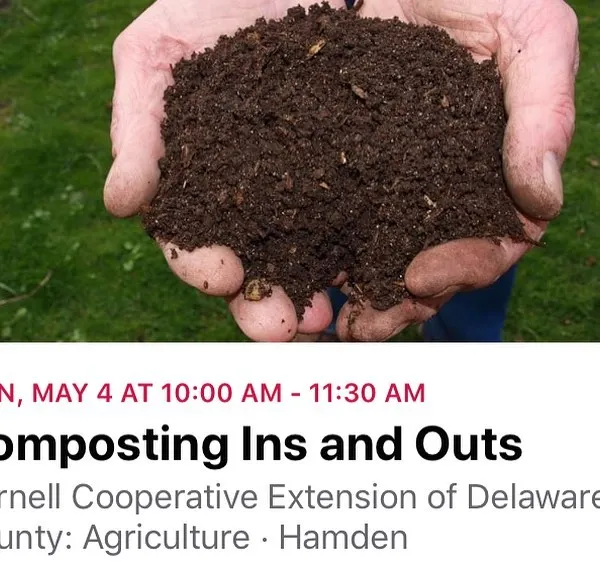
Start Your First Compost Batch: A Simple Guide
Turn Your Kitchen Waste Into Black Gold: Home Composting Guide
 8
8
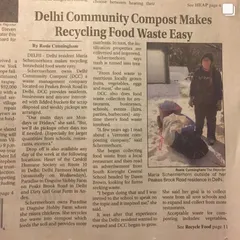
Practical Composting Workshops & Real-World Advice
Composting & Bio-Enzyme Workshops in Gurgaon
 8
8

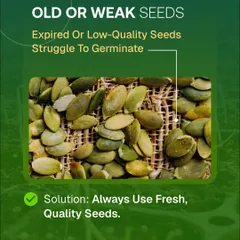
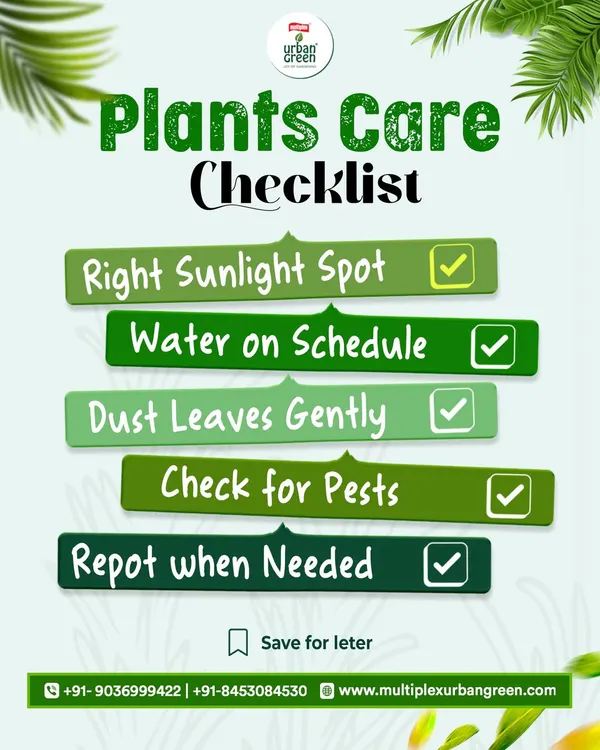
Gardening for Beginners: Simple Steps to Grow Your Own Food

Getting Started: Soil, Seeds & Planting for Beginners
More from Composting Workshops & Training by Daily Dump
More services by Daily Dump