Harvesting and Using Your 'Black Gold'
You have done the hard work, now for the best part—harvesting your nutrient-rich compost. Here is how to identify when it is ready and how to use it to feed your garden or neighborhood trees.
This is the reward for your efforts: rich, dark, crumbly compost. We call it 'black gold' because it is one of the most valuable things you can give back to the soil, completing the natural cycle.
How do you know when your compost is ready to harvest? This video shows you what to look for and how to sieve your compost to separate finished material from larger pieces that need more time.
So you've made your first batch of compost. What now? We share ideas on what to do with it, from feeding your own plants to becoming a 'compost fairy' for your neighborhood trees.
Many people think they need a garden to start composting, but that's not true. You can always give your finished compost to the trees in your neighborhood. Don't throw waste out, throw compost out.
Our cities are starving for nutrition. Instead of letting trees be surrounded by concrete, we can feed them with our homemade compost, helping create healthier, greener urban spaces.
Having a steady supply of homemade compost will nudge you to start growing your own food. It's the final step in truly embracing a circular lifestyle, from your kitchen back to your plate.
Here are some fun and useful ways to use your extra compost. You can gift it to friends, donate it to a local nursery, or simply sprinkle it around trees when you go for a walk.
Composting at home is very easy, and the result is this beautiful, nutrient-rich soil amendment. This image captures the texture and quality of freshly harvested 'black gold'.
About The Finished Product: Using Your 'Black Gold'
Don't worry if your compost isn't perfectly fine the first time you sieve it. Those larger bits, like mango seeds or lemon peels, aren't failures—they are just materials that need a bit more time. Simply pop them back into your composter with your next batch of kitchen scraps, and they will break down eventually. It is a continuous, natural cycle, not a factory process, so keep it simple.
Knowing When to Harvest
Your compost is ready when it looks dark, crumbly, and smells earthy—like wet soil after the first rain. If you see big chunks that haven't broken down, that is perfectly normal. Just use a simple sieve to separate the fine, finished compost from the larger pieces. Put those chunks back into the composter with your fresh waste; they will act as an 'activator' to kickstart the next batch.
Why We Call It Black Gold
We call it 'black gold' because it is essentially recycled nutrition. By keeping organic waste out of landfills, you are not just managing trash; you are creating a resource that our soil is starving for. Whether you live in a high-rise or a bungalow, this homemade fertilizer is free, effective, and infinitely better for your plants than chemical alternatives.
No Garden? No Problem
Many people think they cannot compost because they don't have a kitchen garden. That is a myth. Even if you have zero plants at home, you can still be a 'compost fairy'. Take your excess compost and sprinkle it around the base of trees in your neighborhood or community park. Our cities are filled with concrete, and our trees are often suffocated. A handful of compost is the best gift you can give them. You can also gift it to friends, neighbors, or local plant nurseries. When you close the loop from kitchen to soil, you are truly part of the solution.
Similar work from other experts
Browse through Curated picks from other experts on mytribe
Harvesting Your Home Compost: A Guide to Black Gold
Turn Your Kitchen Waste Into Black Gold: Home Composting Guide
 18
18
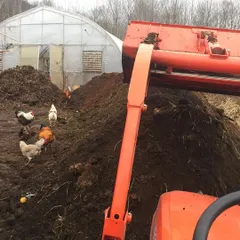
Composting with Chickens: Turn Kitchen Scraps into Garden Gold
Soil, Compost, and Fertilizers for Terrace Gardens
Organic Gardening Tips: Sustainable Care for Your Green Space
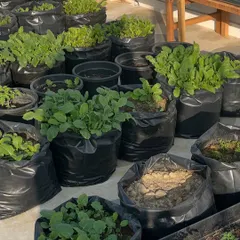
Bountiful Harvests: Fresh Organic Veggies From Your Terrace
More from Composting Workshops & Training by Daily Dump
More services by Daily Dump