High-Performance Hospital Façades
We design building envelopes that serve clinical outcomes. By integrating solar passive principles, high-performance glazing, and adaptive screening, we balance aesthetic identity with environmental efficiency.
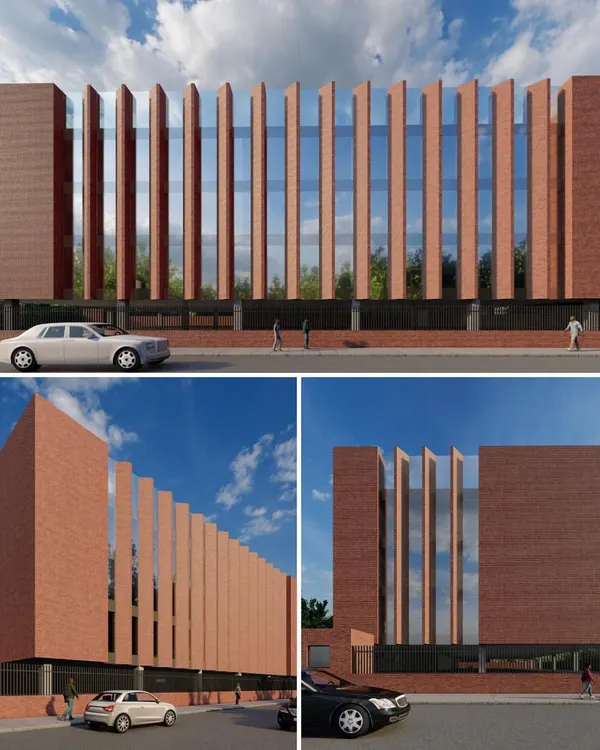
How do design and materiality balance aesthetics and sustainability? This image of the SPS Hospital Medcentre facade shows our approach, using dynamic, vertical elements to create a visually interesting screen that also provides solar shading.
High-performance facades ensure thermal balance and save energy. This detail shot of a hospital facade highlights the use of advanced glazing and structural overhangs to control heat gain while allowing for expansive views.
Optimized natural light fosters healing and enhances recovery. The extensive use of glass in this hospital entrance facade allows daylight to penetrate deep into the lobby, creating a bright and welcoming atmosphere.
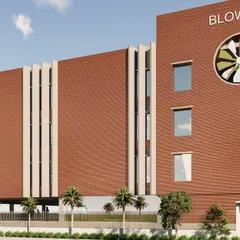
The facade of the SPS Hospital Clinic in Ludhiana is a prototype for outpatient facilities, designed for brand consistency and replicability. Its vibrant, multi-layered screen combines environmental performance with a distinctive architectural identity suited to the local climate.
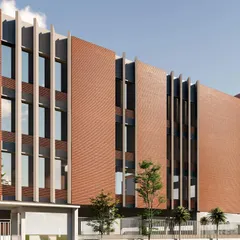
A closer look at the facade of the SPS Hospital Clinic. The design is meticulously crafted to invite ample natural light while preventing excessive heat, fostering a bright and inviting interior ambience.
The play of light and shadow in the corridor behind the SPS Hospital Clinic's facade. The perforated screen filters sunlight, creating a dynamic visual experience while maintaining a comfortable interior environment.
This corridor at the SPS Hospital Medcentre demonstrates the functional benefit of its facade. The design floods the space with natural light, reducing the need for artificial lighting and creating a warm, healing space.
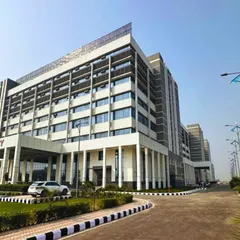
The facade of Fortis Hospital is designed based on solar passive principles. The northern facade features a higher window-to-wall ratio, maximizing natural light and minimizing the hospital's carbon footprint.
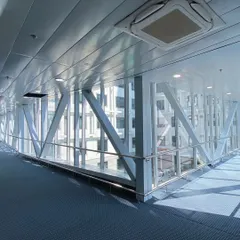
The waiting area at Fortis Hospital benefits from high-performance glazing that minimizes heat gain. This allows for large windows that provide views and light without compromising thermal comfort or increasing HVAC load.
The fenestration design at Paras Yash Kothari Hospital is critical to its energy performance. The south and west facades use insulated glass units to reduce heat gain, ensuring patient comfort in this adaptive reuse project.
About High-Performance Facades: Blending Aesthetics and Sustainability
Consider the perforated screen design at our SPS Hospital Clinic project. Rather than serving as a purely aesthetic addition, this screen functions as a dynamic environmental filter, diffusing harsh sunlight to eliminate interior glare while maintaining visual connectivity for patients and staff. This specific intervention significantly reduces the internal cooling load, demonstrating how a facade can directly improve operational efficiency and patient comfort.
The hospital facade is a critical interface between the clinical environment and the external climate. At CDA, we treat the building envelope as a primary system for enhancing hospital performance.
Balancing Thermal Performance and Natural Light
Optimal healthcare design relies on the controlled introduction of natural light. Through solar passive design principles, we align our facade geometry with the building’s orientation. By increasing window-to-wall ratios on northern elevations while utilizing high-performance, insulated glass units on southern and western faces, we effectively manage solar heat gain. This strategic approach minimizes the reliance on artificial lighting and lowers the demand on HVAC systems, reducing long-term operational costs.
Evidence-Based Materiality
Our approach is grounded in data. We select materials based on their thermal resistance, durability, and ability to contribute to a low-carbon footprint. Whether using perforated metal screens to break down large building masses or applying modular facade systems, our design decisions are intended to provide visual comfort. These elements reduce the anxiety associated with clinical environments, contributing to the neuro-aesthetic principles that guide our work.
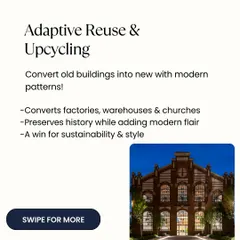
Adaptive Reuse and Modernization
For existing facilities, we approach facade renovation as a means of modernization. By retrofitting outdated structures with contemporary, high-efficiency envelopes, we extend the lifecycle of the building while improving its energy profile. This process allows us to upgrade a facility's appearance and performance without the resource-intensive requirements of new construction.
Similar work from other experts
Browse through Curated picks from other experts on mytribe
 18
Climate-Responsive & Sustainable Facades
 8
Climate-Responsive and Sustainable Architecture
 24
Climate-Responsive & Biophilic Workplace Design
 8
Biophilic Architecture: Integrating Light, Air, and Nature
 15
Healthcare Architecture and Hospital Design Services
 7
Sustainable Architectural Design for Modern Homes
More from Sustainable Architecture by Creative Designer Architects
More services by Creative Designer Architects