Coordinated Couple Styling for Weddings and Events
When you want your outfits to tell a single story rather than two separate ones. I style couples by focusing on visual harmony, creating a connection that looks natural and refined in photos.
For their first Diwali, I designed these coordinated white and gold outfits for Tharun Sudhir and Sonal Monteiro. Her saree blouse and his kurta both feature the same custom hand-painted gold motif, creating a look that is connected and elegant.
A beautiful anniversary shoot with Tharun and Sonal. I designed their outfits in a matching deep wine color. His kurta features intricate gold embroidery around the neckline, which complements the subtle gold work on her elegant saree.
This was for a special Diwali feature in Bangalore Times. The all-white theme with gold accents created a serene and festive look for the couple's first celebration after their wedding.
A sweet, candid moment between Tharun and Sonal. The coordinated wine-colored outfits look so rich and beautiful against the red velvet backdrop.
Another lovely shot from the anniversary photoshoot. It shows how their complementary outfits create a picture-perfect, harmonious look.
A full-length view of the coordinated anniversary outfits. Styling couples is about creating a visual connection between their looks, and this was a perfect example.
A romantic shot from the Bangalore Times Diwali shoot. The gold embroidery on his kurta shoulder subtly echoes the gold border and blouse of her saree.
The hand-painted gold motifs on their outfits were designed to be similar but not identical, giving each piece its own individuality while still feeling connected.
The festive glow of Diwali. It was a pleasure to create these special, coordinated outfits for such a memorable occasion for them.
A close-up of the coordinated Diwali look. You can see the matching embroidery on her blouse sleeve and his kurta shoulder, tying the two outfits together beautifully.
About Coordinated Couple Styling
Matching does not mean wearing the exact same thing. For the couples I work with, I prefer using subtle common threads, like repeating a specific hand-painted motif from the saree blouse on the kurta shoulder, or using complementary color palettes that look right in photos, rather than identical, loud prints. This creates a connection between the outfits that is visible but not forced.
Styling for two people requires a balance that goes beyond just picking colors that look good together. My approach is to sit with both individuals to understand their personal comfort and style. If one person prefers heavy traditional embroidery and the other wants a clean, minimal look, my job is to find the middle ground where those two distinct tastes meet harmoniously.
The Process of Visual Harmony
When I work on a couple's look, I look at the event context first. A Diwali shoot requires a different energy than a formal anniversary party. For festive occasions, I often use the same fabric base—like raw silk or cotton—for both the saree and the kurta, which immediately ties the two pieces together before we even add embroidery.
Technical Details
I focus on the details that catch the eye in photographs. For instance, if I am designing a blouse for a saree, I will take elements from that design—perhaps the placement of Zardosi work or a specific floral motif—and integrate them into the men's kurta collar or cuff. This is not about copying; it is about creating a dialogue between the garments. We ensure the fit of the kurta complements the drape of the saree, so the silhouette feels balanced.
Why Two Trials Matter
I require a minimum of two studio trials for couple styling. This is crucial because your clothes need to interact well when you are standing next to each other. During these trials, I check how the textures clash or complement under different lighting and ensure that the hem lengths and sleeve volumes do not overwhelm the overall frame. By the time you step out for your event, the outfits should feel like a seamless part of your personality, not just a costume.
Similar work from other experts
Browse through Curated picks from other experts on mytribe
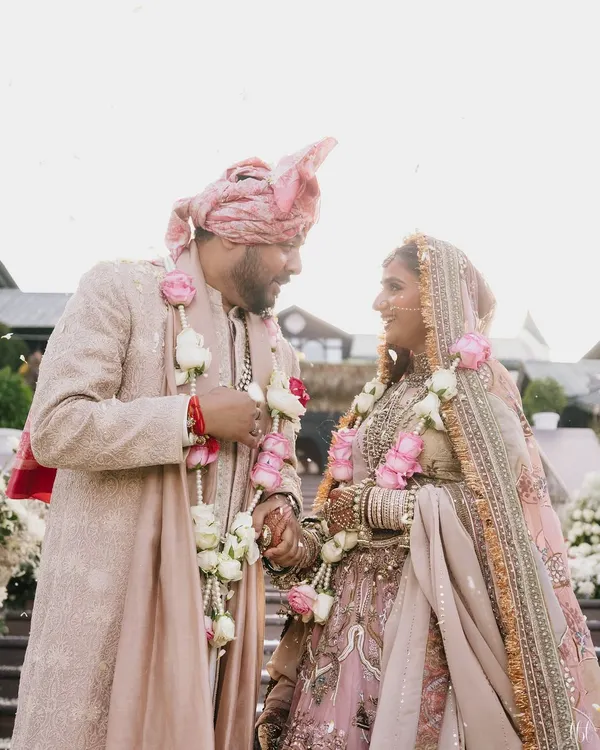 16
16
Coordinated Couple Wedding Styles for a Harmonious Look
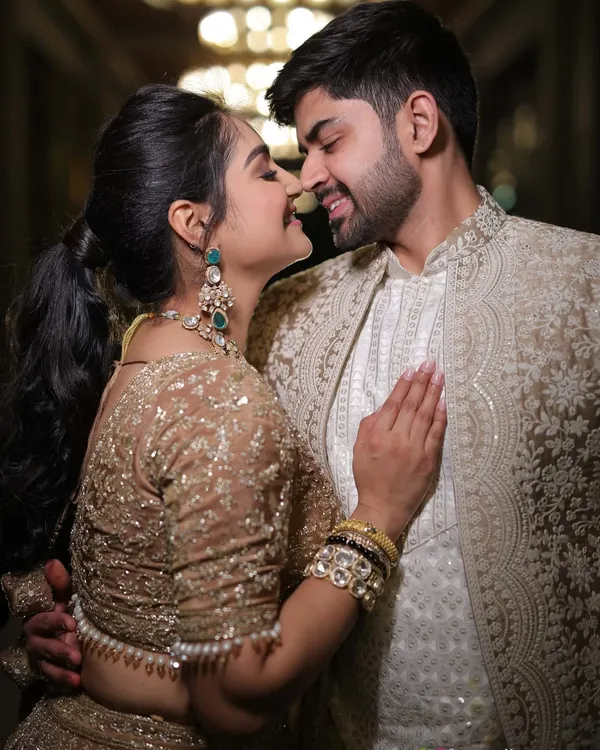 13
13
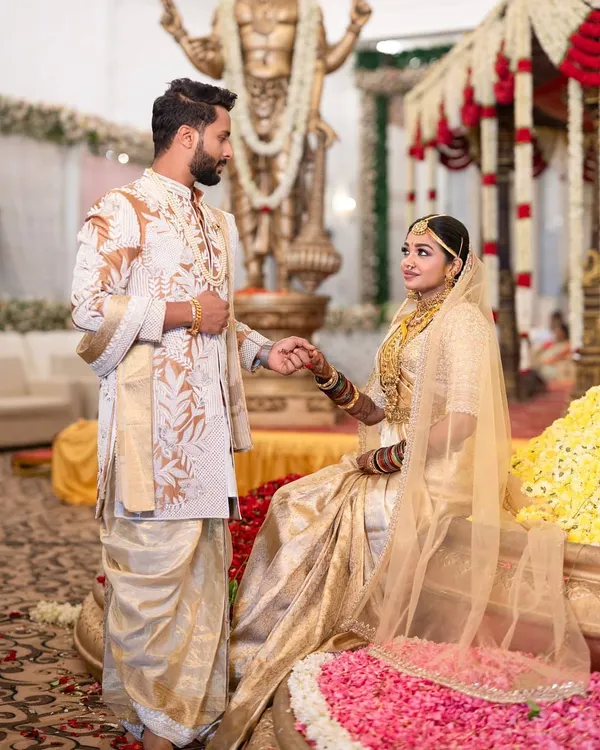
Coordinated Couple Looks for Wedding Events
 12
12
Harmonious Wedding Looks for Couples
 16
16
Perfectly Paired: Custom Coordinated Couple Outfits
Coordinated Couple and Family Styling in Bangalore
 103
103
Styled in Harmony: Modern Couple Coordination
More from Celebrity & Film Styling by Arulaa by Rashmi Anoop Rao
More services by Arulaa by Rashmi Anoop Rao