Innovative Shipping Container Architecture & Design
Turning raw steel cargo containers into modern, functional spaces. From structural steel reinforcement to thermal-proof interiors, I manage the transformation of industrial boxes into offices, studios, and homes.
The journey begins. A 40-foot shipping container arrives on a truck at night, ready to be repurposed into a key component of a new architectural project.
A crane carefully lifts the raw shipping container, positioning it for placement on the project site. This is the first step in giving the industrial object a new life.
The container is precisely lowered into place, marking the foundational moment of the structure. This process requires careful planning and execution.
Another container being maneuvered by a crane at night. My container projects often involve complex logistics to assemble the basic building blocks.
Two containers stacked, forming a multi-story structure. This black and white shot highlights the raw, geometric beauty of the corrugated steel before modification.
The initial cuts for windows and doors are made in the container walls. This is where the transformation from a sealed box to a habitable space truly starts.
A view of the container with openings cut out and the beginnings of a roof structure. The original "WE CARRY" text is still visible, hinting at its past life.
Workers begin fabricating the framework on top of the stacked containers. This black and white photo captures the hands-on process of building a custom structure.
The addition of a metal frame for a sloping roof and an extended upper level. This shows how I augment the basic container form to create more complex architectural shapes.
A worker installs the metal roof framing on the container-based structure. This image captures the blend of prefabricated elements and on-site fabrication.
About Innovative Container Architecture
Container architecture requires precision in structural steel reinforcement and high-density insulation to turn steel shells into comfortable, livable environments. Before we cut any metal, I model the entire layout in 3D to optimize natural light, plan electrical routing, and ensure the space feels open rather than confined.
The Conversion Process
Turning an industrial cargo container into a habitable space is an engineering challenge. The process starts with sourcing seaworthy 20ft or 40ft High Cube containers. We begin with rust treatment and epoxy priming to ensure the shell lasts. Each cut made for doors or windows requires additional steel framing to maintain the structural integrity of the container box.
Climate Control and Comfort
The biggest myth about container homes is that they are uncomfortable. When done correctly, they are highly efficient. I use high-density Rockwool or PUF panel insulation on walls and ceilings to combat the heat conductivity of the steel. This keeps the interior temperate, whether it is a site office or a modern hillside cabin.
From Industrial to Modern
Interior framing with gypsum board or ply boarding completely hides the corrugated steel walls, giving you a smooth, clean surface for paint or wallpaper. We add modern architectural elements like:
- Cantilevered Decks: Extending the usable floor space beyond the container footprint.
- Floor-to-Ceiling Glass: Integrating fixed glass panels to bring in natural light.
- Concealed Utilities: Running electrical wiring and compact plumbing within the walls to keep the aesthetic clean.
Whether you need a compact dwelling or a professional workspace, I treat the container as a blank canvas subject to specific structural rules. My approach ensures that the final result feels less like a metal box and more like a permanent, well-designed building.
Similar work from other experts
Browse through Curated picks from other experts on mytribe
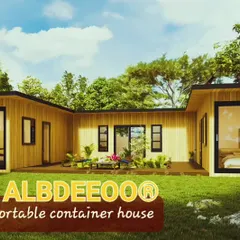
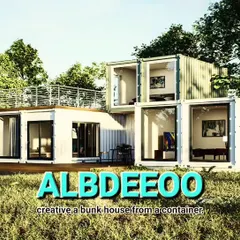
Modern Prefab Design Concepts and Modular Layouts
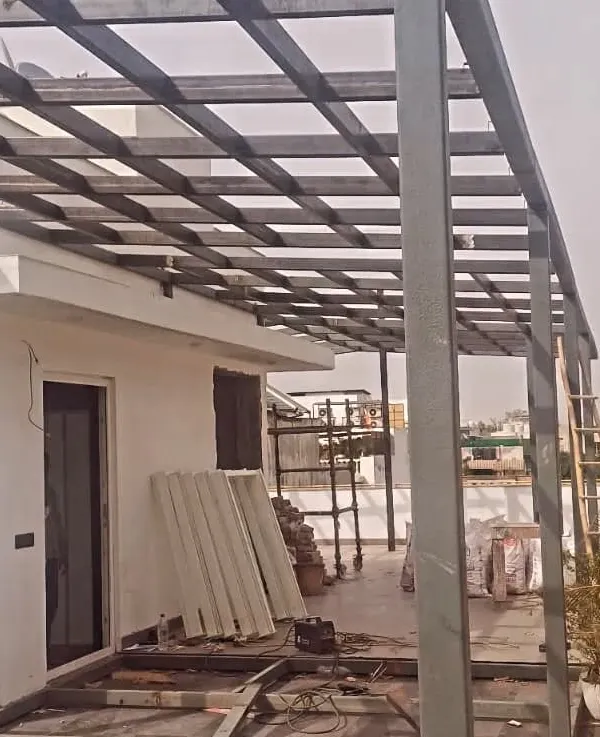
Our Best Portable Cabin Projects
 5
5

Sustainable & Modern Prefabricated Construction
Custom Prefab Cabins and Modular Structures
 11
11
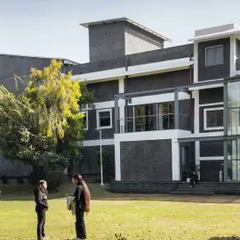
Architectural and Adaptive Reuse Projects
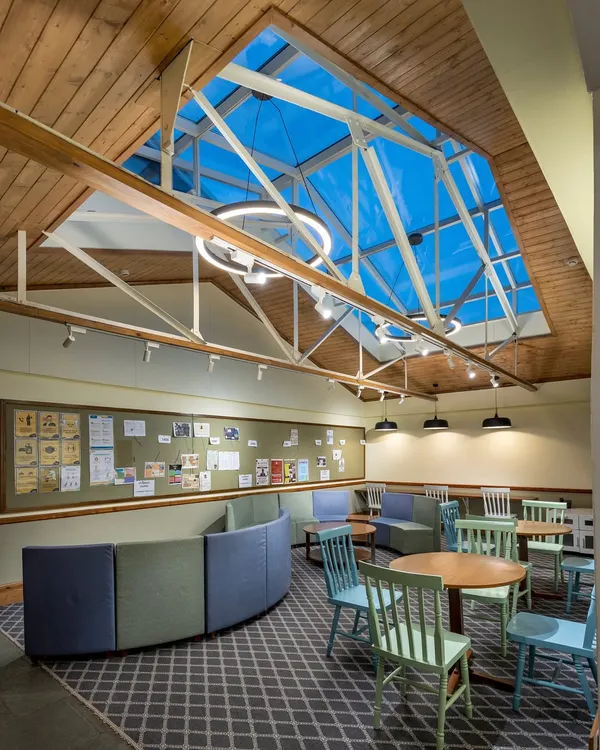 11
11
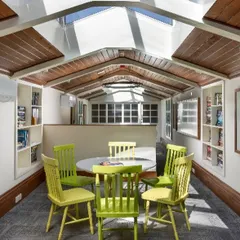
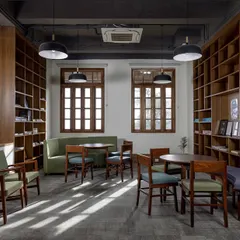
Adaptive Reuse Architecture and Heritage Retrofitting
More from Architectural Design & Construction by Sumeet Malik Architects
More services by Sumeet Malik Architects