Gross Motor Skills Activities for Kids
Movement is the language of childhood. These simple, screen-free games turn your living room into an active zone to build your child's balance, coordination, and core strength using everyday household items.
This plank exercise is more than just a game; it's a core strengthening activity that builds muscle and improves posture. Turning it into a challenge to strip items makes fitness fun for kids.
A strong core is the foundation for so many physical skills. This simple exercise, passing a ball between the feet and hands, is a playful way for siblings or a parent and child to build abdominal strength together.
These physical fitness activities, like book balancing and chair exercises, are perfect for toddlers. They help develop gross motor skills, balance, and body awareness in a playful, non-competitive way.
This left and right jumping game is a fantastic gross motor activity that gets kids moving. It helps with body awareness, coordination, and learning directional concepts in an active, energetic way.
This balancing game, where a child picks up items with their feet, is a fun challenge for improving balance, coordination, and focus. It's a great way to build core and leg strength.
The "Sleeping Catcher" is a hilarious indoor game that develops gross motor skills and teamwork. It requires the catcher to use their core strength and coordination to catch balls dropped by their partner.
This "Blow the Cup" race is a fun breath control activity that also works on core muscles as kids crawl and move. It's a simple, competitive game that enhances oral motor skills and physical endurance.
Push-ups can be fun. By placing balls under their chest, kids are motivated to push up to release them. This game builds upper body strength, core stability, and confidence.
About Active Bodies, Happy Kids (Gross Motor Skills)
You don't need expensive gym equipment to get your toddler moving. A simple roll of tape on the floor or a few plastic cups are enough to start. The trick is to keep it playful—if your child does a 'tappu' (makes a mistake) or wobbles, that is exactly where the real learning happens. I suggest joining in on these moves; modeling the activity is the best way to get them excited.
Gross motor skills are about more than just keeping kids busy. These movements—jumping, balancing, reaching, and crawling—are the building blocks for physical stability and cognitive focus. When a child learns to balance a book on their head or hold a plank to release a ball, they are simultaneously developing the muscle tone required for sitting upright in a chair for school or controlling a pencil for writing later on.
Why These Activities Work
My approach avoids rigid exercises. Instead, we use game-based movement. For example, 'The Sleeping Catcher' isn't just about fun; it demands core engagement and spatial awareness. By turning a 'push-up' into a treasure hunt where they have to clear obstacles, we remove the pressure of performance. The focus remains entirely on the process of trying, not the perfection of the form.
Setting Up at Home
You do not need a studio or a playground to support your child’s physical development. Most of these activities use recyclables like cardboard, empty bottles, or plastic cups. If you are starting, pick one activity from this gallery and do it for five minutes a day. Consistency is the secret sauce here.
Addressing Common Concerns
- 'What if they don't want to do it?': Never force it. If they aren't interested today, try a different time or a different activity.
- 'Is it too hard?': Adjust the challenge. If balancing is tricky, offer a hand for support. The goal is building confidence, not achieving perfect form immediately.
Remember, your child is learning to trust their body. Every fall is just an opportunity to get back up and try again. That resilience is a skill they will carry long after they outgrow these games.
Similar work from other experts
Browse through Curated picks from other experts on mytribe
Gross Motor, Balance & Core Strength Therapy
Action-Packed Obstacle Courses & Games for Kids
Building Motor Skills Through Play
Fun & Games: Playful Fitness for Kids
Simple Montessori Activities to Try at Home
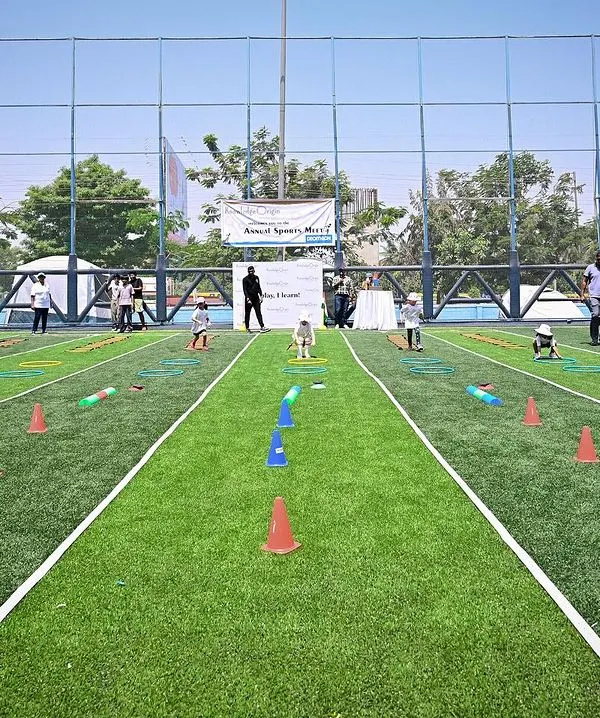 15
15
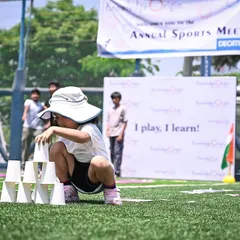
Active Learning Through Movement and Sports
More from Early Learning & Development Activities by Sarvani Adabala
More services by Sarvani Adabala