Early Learning Activities and Parenting Guidance
Simple, play-based activities to help your child learn and grow without the stress of perfection. Here is a look at my approach to early childhood development.
This simple air pressure experiment is a perfect example of how I make science feel like magic. It's a screen-free activity that creates a "wow" moment, sparking genuine curiosity and a love for learning in your child.
Strong little fingers are essential for writing, and these five easy hand exercises are a fun way to build those fine motor skills. This is a great bonding activity you can do with your child anywhere, anytime.
I believe in making learning concrete, especially for abstract concepts like math. This DIY subtraction board is a hands-on tool that turns a potentially tricky subject into a fun, understandable game.
Learning numbers doesn't have to be a sit-down activity. With this number jumping game, we combine gross motor movement with number recognition, making learning active, energetic, and much more memorable.
Crafting doesn't need to be complicated or expensive. With just a tissue paper, we created these adorable little bunnies, proving that simple materials can spark immense creativity and provide a wonderful sensory experience.
This bilateral coordination game is a fantastic brain gym exercise. It helps your child use both sides of their brain together, which is crucial for developing skills like reading, writing, and problem-solving.
This is one of my core beliefs: play is the real work of childhood. Pushing early academics can cause stress, while play-based learning naturally builds the cognitive, social, and emotional skills kids need to thrive.
I was incredibly honored and proud to see my work with PROBABY featured on a billboard in New York's Times Square. This recognition fuels my passion for helping parents and children on their early learning journey.
About Featured
My approach is simple: use what you have at home. Whether it is a balloon for a science experiment or some cardboard for a math game, these activities are meant to be messy and imperfect. I encourage children to make mistakes—or tappu—because that is where the real learning happens. You do not need expensive gear to build fine motor skills or teach math; you just need to turn screen time into intentional play time.
When you look at the activities here—like the balloon air pressure experiment or the number jumping games—do not look for a flawless performance. Look for the engagement. My method focuses on three key areas:
Building Foundational Skills
Everything I share, from sticker-peeling to coordinate-matching, is designed to strengthen specific development areas. Strong fingers lead to better pencil control, and bilateral coordination exercises help with reading and writing down the line. I break these down into bite-sized actions that you can fit into your daily routine.
Making Concepts Concrete
Children learn best when they can touch and move. Instead of flashcards or rigid drills, I use clay, household recyclables, and simple movement games to teach math and science. By the time a child jumps on a number card, they have internalized the concept of counting in a way a workbook cannot teach.
A Growth Mindset Approach
My goal as a parenting coach is to lower the stress of early academics. If a child messes up a subtraction problem or drops the balloon, we celebrate the attempt. This is how we build confidence. My 14-day mentorship programs and 1:1 consultations are built on this same foundation: providing you with a roadmap to navigate tantrums, boost attention spans, and replace screen time with quality, screen-free bonding moments. You are already doing a great job, and I am here to help you make it a little easier.
Similar work from other experts
Browse through Curated picks from other experts on mytribe
Play-Based Learning and Creative Workshops for Kids
 8
8
Hands-on Play-Based Learning Camps
 8
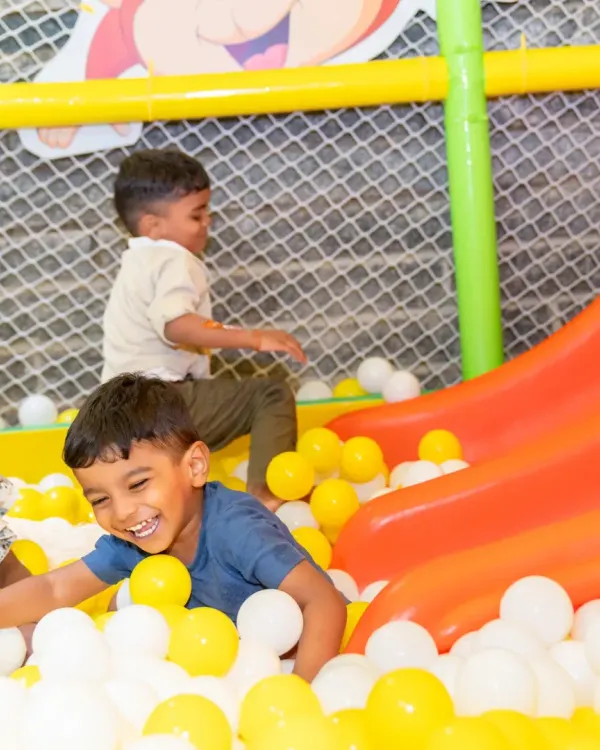
8A joyful, play-based space for your child
Our Favorite Learning Through Play Highlights
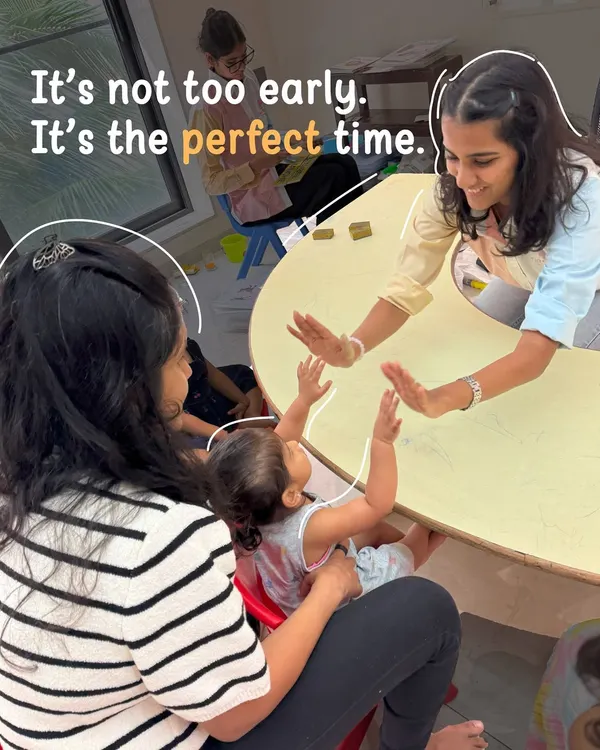 8
8
Nurturing Your Child’s Potential Through Play
Our Kindergarten Teaching Methods & Activities
More from Early Learning & Development Activities by Sarvani Adabala
More services by Sarvani Adabala