Wet Plate Collodion Portraits
Handcrafted 19th-century ambrotypes on glass. A physical photographic artifact that cannot be digitally replicated.
A portrait of Mashal, created using the 19th-century wet plate collodion process. This technique produces a one-of-a-kind ambrotype on a 4x6 inch glass plate, characterized by its monochrome tones and unique imperfections that are part of the analogue art form.
About Wet Plate Collodion Portraits
The process requires the sitter to hold a pose for several seconds due to long exposure times. This 3-hour session is a live chemical crafting experience, where the image is developed on glass right in front of you.
Wet plate collodion is an 1850s photographic technique that results in an ambrotype on glass. Unlike digital photography, there is no negative. The plate you receive is the original image, containing chemical markings and unique imperfections that define its physical character.
Because this process relies on long exposure times, the resulting portraits possess a depth and stillness that modern cameras cannot replicate. Each 3-hour session involves mixing chemicals, sensitizing the glass plate, and developing it on-site. We shoot 2 to 3 plates to ensure one perfect hero image.
You walk away with a permanent physical artifact, plus a high-resolution drum scan for your digital use. This is photography as an object rather than a data file. It is a slow, intentional process, perfect for those seeking a legacy piece rather than a disposable digital image.
Similar work from other experts
Browse through Curated picks from other experts on mytribe
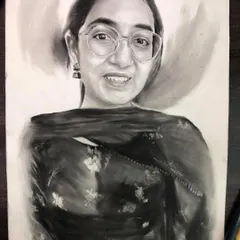
Realistic Charcoal and Dry Brush Portraits
 5
5
Realistic Graphite Portraits
 41
41
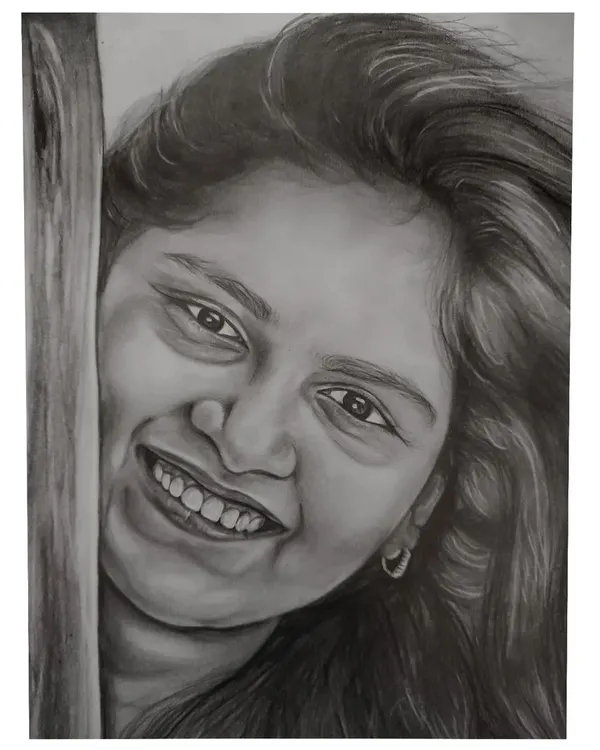
Handmade Graphite and Charcoal Portrait Sketches
 7
7
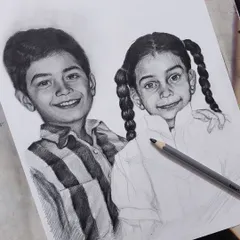
Hand-Drawn Graphite Portraits
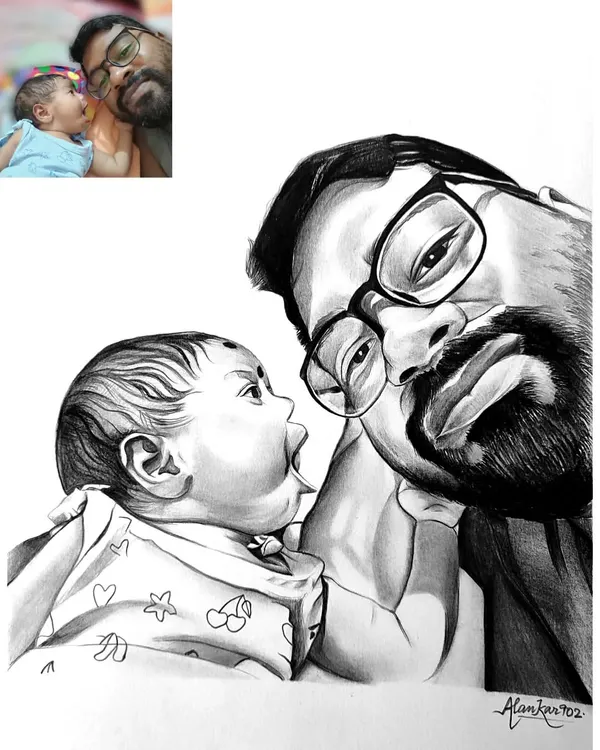 30
30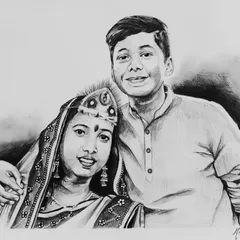
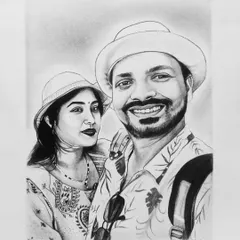
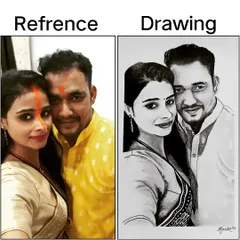
Classic Black & White Pencil Sketches
 4
4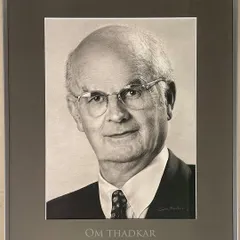
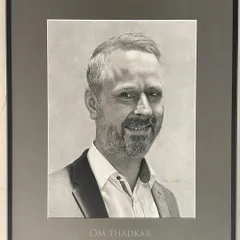
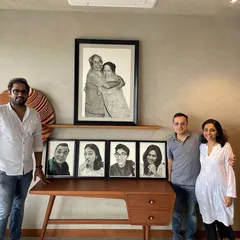
Personal Charcoal Portraits for Your Family
More from Analogue & Historical Process Photography by Aditi
More services by Aditi