From Sketch to Skin: Master Mehendi Practice Techniques
Mehendi is 90% muscle memory and 10% creativity. Whether you are building your bridal portfolio or refining your startup bands, here is a look at the foundational practice work that turns an enthusiast into a professional artist.
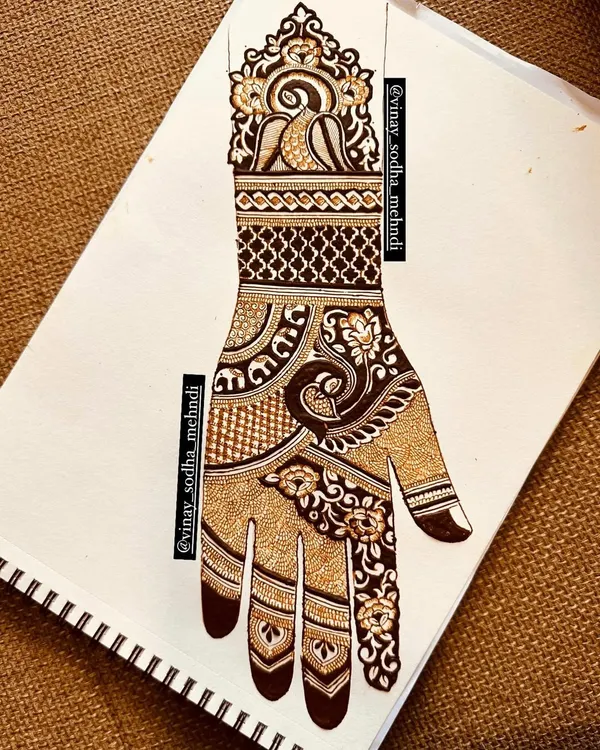
A video showing a practice session on paper. We build complex designs element by element, starting with basic shapes and progressing to intricate motifs like peacocks and kalash.
A video showing the creation of a royal bridal "startup" design, the band that begins a full arm mehendi. We practice these foundational elements extensively.
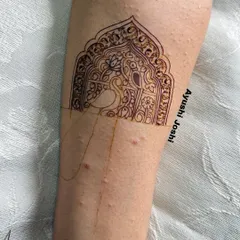
A simple and elegant startup design on the arm, featuring a temple motif. This is a great exercise for practicing clean lines.
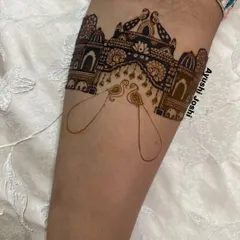
The same startup design, now with the henna paste applied more thickly. We learn how paste consistency affects the final look.
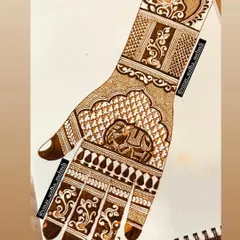
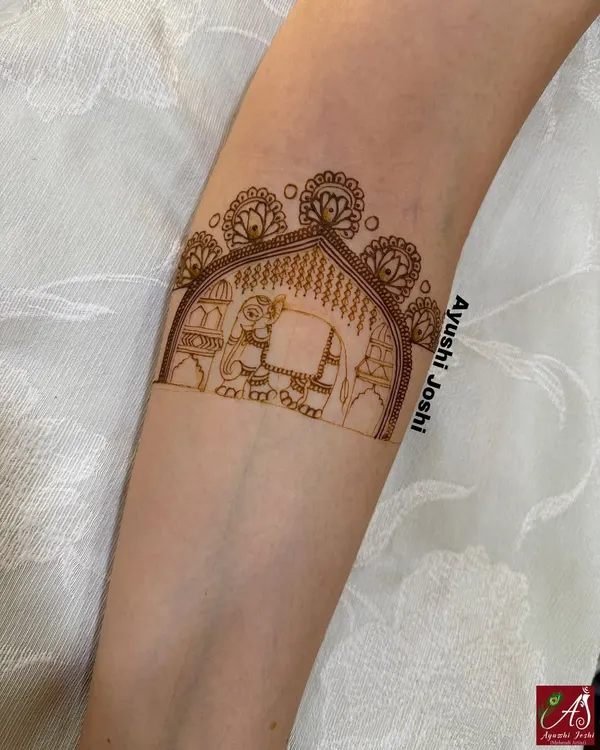
A bridal startup design featuring an elephant inside a jharokha, or ornate window. This is a great practice piece for combining elements.
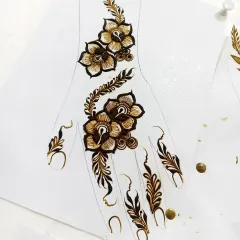
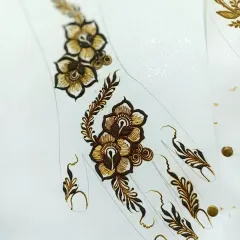
The very first step in creating an Indian design band. We start with a simple floral outline.
The design band is now filled in with more details, showing the progression of a practice piece.
The completed practice band, now featuring a cute elephant motif and intricate fillers.
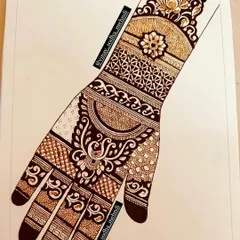
A beautiful arm band design featuring roses and a 3D effect checkered pattern, a great advanced practice piece.
The same rose arm band design, showing the importance of consistent and clean application.
About From Sketch to Skin: The Learning Process
Before you ever touch a bride’s skin, you have to master the 'startup' band. This is the foundation of any full bridal mehendi—it sets the symmetry and rhythm for the rest of the arm. In my courses at Santacruz East, we spend days just on these bands, practicing cone pressure on paper until your hand creates those clean, crisp lines without hesitation. When you get the startup right, the rest of the design flows naturally.
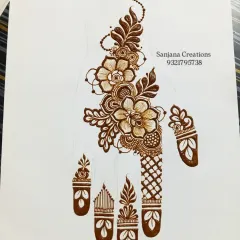
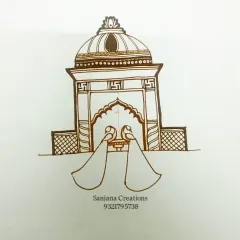
Mehendi artistry requires discipline. When you look at my bridal work, you are seeing the result of years of practice strips—those small, repetitive floral patterns, jharokha windows, and peacock motifs that I have drawn thousands of times.
Why We Start on Paper
Sketching on paper removes the fear of making a mistake. It allows you to focus entirely on pressure control—that steady, thin flow of henna paste that distinguishes a professional design from a messy one. We work on grids, mandalas, and basic leaf strokes until your hand creates shapes intuitively.
The Anatomy of a Startup
A great bridal design usually begins at the wrist or forearm. This 'startup' band acts as the anchor. If it is crooked or the spacing is inconsistent, the entire arm composition suffers. I teach my students to visualize the finished piece before the first dot touches the surface.
From Paper to Practice Hands
Once the sketching is clean, we move to acrylic practice hands. Unlike human skin, these do not move, but they are the perfect bridge between paper exercises and real-world bridal application. It allows you to master the 'drag' of the cone without the pressure of a live event.
My Teaching Methodology
My 40-day vocational training is built on this systematic progression. We do not jump into complex figures immediately. We build the architecture of your designs, starting from basic strokes and graduating to full-hand bridal compositions. Whether you are aiming to be a professional Mumbai-based artist or just want to refine your technique for festivals, the goal is always the same: precision that creates real 'stain goals.'
Similar work from other experts
Browse through Curated picks from other experts on mytribe
 14
14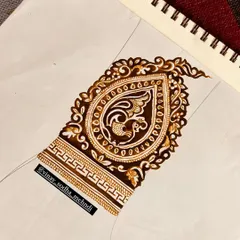
Professional Mehndi Classes in Mumbai: From Sketch to Skin
 19
19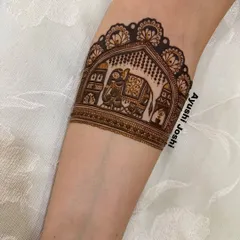
From Sketch to Stain: My Creative Mehendi Process
Professional Mehendi Art Classes in Mumbra
Master Professional Mehendi Design from Scratch
Mehndi Art: My Design Process and Training Classes
Master Mehendi Art: Learn Bridal Henna in Delhi
More from Mehendi Courses by Ashlesha
More services by Ashlesha