Cricket Coaching Playbook: Tactical & Mental Training Tips
I’ve spent 20 years coaching everyone from juniors to India players. Here is my weekly playbook—practical tips on mental toughness, match strategy, and the small technical habits that actually win games.
Net practice shouldn't be monotonous. I explain how to use a one-over challenge, where the bowler sets a field and has only six balls, to create real match pressure. This simple drill sharpens the mental battle between batter and bowler.
In T20 cricket, you should bluff on length, not on line. I explain this key bowling strategy, showing how varying your length with slower balls or bouncers creates doubt, while maintaining a consistent line keeps you in control.
I ask every player, from juniors to international stars, to maintain a positive diary. This simple but powerful habit reinforces learnings and builds mental toughness by training the mind to focus on solutions and wins, not setbacks.
How do you handle a batsman who is having a lucky day? I explain the strategy: stick to your own plan and don't get frustrated. As we say in Marathi, 'asa batsman la sodun dya' (leave that batsman alone) and focus on what you can control.
As a coach, it's my job to push players out of their comfort zone. I share two examples of how I strategically apply pressure during practice sessions to build mental toughness and ensure the team is prepared to handle high-stakes match situations.
A stutter in a bowler's run-up is often a mental error caused by looking down at the crease. The fix is simple: keep your eyes focused on the batter's end. This maintains your rhythm and eliminates the hesitation that disrupts your flow.
Chote-chote cheez hi match jitaate hain (the small things win matches). Here, I explain how a bowler can use the wind as a tactical weapon by timing their delivery to either use its assistance or bowl when it's calm to counter the batsman's strategy.
About #TipThursday: My Coaching Playbook
Most net sessions become monotonous, and that’s why players struggle under pressure. Instead of just bowling and batting, I insist on 'One-Over Challenges.' I have the bowler set a field and bowl six balls with a specific strategy, forcing the batter to make decisions in real-time. It’s not just about hitting the ball; it’s about simulating the exact pressure you’ll face in the middle. When you practice the same way you play, the match day doesn't feel like a shock.
Building a Match-Winning Mindset
Cricket is 80% mental. If you’re overthinking or your run-up is off, you don't need a hundred more balls; you need a system to simplify your focus. At Kkalpavriksha Cricket Clinic, I help players identify the difference between a technical error and a mental block.
My Coaching Approach:
- The Positive Diary: I make every student, from juniors to international players, keep a 'Positive Diary.' We don't dwell on what went wrong. We write down learnings to train the subconscious mind. If you write about mistakes, you cement them. If you write about solutions, you improve.
- Strategic Deception: As a bowler, never bluff on your line. Your line must be consistent. Instead, bluff on your length. Change your trajectory, use the wind, or alter the pace to create doubt in the batter’s mind.
- Handling the 'Lucky' Batsman: When a batter is having a lucky day with edges and mishits, bowlers often get frustrated and change their plan. Don't. As we say in Marathi, asa batsman la sodun dya (leave that batsman alone). Stick to the process and trust that the odds will eventually balance out.
- Pressure Drills: We don't do boring, repetitive nets. We create game scenarios—like chasing a specific target in one over—so that you learn to handle the noise of the match before you ever step onto the pitch.
Parental Partnership
Success is a 10-year journey. If you are a parent, your role is to provide a stable, pressure-free environment at home. Whether your child hits a century or gets out on zero, your support must remain consistent. We host workshops to help you navigate this long path without burning out your child.
Similar work from other experts
Browse through Curated picks from other experts on mytribe
Master Your Cricket IQ: Mental Game & Tactical Training
Match Day Performance & Tactical Analysis
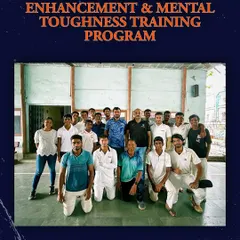
Mental Toughness & Performance Training for Cricketers
Cricket Coaching, Mentorship & Mindset Training
Batting Under Pressure: From Nets to Match Day
Professional Cricket Coaching & Technique Training
More from Mental Conditioning & Sports Psychology by Prashant Shetty
More services by Prashant Shetty