Aggression & Anxiety: Handling the Tough Stuff
Your dog isn't 'bad.' They're just reacting. Stop the guessing games, forget the 'guchi-puchi' therapy, and start understanding what's driving their aggression. Let’s cut the crap and fix the behavior.
Analyzing the viral Husky attack video from Gurugram. I break down the dog's body language and potential triggers, explaining how a lack of proper socialization and owner awareness can lead to such incidents. It's often not a random attack.
The Rottweiler attack in Gujarat is a tragic example of a systemic failure. I discuss how it's not just the owner's fault, but a mix of issues including lack of government regulation for powerful breeds, irresponsible breeders, and a general lack of education.
A client called me about their five-year-old aggressive Rottweiler, a problem they ignored since he was a puppy. This is a classic case of how small issues, when neglected, become a huge 'bhasoodi' that's risky and difficult to fix later.
Many dogs act like 'fake alphas', showing aggression only when their owner is around. I explain how to spot this behavior and understand the difference between a truly confident alpha dog and one that's just putting on a show for you.
A Dogo Argentino, a banned breed, attacking a Beagle in Pune. I discuss the owner's irresponsibility and the dangers of owning powerful breeds without the right skills, highlighting why such incidents are more than just 'mistakes'.
Understanding Post-Traumatic Stress Disorder (PTSD) in dogs. I explain how negative experiences, like a vet visit or an attack, can create lasting fear and anxiety, and how to use counter-conditioning to help your dog overcome these traumatic memories.
Here are ten common things you might be doing that are making your dog aggressive. From taking too much advice from Google to not giving them enough exercise, I list out the mistakes that contribute to behavioral problems.
The 'fight or flight' response is natural, but what happens when a dog gets stuck in it? I explain the science behind how a dog's brain reacts to fear and why some dogs bite first and think later, connecting it to their survival instincts.
How to handle your dog's anxiety. I explain that anxiety is a mental pressure that puts the dog in a 'fight or flight' mode. The key is to remain calm and be a confident leader, not to coddle them, which only reinforces their fear.
Some dogs just don't like kids, and it's often because of the high-pitched sounds they make. I share my experience with my own dog, Piggy, and explain why this behavior happens and how to manage it through controlled exposure.
About Aggression & Anxiety: Handling the Tough Stuff
Most aggression isn't about training commands like 'sit' or 'stay.' It's about your own energy and the lack of structure at home. If your dog is pulling on the leash or acting out, they’re looking for a leader, not an enabler. Before you assume it’s a hopeless case, let’s look at the triggers—from leash tension to lack of socialization—that you might be unintentionally reinforcing every single day.
Why Your Dog Really Acts Out
Aggression and anxiety are not 'bad' traits. They are survival mechanisms. When a dog bites or barks, they are communicating discomfort or fear. My approach at KIGA isn't about magic wands; it's about identifying the root cause. Is it a lack of exercise? Is it 'single-dog syndrome' where they never learned pack dynamics? Or is it simply a breed-specific trait like guarding that you haven't accounted for?
The 'Owner Audit'
In my 17 years, I've seen thousands of dogs. 90% of the time, the problem isn't the dog—it's the owner's handling. If you treat a powerful breed like a human baby, you create a mess (or 'bhasoodi,' as I call it).
- Fear-Based Aggression: Often starts with traumatic experiences, like a bad vet visit. We use counter-conditioning, not punishment, to rewrite those memories.
- Leash Aggression: Often a result of your own nervous energy. If you're tense on the walk, your dog feels it and reacts.
- Fake Alphas: Many dogs bark at other dogs just to show off for their owners. They aren't leaders; they're just posturing.
Real Talk on Dangerous Situations
I don't sugarcoat this: some behaviors are dangerous. If you have a Rottweiler, Husky, or any powerful breed, you cannot 'love away' their nature. You need to provide structure. This means daily, physical movement, not just a 5-minute stroll. It means setting boundaries indoors. If you’re in Gurugram and struggling with your dog’s behavior, stop waiting for it to get better on its own. It rarely does. Let’s get to work before a small habit becomes a legal or safety nightmare.
Similar work from other experts
Browse through Curated picks from other experts on mytribe
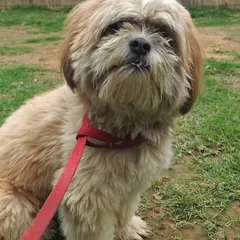
Aggressive and Reactive Dog Behavior Modification
 20
20
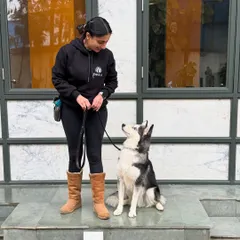
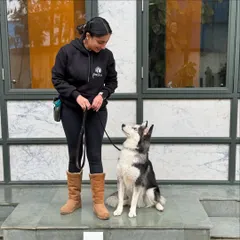
Behavior Modification for Dogs With Serious Challenges
Address Dog Aggression Through Understanding, Not Force
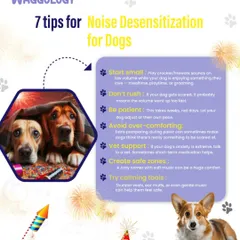


Overcoming Your Dog's Anxiety and Fearful Behavior
Real Results: Canine Behavioral Transformations
Behavioral Transformations: Helping Dogs Find Balance
More from Dog Behavior & Training by Kiga
More services by Kiga