Our Hands-On Science Learning Framework
We believe science should not just live in textbooks. Our structured framework links core concepts like energy and circuits to the real world, ensuring your child learns by building, not just memorizing.
This is the intellectual framework I use for my workshops. We cover key areas like Energy, Hydraulics, Magnetism, Circuits, Motors, and Space, ensuring a well-rounded and comprehensive STEM education.
About Our Learning Framework
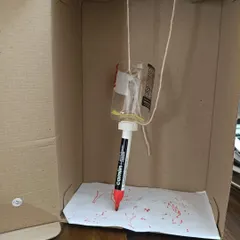
When we teach hydraulics, we aren't just showing a diagram of a crane. Your child builds the actual hydraulic system using syringes and water, so they feel the pressure change in their own hands. This practical application turns an abstract school chapter into a concept they truly own, rather than just something they have to read about.
How Our Framework Works
I structured this framework to bridge the gap between school curriculum and real-world application. Whether it is a weekend club or a holiday camp, every activity is designed to tackle a specific pillar of science:
- Energy & Hydraulics: We move beyond static diagrams. By building catapults and hydraulic cranes, kids understand force, pressure, and mechanical advantage through trial and error.
- Circuits & Motors: Instead of rote memorization, children strip wires, test connections, and troubleshoot their own motorized rovers. They learn what happens when a circuit is incomplete and why it matters.
- Magnetism & Space: We simplify complex topics through projects that make the invisible visible, allowing kids to grasp the basics of physics and space science in a way that sticks.
Why This Approach Matters
Most school science is theory-heavy. In my sessions, we flip that ratio. We spend about 80% of our time building, testing, and sometimes failing. If a motor does not spin, we look at the circuit together and find the break. This builds resilience and analytical thinking, which are skills your child can use far beyond my classroom.
Alignment with Your Goals
My curriculum loosely aligns with CBSE and ICSE concepts, making these sessions a great supplement to schoolwork. If your child is struggling to visualize a chapter on light or sound, bringing them here turns that confusion into a working model they can hold. We keep batches small so that every child gets the one-on-one time needed to ask questions and explore.
Similar work from other experts
Browse through Curated picks from other experts on mytribe
Hands-on Science & STEM Projects
Hands-On Science & STEM Workshops
 7
7
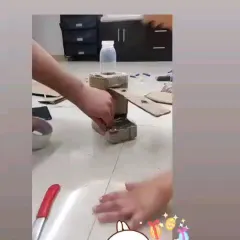
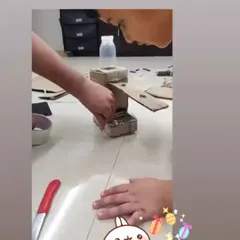
Hands-On STEM & Science Fun for Kids
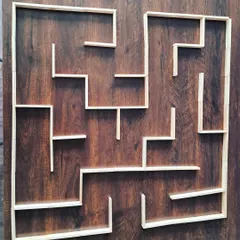
Developing STEAM skills through hands-on play
See Robotics and STEM Learning in Action
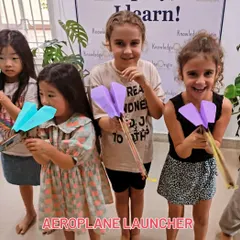
Hands-On Science & STEAM Creations for Kids
More from Science Workshops & Classes by Fun in Science
More services by Fun in Science