Canine Behavior Insights: Expert Advice from Dr. Amrut
Beyond commands—discover the psychology behind your dog's behavior and learn why mutual respect is the foundation of true training.
In this podcast clip, I explain why the owner's involvement is critical. Training your dog is like learning to drive your car; you can't just hand the keys to a driver. You must learn to practice with your dog for them to listen to you.
During another appearance on News 9, I discuss the science of managing stray dog populations. I explain the importance of identifying the 'pack leader' and why simply removing dogs from an area can create bigger problems.
In this interview with Rapid Rashmi, I explain how dogs learn from other dogs. A dog with bad table manners quickly learns to be respectful in a pack, because other dogs will correct the behavior. This is why my dog school environment is so effective.
Why is a dog school better than at-home training? In this podcast, I use the analogy of children learning at home during COVID versus in a classroom. Socialization and learning to listen amidst distractions are key.
What does 'Dog Guru' mean? In this interview with Gold Class with Mayuraa, I explain my philosophy: the dogs are my gurus. I have learned from every one of the 1500+ dogs I have trained.
Here I discuss 'learned fear' in children. When parents tell a child "the dog will get you," they are unintentionally creating a phobia. This is a small part of understanding the complex psychology between humans and dogs.
I was honored to be selected for the Aryabhata International Award in recognition of my contributions to dog training and canine behavior research. This acknowledges my dedication to a scientific and humane approach.
This video shows the moment I was awarded an honorary Doctorate/PhD in Canine Behavior and Training from the Global University of Boston, a recognition of my life's work.
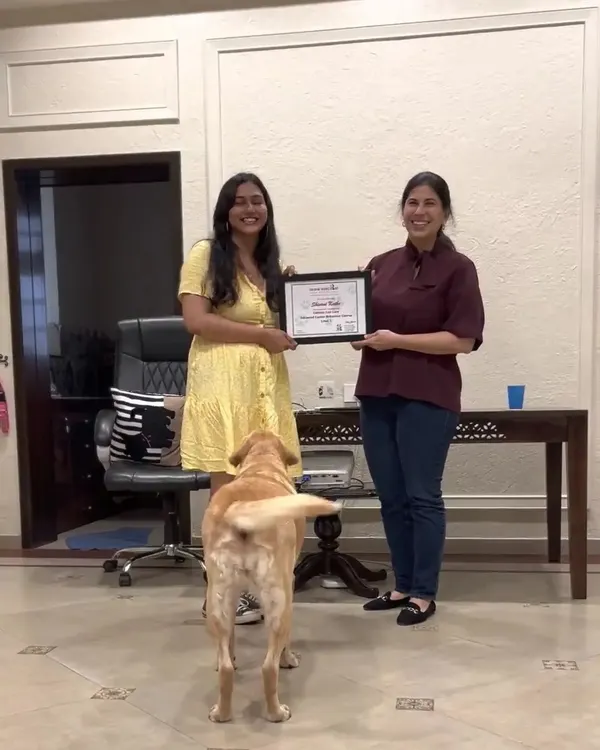
A proud moment, holding my honorary PhD certificate. This academic recognition validates the science-based psychological principles that I apply in my training every day.
Pictured with my mother after receiving my honorary doctorate. My journey as a dog psychologist is built on years of passion, study, and the support of my family.
About The Dog Guru's Corner: Expert Insights & Media Features
You might think a dog barking at a vehicle or pulling on a leash is simply being aggressive, but it is often a cry for help triggered by fear or anxiety. Most training fails because it treats the symptom, not the root cause. My approach focuses on Shwana Manovaitajnya—canine psychology—to help you build a relationship based on mutual respect rather than control.
Understanding Canine Psychology
Training is not about making your dog a robot that blindly follows commands. It is about communication. When I talk about Maryade (respect), I mean it as a two-way street. If you respect your dog as an individual with their own fears and triggers, they will respect your role as the pack leader. Many behavioral issues like resource guarding, separation anxiety, or excessive barking are rooted in human misunderstanding.
Why The Residential Approach Works
At my Kengeri facility, we move beyond the four walls of your living room. A dog trained in a controlled home environment often fails the moment they step onto the road, overwhelmed by new smells and sounds. Our residential program mimics the classroom environment for a child. By learning in a pack with other dogs, your pet learns social cues, patience, and how to handle distractions naturally.
Dispelling Common Myths
- The Glucose Biscuit Trap: Many owners feed dogs glucose biscuits as treats. It is dangerous and can lead to kidney failure. We teach you healthy, dog-safe dietary habits.
- The Milk Myth: After 100 days, most dogs develop lactose intolerance. Giving them cow milk can cause digestive distress. We guide you on proper nutrition.
- Learned Fear: We help you identify if your dog's aggression is 'learned fear'—often an unintended consequence of how the dog was raised or punished.
My goal is to stop you from guessing why your dog acts out. Whether you have a puppy needing basics or an adult dog requiring behavioral rehab, my programs are designed to help you, the owner, become the expert in your dog's life.
Similar work from other experts
Browse through Curated picks from other experts on mytribe
Our Dog-Centric Training and Behaviour Philosophy
 33
33

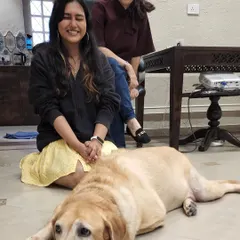
Certified Dog Behaviourist Training in Bangalore
Common Dog Training Myths Debunked
 4
4


Solving Tricky Dog Behaviors with Patience
My Journey: Why I Choose Trust Over Control


Overcoming Your Dog's Anxiety and Fearful Behavior
More from Dog Board & Train Program by Dog Guru