Residential Dog Training & Schooling in Kengeri
My residential program is not just about training; it is a full reset for your dog. With routine grooming, veterinary care, and structured pack socialization, I ensure your dog leaves healthier, calmer, and more focused.
Meet Milo, a Belgian Malinois, during his introduction session. The first day is all about helping a new dog acclimate to the school environment and feel comfortable.
Tyson the German Shepherd gets his regular grooming session. We ensure every dog is frequently groomed to prevent ticks, matting, and skin issues, keeping them healthy and comfortable.
Tyson gets his weekly veterinary check-up. The health of every dog at my school is paramount, and routine vet visits ensure they are always in top condition for training.
Raja the German Shepherd during his grooming session. Consistent care and grooming are part of the discipline and routine that dogs learn to accept and enjoy.
Building trust is the first step. Here, a trainer is getting a new Labrador comfortable with handling, which is essential for grooming, vet checks, and training.
Bhaira's journey begins. The initial days are crucial for establishing a routine and building a relationship with the trainers.
Grooming time for Prince the Golden Retriever. He is learning to be calm and cooperative during grooming, which is an important part of being a well-mannered dog.
A new dog getting comfortable with a trainer. We take the time to ensure every dog feels safe and builds a positive association with our team from day one.
A grooming session for a beautiful Golden Retriever. Regular grooming is essential for long-haired breeds to maintain a healthy coat and skin.
After a training session, Pippin enjoys a relaxing walk. These walks reinforce good leash behavior and allow the dogs to decompress in a calm, structured way.
About Life at the School: Health, Socialization & Care
Training is only half the battle; physical health is the foundation. At my Kengeri facility, I insist on regular grooming and weekly veterinary check-ups for every resident dog. A dog with an ear infection or heavy tick infestation is a stressed, distracted dog. I fix the physical well-being first so the mind is clear enough to learn the discipline I teach.
True behavioral change requires a healthy body. I often see dogs struggling with aggression or anxiety that is actually rooted in physical discomfort or poor hygiene. If a dog is in pain or constantly scratching due to ticks, they cannot concentrate on learning new commands. That is why our residential school is designed to be a complete ecosystem.
We provide routine brushing, bathing, and hygiene checks as a core part of the daily schedule. It is not just about aesthetics; it is about parasite control and skin health.
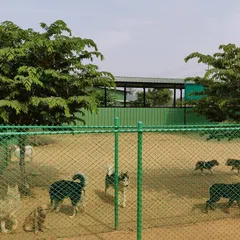
Then, there is the importance of pack socialization. Shwanagalu (dogs) are pack animals. They need to learn social cues from one another. In my program, dogs learn to coexist, read body language, and respect boundaries. This is the 'Socialization Training' that home-based training often lacks. They learn to be calm and confident in the presence of other dogs, turning potentially chaotic energy into controlled, disciplined interaction.
Finally, we include weekly veterinary check-ups as part of the curriculum. We do this to catch health issues early—from simple ear infections to signs of joint pain. When a dog feels physically sound, they respond much better to behavioral modification. You are not just boarding your dog here; you are sending them to a school that prioritizes their total mental and physical health.
Similar work from other experts
Browse through Curated picks from other experts on mytribe
Professional Dog Training, Boarding & Wellness in Whitefield
Essential Life Skills Training for Your Dog
 8
8
Real-World Canine Training & Home Boarding Highlights
 6
6
Effective Canine Socialization and Pack Dynamics
Board and Train in a Real Home
Board & Train: A Cage-Free Social Experience
More from Dog Board & Train Program by Dog Guru