Legal Rights and Protection for Women in India
Legal awareness is your best protection. Whether it’s securing your matrimonial home, understanding Stree Dhan, or knowing your individual rights, I am here to clarify the law in plain, simple words.
**A Wife's Right to Live in the Matrimonial Home.** Many of my female clients are pressured to leave their homes during a dispute. You have a legal right to reside in your "shared household" under the Protection of Women from Domestic Violence Act. If you are forced out, the court can order your in-laws to provide you with similar alternative accommodation.
**What is 'Stree Dhan' and Who Owns It?** 'Stree Dhan' refers to any gifts, money, or property a woman receives at the time of her wedding from her parents, in-laws, or relatives. The Supreme Court has affirmed that this is her absolute property. The husband and his family have no legal right over it.
**Does a Wife Need Her Husband's Permission for a Passport?** Absolutely not. A married woman has her own identity and does not need her husband's consent to apply for a passport. The Madras High Court has stated that this is a woman's individual right, striking down patriarchal norms.
**Is It Mandatory to Change Your Surname After Marriage?** No, changing your surname is a cultural practice, not a legal requirement. It is completely your choice. A school cannot deny admission to your child simply because the parents have different surnames.
**The Fundamental Right to Choose Your Life Partner.** I often get calls from parents whose adult children have married against their wishes. The Punjab and Haryana High Court has upheld that every adult has a fundamental right to choose their life partner. As long as your daughter is a major, you cannot legally interfere with her choice.
**Can a Woman in a Live-In Relationship File a Domestic Violence Case?** Yes. The Domestic Violence Act protects women in relationships that are "in the nature of marriage". I explain the conditions laid down by the Supreme Court to prove such a relationship, ensuring that women in live-in partnerships also have legal protection against abuse.
**False Promise of Marriage: A Criminal Offense.** Be careful about making promises you don't intend to keep. The new Bharatiya Nyaya Sanhita (BNS) has a specific provision, Section 69, which criminalizes having sexual relations with a woman under a false promise of marriage. This can lead to a jail term of up to 10 years.
**Advice for Women Getting Married: Keep All the Bills.** This is a practical tip for all women who are about to get married. Keep the receipts for all wedding-related expenses. If a dispute arises later, these bills serve as crucial evidence in court to prove your family's contributions and can help you claim appropriate compensation.
**Essential Safety Apps for Women in India.** Your safety is paramount. I am sharing a list of important women's safety apps available in India, such as '112 India' and 'My Safetipin'. These apps can be a lifeline in an emergency, allowing you to alert your contacts or the police quickly.
**A Wife is Not a Slave: Supreme Court's Strong Stance.** The Supreme Court has declared that a wife is not a chattel or property of the husband. I discuss a case where a husband, after being abusive, tried to use a legal remedy to force his wife to live with him just to avoid paying maintenance. The court rejected his plea, upholding the wife's dignity.
About Women's Rights & Protection
When legal issues arise, confusion is your biggest enemy. Understanding your rights—whether it's regarding your right to residence in a shared household or protecting your Stree Dhan—is the first step toward resolution. I provide a clear, jargon-free roadmap for your specific situation so you can stop worrying and start taking the right legal steps.
The law is not meant to be a mystery; it is meant to protect you. My goal is to break down complex sections of the law so you know exactly where you stand.
Know Your Rights
- Matrimonial Home: You have an absolute right to reside in your shared household under the Domestic Violence Act. If you are being forced out, the law provides for immediate relief, including alternative accommodation orders.
- Stree Dhan: This is your absolute property. Whether it is jewelry, gifts, or money received at the time of your wedding, the Supreme Court has affirmed that your husband and in-laws have no legal claim over it.
- Individual Identity: You do not need your husband's permission for a passport, and changing your surname after marriage is a cultural choice, not a legal requirement. Schools cannot deny admission to your child based on parents having different surnames.
- Live-in Relationships: You have protection under the Domestic Violence Act in relationships that are in the nature of marriage. The law recognizes your rights, provided specific conditions are met.
The 'Seedhi Baat' Approach
I don't believe in sugar-coating legal realities. Whether we are discussing a false promise of marriage under the new Bharatiya Nyaya Sanhita or strategizing a divorce case, we look at the evidence and the relevant court judgments. If you are currently facing a dispute, document everything. Keep bills for wedding expenses and maintain a record of events. These are your most powerful tools in court. Let's look at your case objectively and find a way forward.
Similar work from other experts
Browse through Curated picks from other experts on mytribe
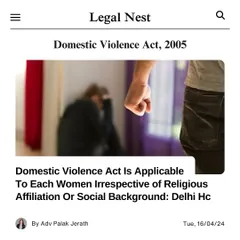
Know Your Legal Rights: Essential Matrimonial Law Guide
Know Your Rights: Practical Legal Guidance for Daily Life
 6
6
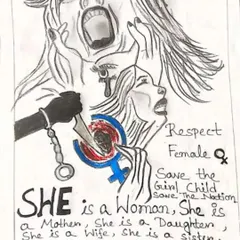
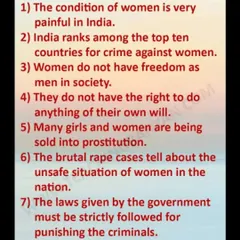
Championing Women's Rights: Legal Guidance & Advocacy
Legal Insights: Understand Your Rights and Remedies
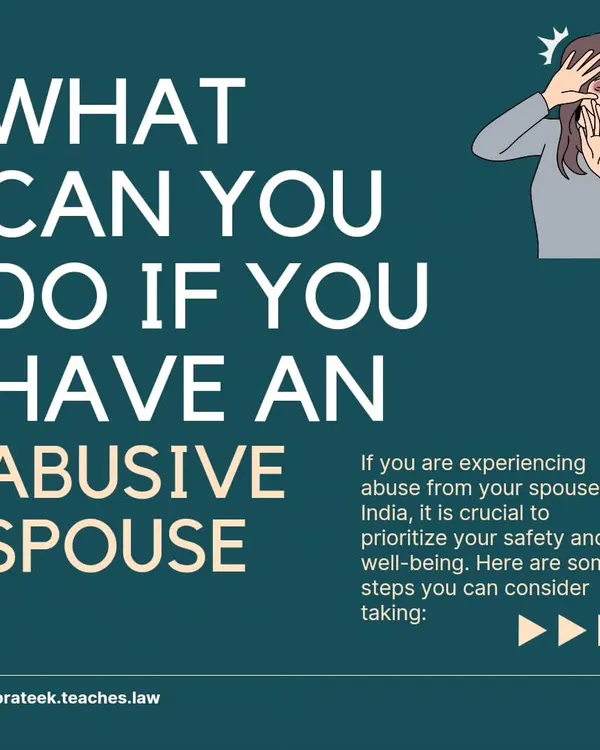 27
27

Navigating Domestic Disputes and Legal Rights in India


Protecting Your Legal Rights: Guidance for Men and Women
More from Family & Matrimonial Law by Himani Kataria
More services by Himani Kataria