Dog Care and Safety Guide for Pet Parents
Training isn't just about commands, it's about understanding your dog. Here is what I tell every family I work with to keep their pets happy, healthy, and safe at home.
It is vital to know which human foods are dangerous for dogs. This guide lists common toxic foods to keep away from your furry friend.
A detailed infographic showing dangerous foods for dogs, from chocolate and onions to avocados and raw eggs. Keep your pet safe by being informed.
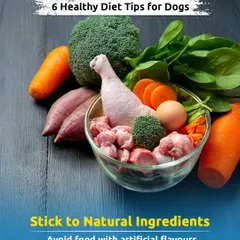
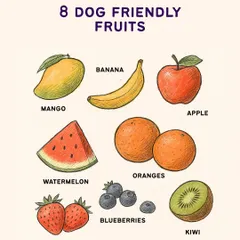
Just as important as what not to feed them is what you can. Here is a list of healthy foods like pumpkin, carrots, and blueberries that are great for your dog's diet.
A balanced diet is key to a healthy dog. I can provide guidance on incorporating fresh, healthy foods like lean meats, vegetables, and fruits into their meals.
Ever wonder why dogs sleep more on hot days? This infographic explains how heat exhaustion and discomfort lead them to conserve energy.
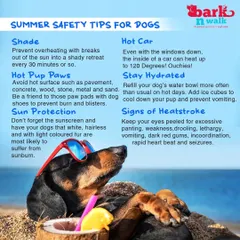
During hot weather, it's crucial to ensure your dog stays cool, hydrated, and comfortable to prevent overheating.
A quick guide of Do's and Don'ts for summer dog care. Simple tips like avoiding hot pavement and providing fresh water can make a big difference.
Hand signals are a powerful tool in dog training. This guide shows the basic hand signals for commands like 'sit', 'stay', 'come', and 'roll'.
Understanding your dog's body language is essential. This infographic shows the signs of a relaxed and happy dog, from soft eyes to a loosely wagging tail.
It's also important to recognize appeasement or stress signals. Signs like tucked tails, pinned ears, and avoiding eye contact mean your dog is feeling uncomfortable.
About Owner's Guide: Dog Care & Safety
Most behavioral issues I see at home start with misreading simple signals. Before you push for a command, look at your dog's body language first. If you notice them pinning their ears back or avoiding eye contact, they are telling you they are stressed, not being stubborn. A 'relaxed' dog is a 'responsive' dog, and understanding that is the first step to any successful training.
Understanding Your Dog's Language
When I visit homes in Delhi NCR, the first thing I do is show owners how to read their dog. Dogs don't use words, but they are constantly communicating. If a dog is stressed, they might lick their lips, yawn, or tuck their tail. Pushing them to 'sit' or 'stay' while they are anxious will only cause more confusion.
Food Safety at Home
We all love treating our dogs, but you must know what is toxic. Common items like onions, garlic, grapes, and chocolate can cause serious health issues. Always check labels. If you are unsure about a new treat, skip it. Stick to safe options like carrots or cooked chicken, but always in moderation. A healthy diet is the foundation of a happy, energetic dog.
Staying Safe in Summer
Delhi summers are harsh on our furry friends. Since dogs don't sweat like us, they overheat quickly. Limit walks to early mornings or late evenings to avoid burning their paw pads on hot pavement. If your dog is suddenly sleeping more or seems lethargic during the day, they might be feeling the heat. Keep their water bowl filled and give them plenty of shade.
Why Hand Signals Matter
Dogs process visual cues faster than vocal commands. Using simple hand signals for 'sit', 'stay', or 'come' creates a stronger connection. It also helps if your dog has any hearing issues or is in a noisy environment. When we pair a clear signal with a reward, the learning process becomes much faster and more fun for both of you.
Similar work from other experts
Browse through Curated picks from other experts on mytribe
Understanding Your Dog: Practical Tips & Behavioral Facts
 20
20
Common Dog Health & Safety Questions
Practical Pet Parenting Tips for Every Doggo

Pet Parent University: Expert Health & Wellness Guides
 20
20
Practical Dog Parenting Tips and Expert Guides
Essential Dog Parenting Tips & Behavior Advice for Pet Owners
More from Obedience Training by Furry Lovee
More services by Furry Lovee