Conceptual Fashion Editorials and Visual Storytelling
I don't just capture clothes; I build narratives. These projects are visual laboratories where cinematic inspiration, cultural identity, and high-fashion collide to tell a deeper story.
A cinematic look at the "Love in Future Past" editorial, inspired by the visual language of Wong Kar Wai. The project is a reflection on how we experience love through memory and expectation, rarely in the present.
From "Love in Future Past," Chapter 7: The future is daring. This shot captures the heroine's shift towards bold expectations, mixing patterns and textures in a way that feels both nostalgic and forward-looking.
A scene of daring expression from "Love in Future Past." The composition, with the model standing on a chair under a chandelier, is meant to feel spontaneous and defiant, breaking from the quiet nostalgia of earlier chapters.
From Chapter 6, "Collision of thens." Here, the subject is surrounded by clashing floral patterns, representing the beautiful chaos of overlapping memories and future dreams. This is a key part of my editorial concept development.
A quiet, contemplative moment from "Love in Future Past." The soft lighting and relaxed pose suggest a pause in the character's journey between past and future, a rare glimpse of the present.
From Chapter 5, "Visitors of the past." The use of shadows and a partially obscured frame creates a sense of being watched by memories, a central theme in this fashion editorial.
A scene from "Gallery of expectations," Chapter 4 of the series. The subject sits alone in a vibrant, romanticized setting, embodying the act of building a future in one's mind.
The use of mirrors is a recurring motif in "Love in Future Past," symbolizing self-reflection and the fractured way we see ourselves through the lens of past love and future hopes.
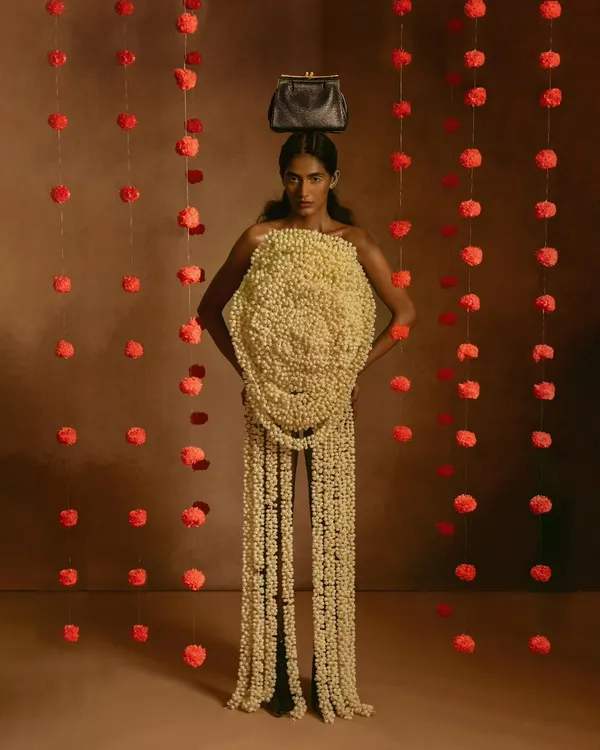
The opening statement for my "Roots" editorial. This image, with books balanced on the model's head, serves as a visual metaphor for the cultural and intellectual heritage we carry with us.
A rich, layered composition from the "Roots" series. The mix of textures, patterns, and deep colors explores the complexity of our personal and cultural foundations in this fashion photography story.
About Conceptual Storytelling: Fashion Editorials
When I build an editorial like 'Love in Future Past,' I’m not just looking for a strong outfit. I’m asking: what is this character actually waiting for? Whether it’s a brand campaign or a personal project, my process starts with a moodboard, not a camera. We figure out the color palette, the emotional arc, and the lighting setup long before we step onto the set.
My work in conceptual storytelling is less about clicking a button and more about deconstructing an idea. Take the 'Roots' series: I wanted to explore how we carry our heritage. Instead of a generic portrait, I used the physical act of balancing books on a model's head to ground the concept in something tangible. It’s about taking an abstract thought—like cultural identity or the cinematic nostalgia found in a Wong Kar Wai film—and translating that into texture, shadow, and movement.
For brands and publications, I apply this same rigour. If your brand has a story, it shouldn't be told through stock poses. We start with a concept, look at the emotional weight of your collection, and align the styling to match that narrative. This is the difference between an image that fills space and an image that demands attention.
I treat my photography as a continuous education. If you are an artist or a photographer, these projects serve as the blueprint for my workshops. We don't chase instant perfection. We look at the fragments—the failures, the play, and the technical challenges—to build a vision that is authentically yours.
Similar work from other experts
Browse through Curated picks from other experts on mytribe
 81
81
Conceptual & Editorial Fashion Photography in Mumbai
 29
29
Cinematic Fashion Campaigns That Tell a Story
Conceptual & Editorial Campaign Styling
 10
10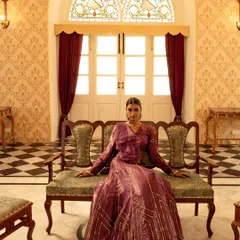
Featured Fashion & Editorial Photography
 32
32
Creative Fashion & Editorial Styling
 20
20
High-Concept & Magazine Editorial Styling
More from Creative Consulting & Education by Victoria Krundysheva
More services by Victoria Krundysheva