Preparing Your Dog for a Baby
Bringing a baby home changes your dog's world, too. I help you navigate the transition with realistic, safe routines that prioritize both your newborn and your dog’s needs.
When should you start preparing your dog for a baby? The answer is now. I recommend starting in the first trimester. The more time you invest in preparing your dog, the easier the transition will be for everyone.
Before your baby arrives, it's crucial to polish a few key cues. Commands like 'Leave It', 'Drop It', and 'Place' will become invaluable for managing your home safely and preventing your dog from grabbing baby toys.
I'm teaching my son the right way to interact with our dog from day one. Gentle, open-palm petting is key. It's our job as parents to guide these interactions and teach respect for our dog's space.
Once your baby starts crawling, safety becomes even more critical. It's important to never let the baby crawl on the dog or approach when the dog is eating, sleeping, or has a valuable toy. Constant supervision is essential.
A barking dog and a sleeping baby can be a stressful combination. Simple management solutions, like leaving a note on the door or using a white noise machine, can make a huge difference in keeping the peace at home.
Raising a dog taught me so much about non-verbal cues, which has been incredibly helpful in understanding my own child. The patience and observation skills you learn as a dog parent are directly transferable to human parenting.
It's easy to accidentally reinforce barking, especially with a baby in the house. If your dog barks and you immediately give attention, you're teaching them that barking works. Understanding this is the first step to changing the behavior.
About Preparing Your Dog for a Baby
Don't wait until the nursery is fully set up to start your training. I recommend introducing new boundaries, like crate training or 'place' cues, as early as the first trimester. This prevents your dog from associating these new rules exclusively with the baby’s arrival, making the big day significantly less stressful for everyone involved.
Many parents assume their dog will instinctively know that a new baby needs gentle treatment. The truth is, that is a myth that leads to unnecessary accidents. Dogs see a baby as a new, unpredictable family member, and it is our responsibility to teach them how to interact safely.
Why Start Early?
Starting in the first trimester is key. By the time you reach the third trimester, you are likely too tired to manage a full retraining schedule. I help families establish 'no-go' zones and reinforce core cues like 'place', 'drop it', and 'leave it' well in advance. These are not just tricks; they are essential safety management tools.
Setting Boundaries for Life With Kids
When your baby arrives, your routine will be turned upside down. I help you practice these scenarios before the chaos begins:
- Leash Manners: Practice walking with a stroller now, so the dog is not surprised by the new equipment.
- Supervision: We discuss active supervision, not just being in the same room. A sleeping baby and a dog require specific management like white noise machines or spatial barriers.
- Respecting Space: Never let your baby crawl on the dog or approach them while they are eating or sleeping. This is a non-negotiable rule I teach every family.
My approach is grounded in reality, not perfection. If you feel overwhelmed, it is because you care. Let's work on a plan that keeps your home calm and safe.
Similar work from other experts
Browse through Curated picks from other experts on mytribe
Puppy Parenting: A Guide to Training Your New Dog
Puppy Training for a Calm & Confident Home
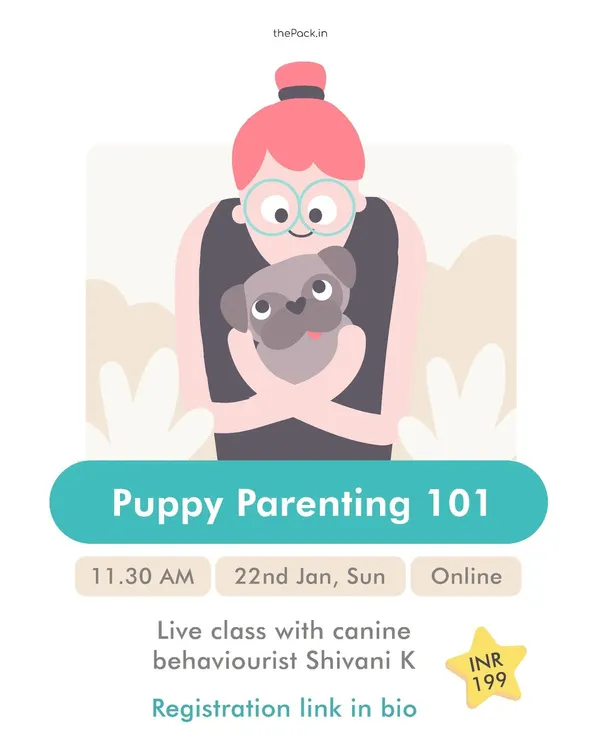 8
8Puppy Parenting & Basic Skills
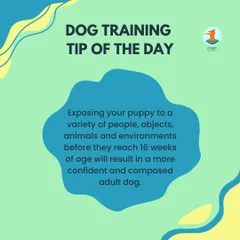
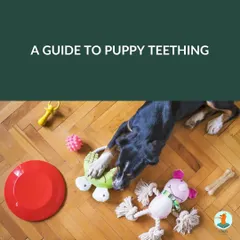
Starting Strong: Essential Puppy Socialization & Care Tips



Puppy Foundations: How to Start Training Your Puppy Right
 47
47


Starting Your Puppy Right: Expert Nutrition and Care
More from Educational Workshops & Webinars by Nitika Ahlawat
More services by Nitika Ahlawat