Leash Walking Essentials: Transform Your Daily Walks
Walks should be a bonding experience, not a tug-of-war. Learn how to handle leash manners, manage triggers, and turn chaotic outings into calm, enjoyable time for you and your dog.
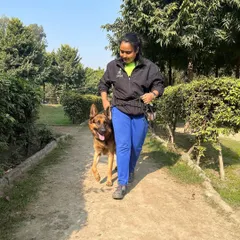
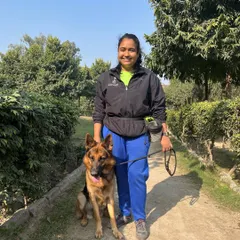
Let's normalize loose-leash walking where dogs are allowed to sniff and explore. A structured heel is useful, but allowing your dog to just be a dog on their walk is crucial for their mental stimulation and well-being.
Living in an apartment building means mastering elevator manners. I teach simple cues like "sit" and "wait" to ensure entering and exiting elevators is a calm and safe process for everyone.
Long leashes are a great tool for giving your dog freedom while maintaining safety, but they need to be used correctly. It's important to avoid using them in busy areas and never wrap the line around your hand.
I'm not a fan of retractable leashes for untrained dogs. They offer very little control in risky situations, and the thin cord can cause serious rope burns if you need to grab it suddenly. A fixed long line is a much safer alternative.
When you encounter one of your dog's triggers on a walk, creating distance is the best strategy. Teaching a simple "turn" cue allows you to quickly and calmly move away from the situation before your dog reacts.
Having the confidence to let my dog off-leash comes from years of consistent training. A reliable recall, regular check-ins, and knowing she won't rush up to every person or dog are the foundations of this freedom.
Does your dog ever grab and yank on the leash during a walk? This is often caused by frustration, over-excitement, or even attention-seeking. Understanding the "why" is the first step to addressing the behavior.
About Leash Walking Essentials
If your dog is still learning or prone to reacting, please stop using retractable leashes. They offer almost no control in risky situations, and the thin cord can cause nasty rope burns if you ever need to grab it quickly. I always recommend a fixed long line instead because it keeps you in control while giving your dog the safe freedom to sniff and explore.
Stop the Tug-of-War
Many of us fall into the trap of thinking a walk needs to be a perfect heel. The truth is, sniffing for 20 minutes offers as much mental stimulation as an hour of walking. When we obsess over control, we miss the point. If your dog is pulling, don't just blame the equipment; look for the 'why.' Is it frustration? Excitement? Attention-seeking? Identifying the root cause is the first step to changing the behavior.
Practical Strategies for Common Issues
Managing Triggers When you see a trigger on your walk, your best move is creating distance. I teach a 'turn' cue to help you change direction before your dog hits their threshold. It’s a simple, reliable way to keep things calm without having to physically wrestle your dog.
Apartment and Building Manners Living in an apartment brings its own set of challenges. Using the elevator shouldn't be a source of anxiety. I focus on 'sit and wait' cues so you can enter and exit calmly, ensuring you aren't the person everyone is avoiding in the lift lobby.
My Philosophy on Leashes
Tools matter. While a long line is fantastic for open spaces, it isn't for tight, busy areas. Safety comes first. I don't use fear-based correction. Instead, I show you how to use cues and body language so your dog chooses to stay with you, rather than being forced by a tight leash. If you are ready to stop guessing and start actually enjoying your daily walks, let's work on this together.
Similar work from other experts
Browse through Curated picks from other experts on mytribe
Mastering the Walk: Expert Tips for Leash Training
Mastering the Walk: Calm Leash Training in NCR
Leash Manners & Calm Walks for a Happy Dog
Stress-Free Walks: Teaching Your Dog to Enjoy the Journey
Stress-Free Walks: Leash Training & Reactivity
Loose Leash Walking Training in Bengaluru
More from Educational Workshops & Webinars by Nitika Ahlawat
More services by Nitika Ahlawat