Common Dog Training Myths Debunked
I see so much outdated advice out there that actually hurts the relationship you have with your dog. Let's look at the myths I encounter daily that do more harm than good, and how we can do better.
There's an outdated myth that putting your hand in your dog's food bowl prevents resource guarding. The truth is, it's the worst idea. It teaches your dog to distrust you around their food and can actually create the problem you're trying to prevent.
I would never punish a dog for growling. A growl is communication. It's your dog's way of saying "I'm uncomfortable, please give me space." Punishing the growl takes away the warning, which can lead to a bite without any warning at all.
What happens when you overuse "no" with your dog? This carousel breaks down the negative effects. Let's start with the main problem: it doesn't teach your dog what you want them to do instead.
When "no" is said all the time, it loses its meaning. For your dog, it just becomes background noise instead of a useful cue for stopping a dangerous behavior. We need to use it sparingly.
The word "no" doesn't teach your dog anything. It might stop a behavior for a second, but it doesn't show them the correct alternative. This leads to confusion and frustration for both you and your dog.
Too much correction without proper guidance, especially for anxious dogs, can severely lower their confidence. Instead of constantly saying "no," I focus on redirection and rewarding the good behavior I want to see.
The biggest myth about puppies is that they are blank slates. The truth is, genetics, their breeding environment, and early life experiences all play a huge role. You can do everything right and still have a dog with certain challenges.
Here's a gentle reminder for all pet parents. Instead of constantly saying "no, don't do that," try focusing on what your dog *can* do. Redirecting their energy to an appropriate activity is far more effective and builds a better relationship.
The dog training industry is unregulated, so it's crucial to know the red flags. Be wary of trainers who guarantee results, don't involve you in the process, or use fear-based methods. A good trainer coaches the human, not just the dog.
I have to speak up when I see content like this. This dog is clearly resource guarding and is being pushed to its limit for a "funny" video. This is not training; it's abuse, and it's our responsibility to advocate for our dogs.
About Myth Busters: Common Training Mistakes
Stop worrying about being the 'alpha' or trying to win battles over food bowls. The biggest mistake I see during my home consults in Bengaluru is owners unintentionally creating distance by using harsh, outdated techniques. Instead of correcting 'wrong' behaviors after they happen, I focus on showing you how to redirect your dog to the 'right' ones before the frustration sets in.
There is a massive amount of misinformation in the pet industry, and unfortunately, it is often framed as 'traditional' training. Here is the reality about common training myths I help families navigate every day:
The 'Resource Guarding' Myth
Many people are told that putting their hand in their dog's food bowl prevents aggression. In my experience, this is the fastest way to make your dog distrust you. You are essentially teaching them that their food is not safe when you are around, which actually creates the resource guarding you were trying to prevent. Your dog needs to know that when you approach, good things happen, not that you are there to take their meal away.
Growling is Communication
I hear parents say, 'My dog growled at the baby, I need to punish him.' Please, never punish a growl. A growl is a vital warning sign. It is your dog saying, 'I am uncomfortable and I need space.' If you remove the growl through punishment, the dog will simply stop warning you and skip straight to biting. We need to respect that boundary and change the environment instead.
The 'No' Overload
If you say 'no' all day long, it becomes background noise to your dog. It loses all meaning because it doesn't teach them what you actually want them to do. My approach is to use cues sparingly and focus on positive reinforcement. If your dog is chewing a shoe, don't just yell 'no' and walk away. Give them a toy they can chew and reward them for making that choice. We are looking for progress, not perfection.
Similar work from other experts
Browse through Curated picks from other experts on mytribe
 39
39

My Dog Training Philosophy & Practical Advice
 5
5

Understanding Your Dog's Behavior and Needs

My Positive Dog Training Philosophy & Practical Tips
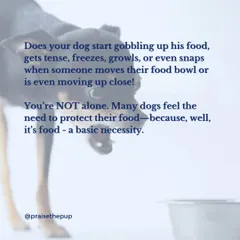
Managing Resource Guarding in Dogs
 13
13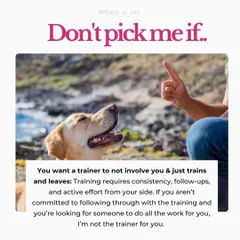


My Force-Free Dog Training Philosophy
My Training Philosophy: Building a Lasting Bond
More from Dog and Child Safety & Integration by Nitika Ahlawat
More services by Nitika Ahlawat