Healthy Habits & Nutrition for Growing Kids
Healthy eating doesn't have to be a daily battle. Learn how to turn nutrition into a positive, stress-free part of your child's routine with simple, play-based strategies.
Here's a lunchbox idea with a mix of textures and flavors. It includes millets idly with groundnut chutney, beetroot roti for a colorful twist, a vegetable sabji, cool curd, and a sweet ragi laddu for a healthy treat.
This lunchbox features ragi semiya upma, a nutritious alternative to regular upma. It's paired with makhana (fox nuts) for a crunchy snack, sweet corn, curd, and fun bread-corn-cheese discs with a side of ketchup.
A simple and satisfying lunchbox for school. This one includes mini dosas with podi for dipping, bread with peanut butter, apple slices, a banana, and a mix of nuts for a boost of healthy fats and energy.
Another balanced meal idea for the tiffin box. This meal contains plain and ragi idly for breakfast, and for lunch, rice with carrot fry, chapathi, and curd. A banana and cookies are included for snacks.
A comforting and simple South Indian meal for the lunchbox. This includes rasam rice with extra rasam for mixing, boiled beans for protein, cucumber for hydration, and rice payasam with bread for a sweet finish.
One superfood I never skip before my daughter heads to school is amla. It's rich in Vitamin C and antioxidants, which helps strengthen her immunity, sharpen memory, and improve focus for a productive day of learning.
Want to ensure your child stays healthy? I share fun, daily habits that promote well-being, like turning hydration into a game, having a family dance party for exercise, and making healthy snack time a creative activity.
If our organs could talk after we eat junk food, what would they say? This is a fun way to start a conversation with kids about how different foods make our bodies feel and the importance of balance.
My Stomach says: "Too much pizza again? I'm not a dustbin!" This graphic reminds us to nourish our bodies with fresh fruits, vegetables, and home-cooked food to keep our stomachs happy.
My Heart says: "Fried food makes me run a marathon without shoes!" To keep our hearts healthy, I teach kids the importance of staying active, getting enough sleep, and eating fresh, wholesome food.
About Healthy Habits & Nutrition
Packing a lunchbox that actually gets eaten is less about rigid nutrition and more about variety and texture. When I plan my daughter's tiffin, I focus on balancing familiar favorites with one new or nutrient-dense element, like beetroot roti or millet idly, rather than obsessing over whether the entire meal is perfectly balanced every single day.
Nutrition is rarely just about the food on the plate; it is deeply connected to how we talk about food at home. Many parents feel the pressure to make every meal 'superfood' compliant, but I have found that creating a positive relationship with eating is far more effective in the long run.
Moving Beyond Mealtime Battles
If your child is a picky eater, focus on exposure rather than consumption. Instead of nagging, try involving them in the prep—washing vegetables or stirring ingredients. When they feel like they have agency, they are far more likely to try that carrot or spinach dish. Remember, if they leave some food or try something that ends up being a 'tappu' (a mistake or something they don't like), that is completely fine. It is all part of the learning curve.
Healthy Habits Through Games
We can gamify almost every health habit to make it stick.
- Hydration: If your child forgets to drink water, turn it into a game. Create challenges throughout the day or use fun, accessible water bottles that make the act of drinking feel like a reward.
- Body Awareness: Sometimes, telling a child 'eat this because it is healthy' falls on deaf ears. Try explaining why food matters by talking about their body. For example, explain how a strong heart needs rest and activity, or how a 'happy stomach' prefers fresh fruit over packaged snacks.
The Lunchbox Reality
My approach to lunchboxes is simple: focus on colors and textures. A box filled with crunchy makhanas, soft idlys, and a slice of fruit is more appealing than a massive serving of one item. Do not feel guilty about including a treat—a small ragi laddu or a cookie alongside the main meal makes the healthy parts feel much more approachable. Consistency in these daily habits is what builds long-term wellness, not a single perfect meal.
Similar work from other experts
Browse through Curated picks from other experts on mytribe
Practical Nutrition for Families & Kids
 12
12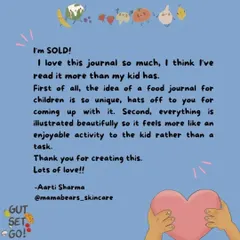
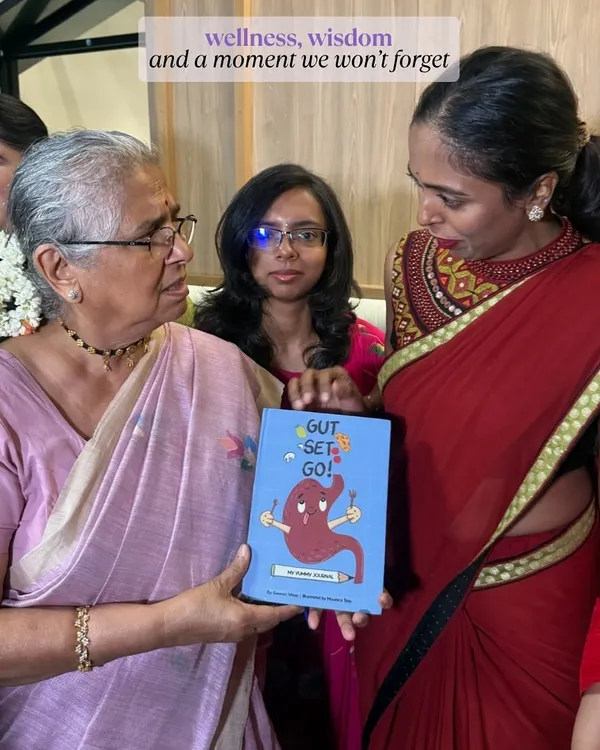
Gut, Set, Go!: My Nutrition Journal for Kids
Healthy Nutrition for the Whole Family
 27
27
Healthy Snacks for Kids: Tiffin Time Solved

Simple Tips for Healthy Eating
My Practical Kitchen Hacks for Healthy Cooking
More from Parenting Coaching by Sarvani Adabala
More services by Sarvani Adabala