Fun Science Experiments for Kids at Home
Science doesn't require a lab, just a bit of curiosity. These simple experiments turn everyday kitchen items into lessons on light, sound, and water physics that your child can touch and see.
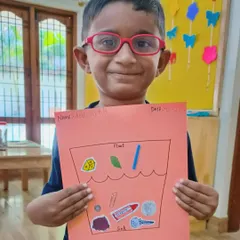
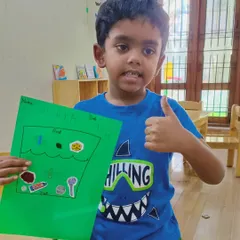
Why did the fish drawing flip? This simple experiment demonstrates the concept of refraction. The curved glass filled with water acts like a lens, bending the light and making the image appear reversed.
Have you ever wondered how some insects can walk on water? This experiment explores surface tension. By carefully placing a coin on the water's surface, we can see how water molecules stick together, creating a "skin" strong enough to support weight.
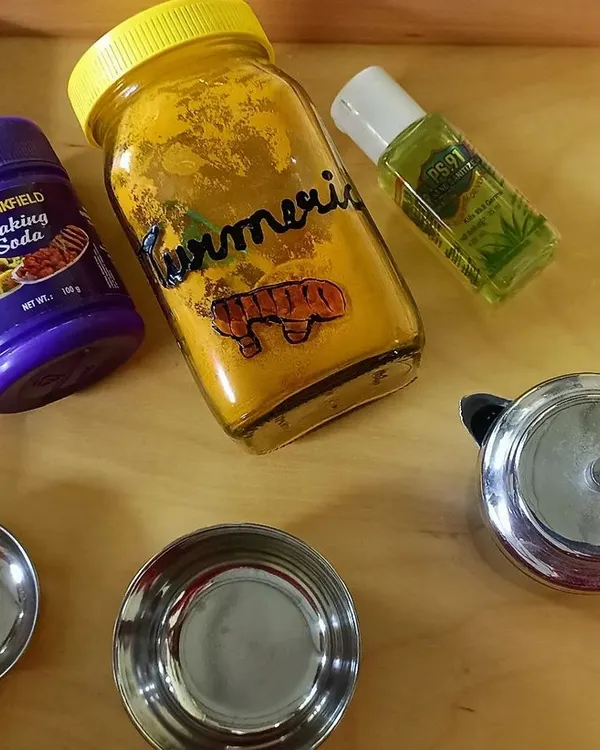
This hydrophobic powder experiment is always a hit. When you sprinkle certain powders on water, they repel it, creating a barrier. You can dip your hand in and it comes out completely dry, a fun way to see water repellency in action.
Make salt dance with the power of sound. In this experiment, sound waves from your voice travel through the air and vibrate the plastic wrap, causing the salt crystals to jump and "dance." It's a great visual for understanding how sound travels.
About Fun Science Experiments for Kids
When we do these experiments, the goal is never a perfect result. Sometimes the salt does not dance the first time, or the fish appears to flip in the wrong direction. That is perfectly okay. When something goes 'tappu' or wrong, it is simply a chance to stop and ask why. That moment of questioning is where real scientific thinking begins, so encourage the mess and focus on the process instead of the outcome.
Bringing science into your living room is about more than just entertainment. It is about fostering a growth mindset in children. By using common household materials to explore concepts like refraction, surface tension, and sound waves, you help your child understand that the world is a giant laboratory.
Why At-Home Science Works
- Visual Learning: Children grasp complex ideas faster when they see them in action. For example, watching light bend in a glass of water (refraction) is much more memorable than reading about it in a textbook.
- Sensory Engagement: Touching the hydrophobic powder or feeling the vibrations in a salt experiment helps children connect physical sensations to abstract scientific principles.
- Building Resilience: As I often say, effort matters more than perfection. If an experiment fails, we do not discard it. We troubleshoot. We observe. We try again. This builds the patience and problem-solving skills they will need throughout their lives.
Simple Ideas to Start
If you are worried about screen time, these hands-on activities are a perfect alternative. You do not need expensive kits. Use what you have—a glass of water, a spoon, some salt, or a piece of plastic wrap. These projects are designed to be safe, supervised, and fun.
Remember, your child's brain is naturally wired for discovery. They want to know why things float, why things make noise, and why things change shape. By answering these questions with a simple experiment rather than a quick screen fix, you are building a deeper connection with your child while teaching them how to observe the world around them.
Similar work from other experts
Browse through Curated picks from other experts on mytribe
DIY Science Experiments to Spark Curiosity at Home
 30
30
Hands-on Science and Discovery Activities for Kids
Magnetism, Light and Sound Experiments for Kids
Hands-On Science and Sensory Discovery for Kids
Hands-On Science Experiments for Young Explorers


Hands-On Science Labs for Kids
More from Parenting Coaching by Sarvani Adabala
More services by Sarvani Adabala