Building General Knowledge for Kids
Curiosity isn't something you teach; it's something you nurture. These simple GK quizzes are a fun, stress-free way to spark your child's interest in the world around them—no worksheets required.
Here is Part 7 of our general knowledge series. We cover questions like "Who is the Prime Minister of India?" and "What is the name of our galaxy?" It's a fun way to learn new facts together.
Welcome to Part 5 of our GK questions for kids. In this video, we ask questions like "What do we breathe in to live?" and "Which sea animal has eight arms?" Watch with your little one and see how many they can answer.
Here is Part 4 of our general knowledge questions. We explore topics like the king of the jungle, the king of fruits, and the father of India. These quick quizzes are great for boosting memory and learning.
In honor of Independence Day, here are five facts every child should know about India's journey to freedom. Teaching our children about their history helps raise them to be proud and knowledgeable citizens.
Listening to a young learner recite the alphabet is pure joy. Early exposure to letters and sounds through flashcards and books builds a strong foundation for reading and language skills.
About Building General Knowledge
Kids learn best when they don't even know they are learning. Instead of memorizing facts, we use simple, conversational Q&A sessions. It is about building a rhythm—like asking one question while you are driving to school or waiting for dinner—so it becomes a part of your daily routine rather than a 'study' session. This helps children retain information naturally without the pressure of a traditional classroom.
It Is About Connection, Not Just Facts
Many parents ask me if they should start 'training' their toddlers on general knowledge. My answer is always the same: keep it light. We are not aiming to create human encyclopedias; we are aiming to create children who are excited to ask 'why' and 'how.'
The ProBaby Approach to GK
- Keep it brief: Our sessions are short. If you watch my videos, you will see they are rarely longer than a minute or two. Keep your questions quick and engaging.
- Use visual cues: Use books, objects around the house, or things you see on a walk. Connecting a question to a real-world object makes it stick.
- Mistakes are welcome: If your child answers 'tappu' (incorrectly), do not correct them sharply. Use it as a moment to explore together. Say, 'That is an interesting guess, let us check!'
- Follow their lead: If your child is obsessed with animals, focus your GK questions there. If they love space, talk about the stars. When you follow their interest, the learning happens without any nagging.
How to Get Started
You do not need expensive kits or online classes. Start by asking open-ended questions during playtime. Use your daily life as a curriculum. If you need help structuring a routine that includes screen-free learning, my guided mentorship program helps you build a custom activity planner that fits your child's age and interests.
Similar work from other experts
Browse through Curated picks from other experts on mytribe
DIY Science Experiments to Spark Curiosity at Home
 6
6
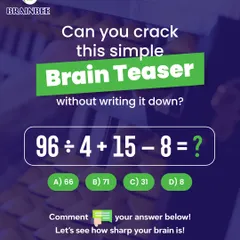
Test Your Skills: Fun Brain Teasers for Kids

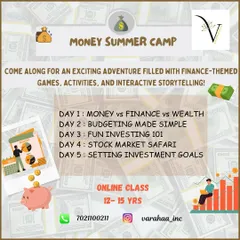
World Knowledge & Life Skills Workshops
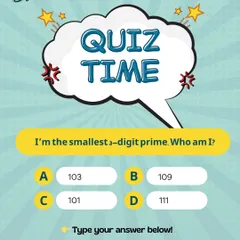
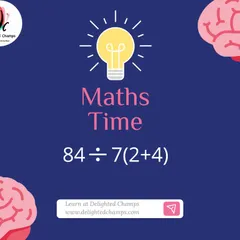
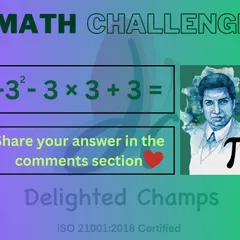
Brain-Boosting Math Challenges for Kids
 5
5Parenting Insights and Simple At-Home Activity Ideas
 22
22
Reading Tips and Reflection Guides for Kids
More from Parenting Coaching by Sarvani Adabala
More services by Sarvani Adabala