Traditional Vedic Ritual Preparation in Bangalore
A ritual is only as powerful as the intention behind it. My approach begins long before I start chanting, by creating a sacred space where the divine energy can flow naturally into your home.
Bowls of fresh flower petals, including roses and jasmine, ready to be used as offerings in a pooja. The quality of the offerings is paramount.
A close-up of a traditional brass lamp, lit for a pooja. The lamp itself is an object of worship, symbolizing the divine light.
A kalasha decorated with intricate flower garlands. The artistry in decoration is an expression of my devotion to the deities.
A collection of silver and brass pooja items, including idols and ritual implements. I use traditional items to maintain the authenticity of the ceremonies.
Fresh pink lotus flowers, sourced specifically for a Mahalakshmi Homa. Using the deity's favorite flowers is believed to please them.
A collection of silver items used as offerings or implements in specific tantric rituals.
Receiving the materials for a pooja from a client. I often guide clients on the specific items needed for their ritual.
Performing the initial steps of a pooja, consecrating the space and the items to be used.
A simple pooja setup on a clean floor, showing that devotion is more important than a grand location.
A homa kunda and mandala setup, ready for the fire ceremony to begin.
About The Art of Preparation
You might wonder why I spend hours drawing mandalas on the floor before a homa begins. These are not merely decorative patterns; they are yantras—geometric anchors designed to hold the energy of the ritual. When I prepare the space with fresh flowers, carefully sourced Samagri, and hand-drawn deity art, I am not just decorating. I am transforming your living room into a temporary temple, ensuring that the sanctity required for your specific homa or pooja is established from the moment we begin.
The preparation for a Vedic ritual is a discipline. It involves careful attention to every element, from the quality of the flowers to the placement of the brass lamps.
The Role of Sacred Art
My practice relies heavily on traditional mandalas and rangolis. Whether it is an intricate Sarpa Mandala for Ashlesha Bali or a vibrant depiction of a deity for a Durga Homa, these visual representations serve as a focal point for your devotion. I use traditional powders and floral borders to create these patterns because they act as conduits for divine energy.
Quality of Materials
Authenticity in a ritual comes from the materials used. I place great importance on sourcing the right items:
- Fresh Flora: Only fresh lotus, jasmine, and marigolds are used to create the floral garlands and offerings that please the deities.
- Pooja Samagri: I personally verify that all grains, ghee, and ritual implements are pure and correct for the specific Vedic requirements of your ceremony.
- The Homa Kunda: The setup of the fire altar, the bricks used, and the placement of the brass vessels follow ancient guidelines to ensure the fire element (Agni) burns steadily.
Creating a Focused Environment
When I perform a ritual at your residence, the preparation step is also about creating a sense of quiet and focus. By the time I complete the initial setup and consecration, your home’s atmosphere will feel distinct, moving away from the chaos of daily life and into a space of prayer. My goal is to make sure that you feel the shift in energy the moment you sit down for the pooja.
Similar work from other experts
Browse through Curated picks from other experts on mytribe
 6
6
Authentic Vedic Rituals and Puja Guidance in Bangalore
 14
14
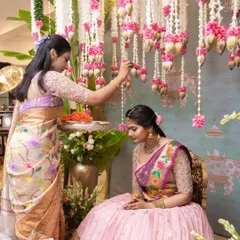
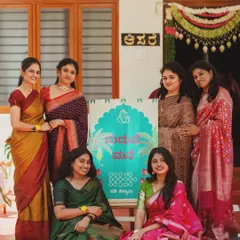
Sacred Pre-Wedding Rituals Decor in Bengaluru
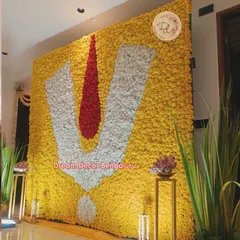
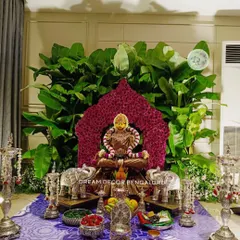
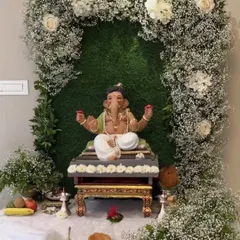
Traditional Pooja and Sacred Ceremony Decor
 5
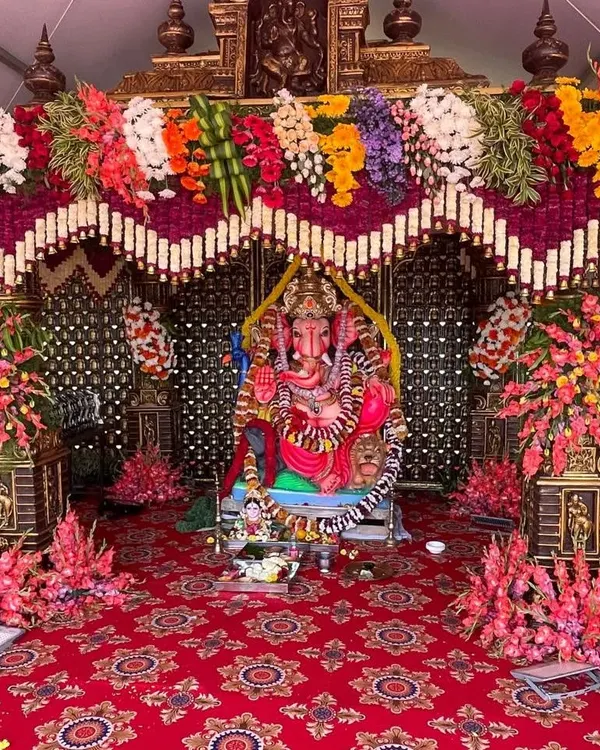
5Traditional Decorations for Pooja and Religious Events
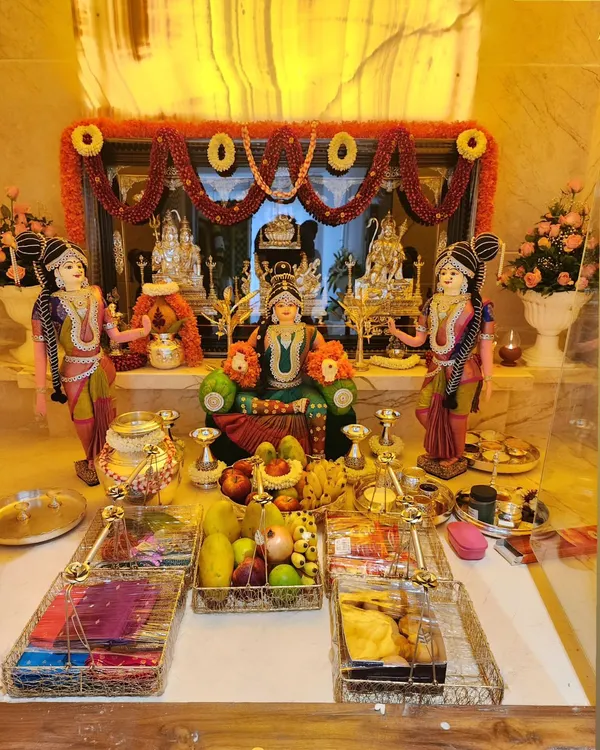 30
30
Sacred Spaces: Traditional Pooja & Deity Decoration
 22
22
Traditional & Sacred Ceremony Decor in Bangalore
More from Vedic Astrology & Remedial Rituals by Phaneendra Acharya
More services by Phaneendra Acharya