Why Play is the Foundation of Learning
We believe children learn best when they feel safe and free. Our approach swaps pressure for exploration, ensuring that curiosity leads the way every single day.
What if school was built to see the best in a child, not their flaws? At Papagoya, a child's wellbeing is the foundation of everything we do. We believe that when a child feels happy and secure, their brain opens up, and a genuine love for learning naturally follows.
An 'Invitation to Play' is how we start our mornings. We set up thoughtful, open-ended materials that spark curiosity without dictating the outcome. Here, a 'Bug Hotel' made from recycled items invites children to explore, imagine, and create their own stories about the tiny creatures.
Free play is where the deepest learning unfolds. When children lead their own play, they build confidence and independence. They explore their own ideas, solve problems in their unique way, and learn to trust their instincts in a supportive environment.
A simple tray of soil, seeds, and tools becomes a world of discovery. This 'Invitation to Play' lets our little gardeners dig in, feel the texture of the earth, and learn about how plants grow in the most hands-on way possible. It’s muddy, fun, and full of smiles.
Taking risks, like figuring out how high to stack a tower before it topples, is a crucial part of learning. Free play provides a safe space for children to experiment, make choices, and learn from the results, building real-world problem-solving skills and resilience.
A child's brain cannot learn when it doesn't feel safe. Clinical Psychologist Bakul Dua explains how stress and anxiety can shut down the learning process. This is why we prioritize creating a secure and nurturing environment where every child feels seen, heard, and emotionally supported.
Welcome to the Playmaker’s Lab, our end-of-year tradition where we replace toys with recycled treasures. This shelf, stocked with bottles, cartons, and paper, is a treasure trove for the imagination, inviting children to see endless play possibilities in ordinary, everyday materials.
Play is often seen as noisy and messy, but it can also be a quiet, focused activity like reading a book in a cozy corner. In this masterclass, we explore the many forms of playful learning and how to create spaces that honor every child's unique way of engaging with the world.
As Playmakers, we don’t always have the right answers, but we are always learning alongside the children. We listen, observe, and adapt our approach to meet each child's needs, building strategies together to help them navigate their feelings and build emotional resilience.
How do you share your feelings when you don't have the words? Our visual emotion chart helps children identify and communicate what they are feeling, whether it's happy, sad, or angry. It's a simple tool that empowers them to navigate their emotions and build resilience.
About Our Philosophy: Where Joy and Learning Meet
When you walk into our centers, you might not see children sitting in neat rows at desks. You will see them deeply absorbed in self-directed projects, perhaps rearranging a pretend hospital or tending to a garden, because I believe that genuine engagement is the true precursor to understanding. We do not rush the learning process; we simply create the conditions for it to happen naturally.
At Papagoya, we have moved away from the standard pressure-cooker environment. I started this school because I wanted a space where children are seen for their unique spark, not for their potential flaws. Our methodology is rooted in the Scandinavian play-school model, which respects the child's need for unhurried days.
The Science of Safety
A child's brain cannot learn when it feels threatened or stressed. If a student is worried about performance, comparison, or judgment, their cortex disconnects from the learning process. That is why our primary goal is emotional safety. We prioritize a secure, nurturing environment where every child feels seen and heard. Only when that baseline of trust is established does real learning begin.
The Role of the Playmaker
Our educators, whom we call Playmakers, are not there to act as bosses. They are guides who observe, listen, and participate. In our Kindergarten programs in Frazer Town and Cambridge Layout, or our micro-school in Kumara Park, you will see Playmakers setting up 'invitations to play'—open-ended activities like the 'Bug Hotel' or classroom hospital setups—that spark curiosity without dictating the outcome.
Learning Through Play
Many people think play is just noisy or chaotic, but it is actually deep, focused work. Whether it is a child reading quietly in a corner or a group of students managing a flea market project in our micro-school, these are all valid, meaningful forms of learning. By using everyday materials—cardboard boxes, recycled treasures, and real-world tools—we encourage children to solve problems, take risks, and build resilience. This is how we prepare them for the real world, not just for the next grade level.
Similar work from other experts
Browse through Curated picks from other experts on mytribe
Our "I Play, I Learn" Educational Philosophy
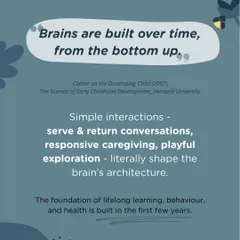
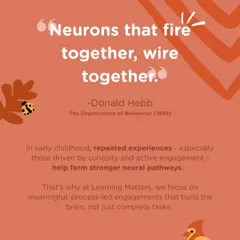
The Science of Learning: Why Play Shapes Your Child
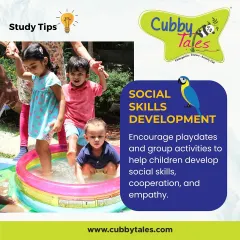
Our Educational Philosophy for Preschoolers
Discover Our Preschool Philosophy in Vidyaranyapura
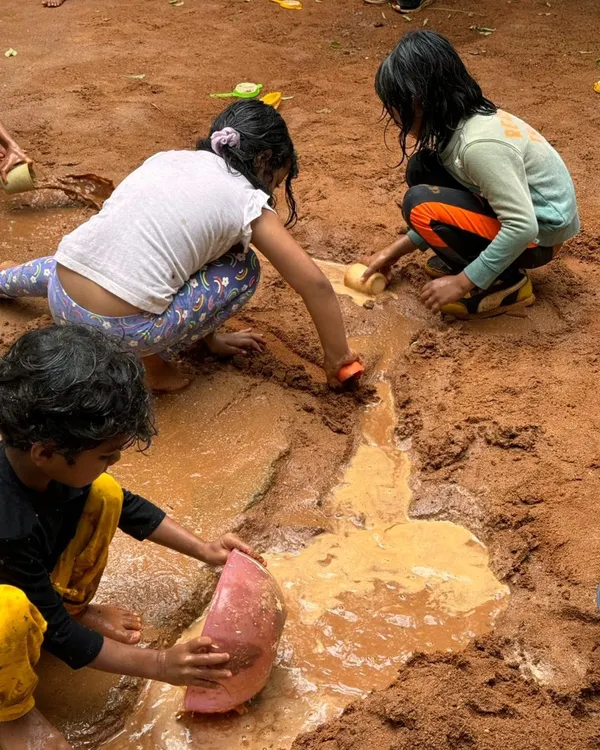 12
12
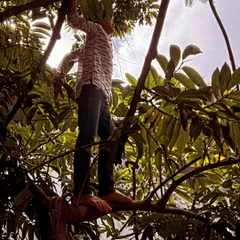
The Freedom of Play: Unstructured Nature-Based Learning
Learning Through Joyful Discovery
More from Play-Based Education Programs by Papagoya
More services by Papagoya