Positive Discipline and Habit Building Strategies
Raise confident, well-behaved children without shouting or hitting. We combine ancient wisdom with modern neuroscience to help you build character from within.
In this conversation with expert Divvya Kaur Gill, we discuss the solution for discipline without hitting. It is possible to raise a well-behaved child while keeping your calm and strengthening your connection.
Why do we want our children to have good habits? It's not for 'log kya kahenge' (what will people say), but to build trustworthiness and character. Here, I discuss the real motivation behind breaking bad habits.
A statutory warning for parents: Please do not shout, because your children are not deaf; they often choose not to listen. We teach you how to communicate effectively to avoid conflicts.
We often teach children to suppress emotions like anger and sadness. This video explores how that affects their ability to express love and other positive emotions later in life.
This powerful scene from 'Taare Zameen Par' highlights the healing power of 'khayal karna' (caring). A hug and a loving word are more powerful than any punishment.
A strong parent-child bond is built through shared activities. Here are six simple ideas, from reading together to involving them in chores, to enrich your life with happy memories.
About Positive Discipline & Habit Building
Stop shouting. When you hit or scream to get obedience, you are not teaching discipline; you are teaching your child that force is the only way to solve problems. It is a cycle that needs to break. We focus on connecting before correcting. My approach uses simple neuroscience to help you de-escalate tantrums and build habits—not through fear, but through understanding. Whether it is screen addiction or stubbornness, we replace reaction with a strategy that actually works.
Beyond the Tantrums: Why Punishment Fails
We often fall into the trap of 'log kya kahenge' (what will people say), pushing our children to behave out of fear. But children aren't deaf; they choose not to listen when they don't feel heard. In my habit-building masterclasses, we strip away the need for physical punishment or yelling. It is about emotional regulation for both of you. When a child acts out, they aren't trying to give you a hard time; they are having a hard time. Our role is to be their anchor.
The Science of Habit Formation
We use a neuroscience-backed approach to help your child replace negative traits with positive ones. From breaking screen addiction to stopping nail-biting, we design reward systems that foster internal motivation.
- For Toddlers (0-3 years): We focus on establishing sleep cycles, solid food introduction, and gentle milestones.
- For Children (4-12 years): We implement 'No-Hit' discipline frameworks. We use role-play scenarios so you can practice remaining non-reactive during conflicts, de-escalating the situation before it explodes.
Why 'Khayal Karna' Matters
As seen in the 'Taare Zameen Par' example, children thrive when they feel truly seen. We teach parents to move from being 'authorities' to 'partners.' Fathers, this is for you too. Parenting is not a side job; it is active participation. Whether you are dealing with teenage rebellion or toddler defiance, my courses provide the roadmap to build a home where love, not fear, is the primary motivator. We don't just fix behavior; we build a foundation for life.
Similar work from other experts
Browse through Curated picks from other experts on mytribe
Practical Gentle Parenting Tips That Actually Work
 6
6Masterclasses & Courses in Conscious Parenting
Practical Tools for Holistic Growth
Yogic Parenting: Tools for Conscious Connection
Nurturing Emotional Intelligence in Early Childhood
 13
13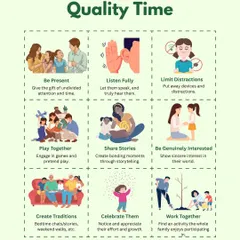
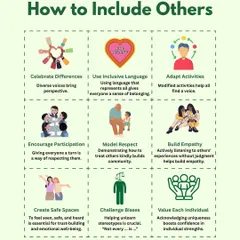
Nurturing Hearts and Minds: Practical SEL Resources
More from Parenting Coaching by My Shishu
More services by My Shishu