Debunking Common Myths About Breastfeeding and Newborn Care
Parenthood is full of conflicting advice, from what you eat to how you feed your baby. We help you filter the noise with evidence-based facts.
As a new mother, it can feel like your every meal is under surveillance, with relatives and society offering unsolicited advice. Comments like "Don't eat rajma, the baby will get gas!" can create unnecessary anxiety.
Let's look at what's actually on your baby's plate. Your breastmilk is made from nutrients in your bloodstream, not the food sitting in your stomach. That rajma curry isn't teleporting to your baby.
Can flavours sneak through to your breastmilk? Yes, strong flavours like garlic or spices can subtly influence the taste, but this is not harmful. In fact, it can help your baby develop a more diverse palate early on.
Here is the real menu you should order from: whole grains, protein, and veggies. What's off the menu unless advised by a doctor? Food restrictions and societal drama.
The bill at "Judgemental Junction" often includes guilt, anxiety, and confusion, served by "Side-Eye Society." We're here to help you leave that table and eat well with confidence.
During a hot Indian summer, it's a common concern: "Won't my baby get dehydrated without water?" This is a frequent piece of advice from older generations, but modern science tells a different story for exclusively breastfed infants.
The truth is, breastmilk has all the water your baby needs, even in intense heat. It is composed of nearly 88% water, which is perfectly sufficient to keep your baby under six months fully hydrated.
When your baby is exclusively breastfed, you can confidently say they do not need extra water. Offering water can interfere with their milk intake and even pose health risks.
For babies under 6 months, breastmilk alone is the perfect source of hydration. The composition of your milk naturally adapts to your baby's needs, providing both the "watery" foremilk to quench thirst and the "fatty" hindmilk for nutrition.
"You're sick, should you pause breastfeeding?" This is a well-intentioned but misguided question. In most cases, continuing to breastfeed is not only safe but beneficial for your baby.
About Busting Common Myths
It is completely normal to feel overwhelmed by the volume of advice you receive from family and friends. Whether you are wondering if your diet truly affects your breastmilk or if your baby needs extra water during a heatwave, you deserve answers rooted in science rather than old wives' tales. Our team offers clear guidance to help you make decisions that feel safe, confident, and comfortable for both you and your little one.
Sorting Fact from Fiction
When you are a new parent, everyone seems to have an opinion on how you should care for your baby. While most advice comes from a place of love, it can often lead to unnecessary anxiety. We are here to help you navigate this phase with clarity.
The Food Freedom Myth
Society often suggests that breastfeeding mothers must follow strict diets, avoiding foods like rajma or spicy curries to prevent gas or discomfort in the baby. In reality, your breastmilk is produced from nutrients in your bloodstream, not directly from the food sitting in your stomach. Unless your baby shows a genuine medical allergy, you do not need to restrict your diet. Nourishment and rest are far more important than fearing your dinner plate.
Hydration Facts for Infants
One of the most persistent myths is that breastfed babies need extra water during hot summers. Breastmilk is composed of nearly 88% water and provides all the hydration a baby under six months requires. Offering additional water can actually interfere with their milk intake and increase the risk of infection. You can trust your body to provide exactly what your baby needs.
Looking Past Tradition
Traditional remedies, such as Janam Ghutti, have been passed down for generations. However, modern medical investigation often reveals that these concoctions can contain heavy metals, sedatives, or alcohol. When it comes to your baby's health, relying on proven medical guidance is safer than following traditional practices that lack scientific support.
Breastfeeding While Sick
If you come down with a cold or the flu, it is natural to worry about passing it to your baby. However, in most cases, you should continue to breastfeed. As your body fights the illness, it produces antibodies that are passed through your milk, effectively helping to boost your baby's immunity. Taking simple precautions like handwashing is usually sufficient protection.
Similar work from other experts
Browse through Curated picks from other experts on mytribe
Expert Breastfeeding Advice and Myth Busting
Breastfeeding Guidance & Support
 6
6
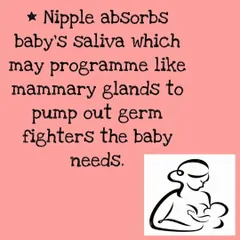
Practical Guidance on Infant Feeding and Nutrition
 7
7

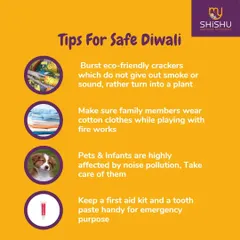
Parenting Facts, Myths, and Practical Care Tips
Newborn Care & Breastfeeding: Real Support for the Fourth Trimester
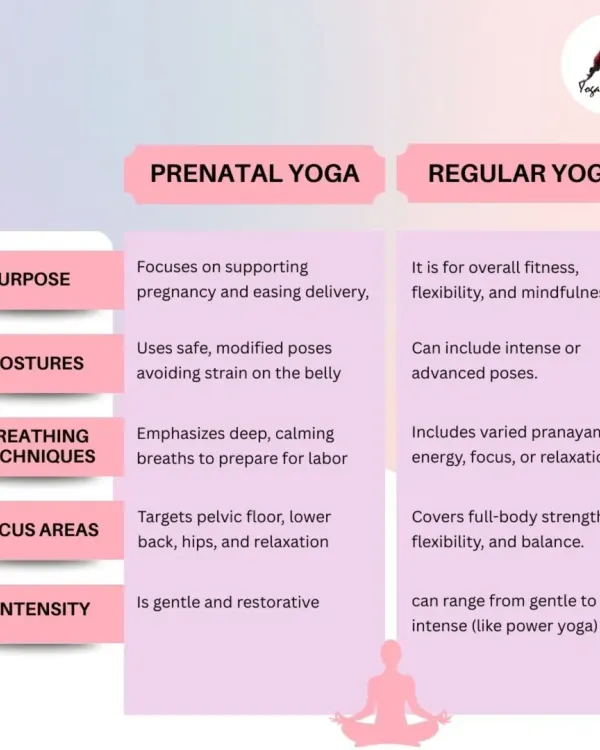 9
9
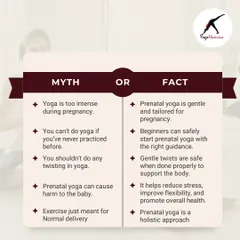
Pregnancy Wellness and Expert Q&A
More from Lactation & Infant Feeding Support by Motherhood Hospitals
More services by Motherhood Hospitals