Behavior Modification for Reactive and Anxious Dogs
If your dog lunges on walks, cowers at noises, or struggles with anxiety, you are not alone. I use trauma-informed, positive reinforcement methods to help reactive dogs find their calm and feel safe again.
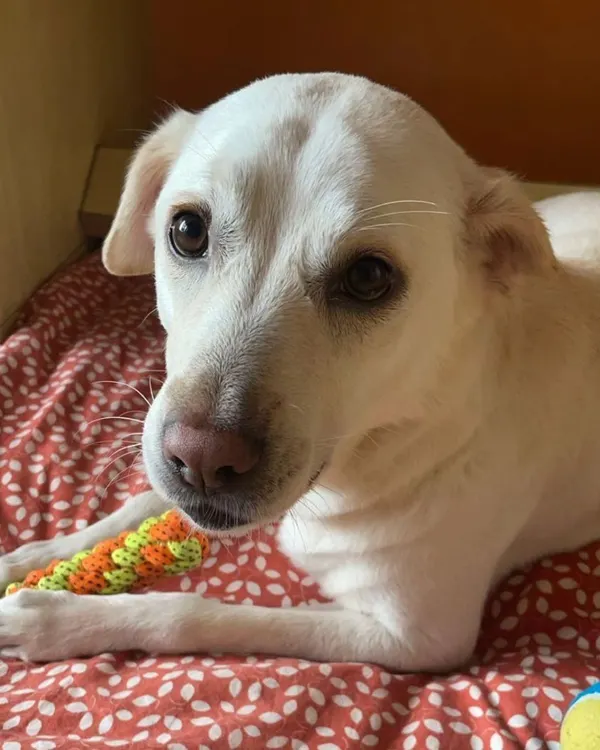
This is Juno, a 4-month-old puppy who was so fearful he would hide at the slightest noise and refused to leave the house. My first step in any behavior modification case is to build trust and help the dog feel safe in their environment.
Progress with a nervous dog is measured in small, brave steps. After our third session, Juno is now willing to step out of the apartment and explore the corridor on his own. We are slowly and patiently building his confidence to face the world.
This is Rocky, a sweet dog who is reactive towards other dogs on walks. While we work on his reactivity, mental stimulation is key to reducing stress. Here, he's trying a food puzzle for the first time and showing his natural problem-solving skills.
A negative first experience can have lasting effects. When Coco was a puppy, a trainer threw him into a pool, leaving him terrified. It took years of patient, positive work to help him get comfortable with water again. This is why I never force a dog to face their fears.
Confidence isn't just built with treats. Simple exercises, like walking on unstable surfaces, can dramatically improve a dog's balance, coordination, and self-assurance. Here, we turned a construction site into a confidence-building course, ensuring it was safe for exploration.
About Behavior Modification: Help for Reactive & Anxious Dogs
Behavior modification isn't about 'fixing' a dog. It’s about uncovering why they react and building a bridge of trust. Whether it’s noise sensitivity like Juno or leash reactivity like Rocky, my approach ignores quick fixes in favor of slow, steady desensitization. We start exactly where your dog is, not where you want them to be, ensuring they feel safe rather than forced.
When you have a dog struggling with reactivity, aggression, or separation anxiety, the walk becomes a stressor instead of a joy. My work begins with a 90-minute diagnostic session where I analyze body language and stress signals to identify the root cause of the behavior, rather than just suppressing the symptoms.
My Approach to Anxiety
I believe in 'Train, Don't Complain.' We don't use force, intimidation, or fear-based techniques. Instead, we use a combination of management and modification:
- Environment Management: We identify what triggers your dog and set up their environment to prevent 'behavior rehearsal' (the dog practicing the unwanted behavior).
- Desensitization: We introduce your dog to scary stimuli at an intensity they can handle, slowly building up their tolerance.
- Counter-Conditioning: We change their emotional response from 'I'm scared' to 'I'm safe' using high-value rewards.
What to Expect
If you are in Bengaluru and struggling with a dog who is reactive to other dogs or nervous around strangers, we can meet for a home consultation or at my facility in Rajajinagar. After our assessment, I provide a detailed report and a structured plan. We might use tools like long lines or Martingale collars to keep your dog safe while they learn, but the real work happens in the connection you build during our sessions.
Whether it’s helping a puppy like Juno overcome noise phobia or teaching a reactive dog like Rocky to engage with you instead of the environment, progress is built in small, brave steps. If you are ready to stop managing your dog's reactions and start addressing the cause, let's talk.
Similar work from other experts
Browse through Curated picks from other experts on mytribe
Helping Reactive Dogs Find Their Calm

Overcoming Your Dog's Anxiety and Fearful Behavior
 4
4

Solving Tricky Dog Behaviors with Patience
Help Your Reactive Dog Find Calm and Confidence

Helping Your Reactive Dog Find Calm
Building Confidence and Independence: Expert Training for Anxious Dogs
More from Dog Training & Behavior Modification by Deepthi
More services by Deepthi