Practical Life Skills: Montessori Learning in Action
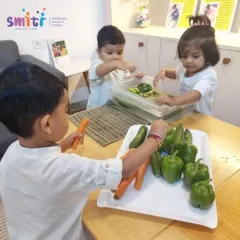
In our Montessori classrooms, children learn independence by doing real, everyday tasks. From chopping vegetables to sorting seeds, these hands-on activities build fine motor skills, focus, and a sense of personal responsibility.
Our freshers explore the journey of corn from husk to plate. This hands-on activity of peeling corn builds fine motor skills, patience, and an understanding of where food comes from.
Our junior students take charge of making their own chaat. This activity involves chopping, mixing, and seasoning, which enhances their coordination and introduces them to different flavors.
The bhelpuri making activity is a classroom favorite. Students of all ages practice their practical life skills by cutting vegetables, mixing ingredients, and serving the tasty snack.
Little chefs at work making delicious bhelpuri. This group activity encourages teamwork, sharing, and following instructions, all while creating a healthy and fun snack.
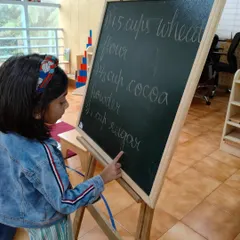
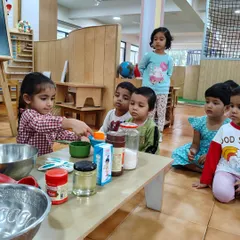
Our youngest learners enjoy their first cooking activity, making a simple and delicious banana and chocolate dip. It's a fun, messy, and memorable introduction to practical life skills.
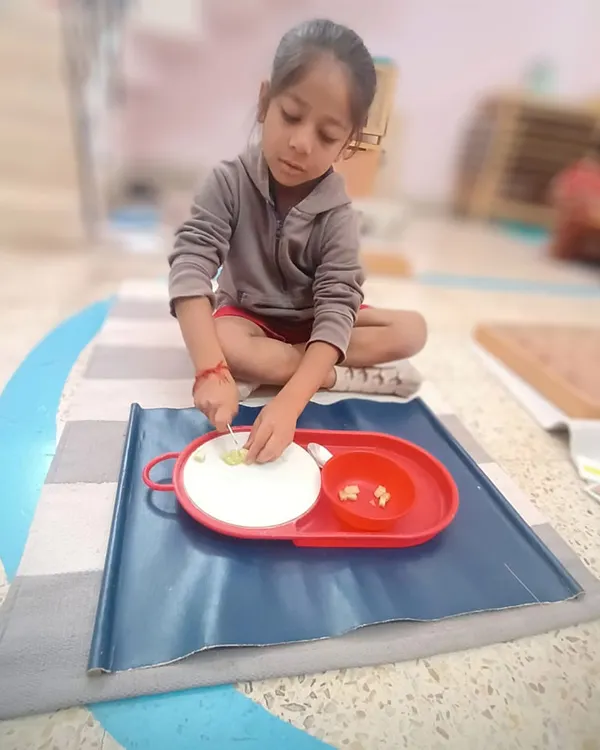
Our playgroup children had a blast making their own fruit salad. They practiced slicing soft fruits like bananas and mixing them, learning about healthy food preparation.
The fruit salad activity continues with children mixing different fruits in a bowl. This simple task teaches them about combining ingredients and develops their coordination.
Focused and engaged, our little ones carefully chop bananas and grapes for their fruit salad, developing precision and control with child-safe knives.
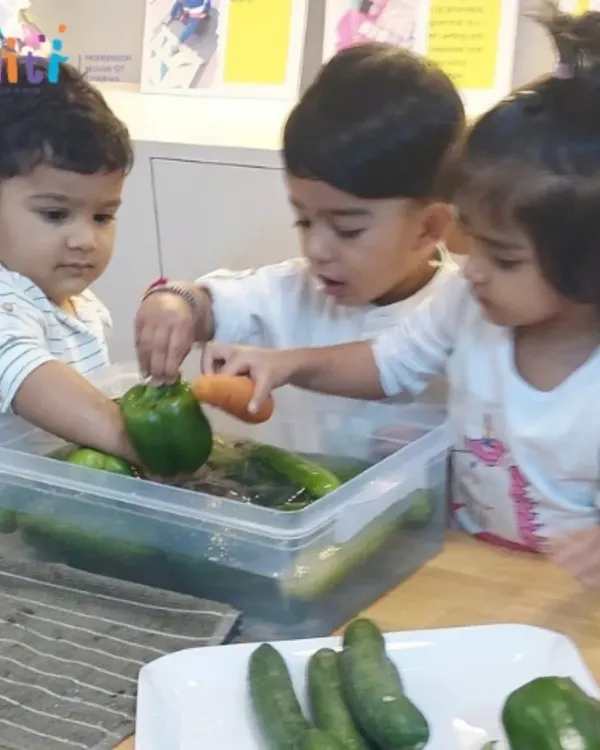
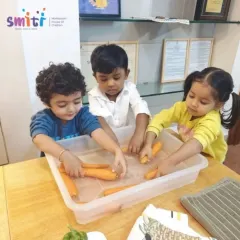
Washing potatoes is a purposeful sensory and practical life activity. Children learn the importance of cleaning food before cooking while developing their motor skills.
Shelling boiled groundnuts is an excellent activity for refining fine motor skills and fostering concentration. It provides a tactile sensory experience and a healthy snack.
About Learning Through Life: Practical Skills
When your child peels a banana or shells peas here, they are not just helping in the kitchen, they are refining their pincer grip, which is a direct preparation for holding a pencil later. We use these real-life tasks to build the concentration and coordination that form the foundation for all their future academic learning.
At Global Montessori Centre, Practical Life is not a separate subject. It is the rhythm of our daily environment. We believe that when a toddler carefully transfers water or chops vegetables with a child-safe knife, they are building an internal map of how the world works.
Our curriculum in HSR Layout specifically includes tasks that adults might consider chores, such as shelling boiled groundnuts, washing potatoes, or setting the table. For a three-year-old, these are complex challenges. They require patience, sequencing, and intense focus. By completing these cycles, children develop executive function, which is the ability to plan and execute a multi-step task, essential for later academic success.
Why these skills matter:
Fine Motor Development: Activities like plucking curry leaves or peeling corn strengthen the hand muscles and the pincer grip, providing the physical strength needed for writing.
Confidence and Independence: When a child prepares their own snack, they move from being a passive recipient of care to an active participant in their environment. This fosters deep self-confidence.
Sense of Order: Sorting, matching, and cleaning up teach children that their actions have an impact on their surroundings, fostering a sense of stewardship.
We document these moments not just to capture a photo, but to show parents the progress in their child’s ability to handle tools and manage their own needs. It is quiet, focused work that prepares them for a lifetime of learning.
Similar work from other experts
Browse through Curated picks from other experts on mytribe
 31
31
Practical Life Skills and Child Independence
Practical Life Skills for Toddler Independence
 37
37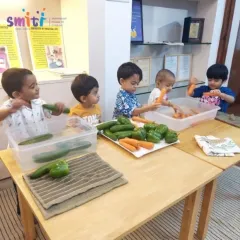
Building Independence Through Montessori Practical Life Skills
Practical Life Skills for Early Independence
Practical Life Skills: Montessori Learning by Doing
Practical Life Skills: Montessori Fireless Cooking Activities
More from Toddler & Playgroup Program by Global Montessori Centre and Play Home
More services by Global Montessori Centre and Play Home