Chemical Peels: The Science of Real Skin Renewal
Chemical peels are often misunderstood. When performed by a doctor, they do not thin your skin; they stimulate collagen and reveal healthier, stronger layers. Here is the reality of how they actually work.
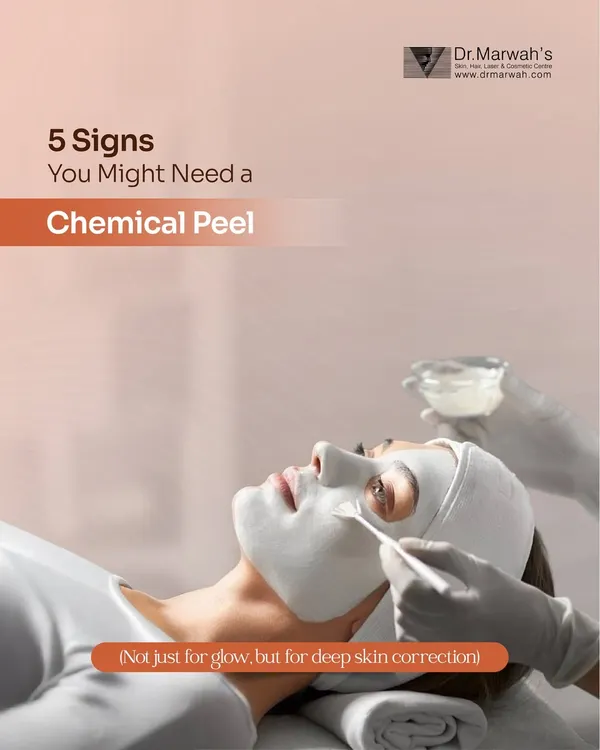
This is your 'Chemical Peels 101' guide, designed to answer all your questions. Here you can see a peel being professionally applied, a process that is controlled, safe, and tailored to the patient's skin.
Let's start with the basics: What are chemical peels? They are medical treatments that use controlled exfoliation to remove damaged surface cells. This process stimulates new cell turnover and collagen production, improving overall skin quality.
A common question I get is whether chemical peels are safe for Indian skin. The answer is yes, but only when the correct peel and strength are chosen by a doctor. The wrong choice can cause pigmentation, which is why professional guidance is essential.
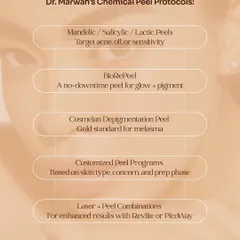
It is important to understand that there are different types of chemical peels. Most patients only need superficial or medium-depth peels for concerns like glow, acne, or mild pigmentation. Deep peels are rarely used and require strict medical supervision.
Who can benefit from chemical peels? This treatment is effective for a wide range of concerns, including acne and acne marks, pigmentation, dullness, enlarged pores, and even early signs of aging.
What happens during a peel session? The process is quick and controlled. It involves a skin assessment, cleansing, peel application, neutralization, and detailed guidance on post-procedure care to ensure a safe and effective outcome.
"Do chemical peels thin out your skin?" This is one of the most common fears I hear in my clinic. Let's address this myth head-on.
No, chemical peels do not thin your skin. In fact, when done correctly by a professional, they do the opposite by stimulating collagen and making the skin healthier and stronger over time.
This image shows what chemical peels actually do. They remove damaged surface cells, stimulate new cell turnover, and trigger collagen production in deeper layers. The result is healthier, thicker, and stronger skin.
Where does the myth about peels thinning skin come from? It's often due to confusion between professional peels and the effects of things like steroid creams, or the temporary sensitivity after a session. Peeling does not equal thinning.
About The Science of Chemical Peels
After a peel, the most important rule is to keep your hands off. Peeling is your skin's natural way of shedding damaged layers, and picking at them often leads to irritation or stubborn dark spots. Your only job post-treatment is to stay consistent with moisturizer and sunscreen, allowing your skin to heal without interference.
The Reality of Chemical Peels
Many patients ask, "Will this thin my skin?" The answer is a hard no. When I perform a chemical peel, I am using a controlled medical acid to remove damaged surface cells. This triggers a healing response that stimulates collagen production, resulting in thicker, healthier skin over time. The myth likely comes from confusion with steroid cream misuse or the temporary sensitivity immediately post-procedure.
My Approach to Peeling
I do not believe in a one-size-fits-all protocol. Before we start, I assess your skin type, history, and goals.
- Assessment: We look at your skin barrier integrity and identify the primary concern—be it active acne, post-acne pigmentation, or dullness.
- The Peel: I select the specific acid cocktail (like Glycolic, Lactic, or Mandelic) and concentration that fits your needs. This is done under strict supervision to ensure efficacy without the risk of burns or hyperpigmentation.
- Post-Care: This is where the treatment succeeds or fails. You will receive a clear, simple protocol. No complex 10-step routines, just effective protection.
Who Needs a Chemical Peel?
This treatment is effective for a variety of concerns when used correctly:
- Acne Marks: Helps fade post-inflammatory hyperpigmentation.
- Uneven Texture: Smoothes out rough, dull skin.
- Early Aging: Stimulates turnover for a fresher, brighter complexion.
If you are looking for a quick, viral 'glass skin' hack, this is not it. If you want a medically supervised, science-backed approach to real skin health, let's discuss if a peel is the right step for you.
Similar work from other experts
Browse through Curated picks from other experts on mytribe
 4
4
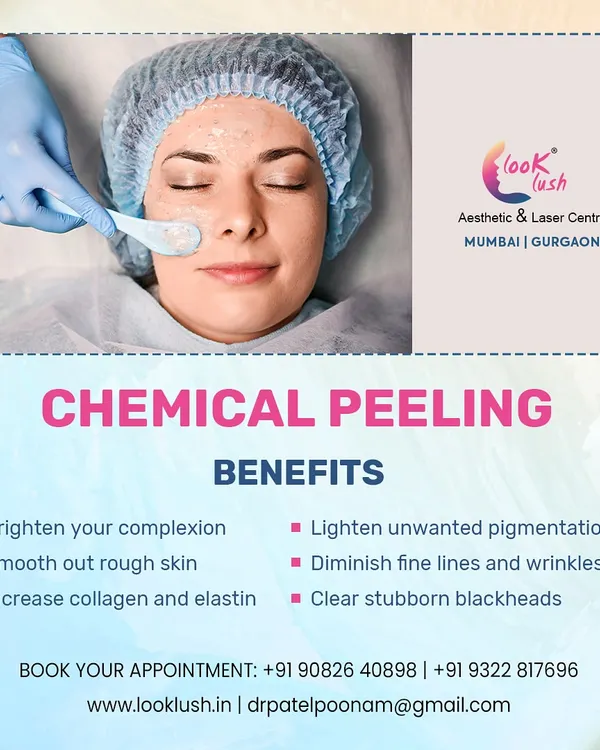
Chemical Peels and Pigmentation Treatment in Mumbai & Gurgaon
 7
7

Skin Renewal: Chemical Peels & Microneedling
Targeted Chemical Peels for Acne, Tan & Pigmentation
Medical-Grade Facials and Chemical Peels
Professional Chemical Peels & Medi-Facials for Clear Skin
 7
7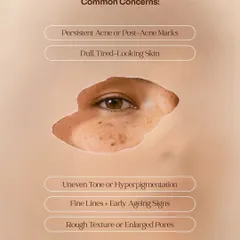
Skin Resurfacing for Texture and Clarity
More from Signature Glow & Brightening Treatments by Saloni Vora-Gala