Essential Mobility Routine for Runners
I don't believe in shortcuts. A strong run starts with how you prepare your body. These are the 12-minute mobility drills I use every single day to stay injury-free and improve my stride.
This video demonstrates the Inchworm to Push Up and the World's Greatest Stretch. These are dynamic movements that warm up the entire body, focusing on hamstring flexibility, core stability, and thoracic spine mobility.
Here, I'm performing Glute Bridges and IYTW raises. Activating the glutes is critical for powerful running, while IYTWs help strengthen the upper back and improve posture, which is often neglected by runners.
This clip shows the Kneeling Hip Flexor to Hamstring Stretch and a seated Lat Stretch. Tight hip flexors and lats can ruin running form, so we work on them consistently to ensure a fluid and efficient stride.
About Essential Mobility for Runners
Most runners skip the warm-up, but that is exactly how you end up with tight hips or sore hamstrings. I focus on specific transitions—like the inchworm to push-up or the kneeling hip flexor stretch—because they unlock the range of motion you need for a fluid stride. My goal isn't just to stretch you out; it is to wake up the muscles you actually use while running so you can push harder without the pain.
Why Mobility Matters
I never liked running when I started. It took me a long time to understand that if you want to run faster or longer, you cannot just run. You have to build the capacity to do it. Mobility isn't about being flexible for a pose; it is about function. If your hip flexors are tight, your stride will always be short. If your thoracic spine is stiff, your form will break down the moment you get tired.
The Daily Routine
I do this 12-minute routine every morning, even on rest days. Consistency matters more than the intensity of the workout.
- Inchworms to Push-ups: This is my go-to for warming up the hamstrings and engaging the core simultaneously.
- Glute Bridges & IYTWs: Runners often have weak glutes and poor posture. Glute bridges fix the firing patterns, while IYTWs help with the upper back strength required to hold good form.
- Kneeling Hip Flexor to Hamstring Stretch: This is the most critical sequence for runners. It opens up the front of the hip, allowing for a longer, more powerful stride.
My Approach
There are no magic tricks. If you have a race coming up, like a 10k, these movements become part of your non-negotiable preparation. We do this to ensure that when you hit the pavement, your body is ready to hold the pace you want without breaking down. I don't care how fancy your shoes are; if your hips don't move, your performance will suffer. If you are struggling with tight areas or your form feels heavy, we should look at your mobility first.
Similar work from other experts
Browse through Curated picks from other experts on mytribe
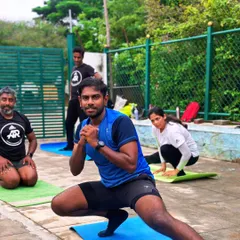
Mobility, Core and Activation Training for Runners
Essential Warm-Up Routines for Dancers and Movers
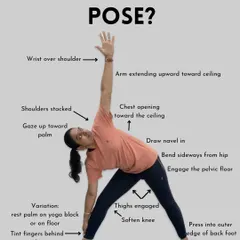
Essential Exercises and Stretches for Mobility and Pain Relief
Active Recovery & Injury Prevention Strategies
The Science of Running: Strength, Technique & Injury Prevention
Flexibility and Mobility Training
More from Running Coaching by Rohit Chaudhary
More services by Rohit Chaudhary