Professional Music Practice Tips for Faster Growth
Stop relying on luck and start building your craft. These practical tips from our academy cover effective recording techniques and ear training exercises to help you sound better, faster.
Here are some quick music tips that can change your practice forever. This series of graphics will give you actionable advice to improve your skills.
A key tip for faster growth is to record yourself while practicing. It helps you hear what others hear and reveals issues with tone, pitch, and breath control, building self awareness.
Here is a pro tip from me: even professionals record every take. Don't chase perfection, track your progress. Celebrate small improvements daily, because growth begins the moment you listen to yourself.
Why does recording your practice work? It gives you instant feedback, improves voice modulation and clarity, and boosts your confidence before you get on stage.
This graphic introduces our ear training tips. Can you identify notes by ear? Let's train your musical instincts to sharpen your listening skills.
To master your musical ear, you need to practice recognizing intervals, identifying pitch differences, catching rhythm accurately, and building tonal memory. The more you listen, the better you sing.
Here are some simple exercises to master your musical ear. Play two notes and guess which is higher. Hum a tune from memory. Listen to background instruments separately.
Why does ear training matter? It improves your pitch accuracy, enhances your ability to improvise during performances, and builds strong musical confidence.
About Pro Tips from the Academy
Most students think they just need to practice more, but the secret is not just time—it is active listening. Recording your own practice sessions is the fastest way to spot issues with pitch, tone, and breath control that you otherwise miss while performing. It turns your practice from a blind effort into a diagnostic process, allowing you to fix mistakes immediately rather than ingraining them.
Why Your Practice Might Be Stalled
Many students come to me thinking they lack natural talent. The truth is that music is 90% discipline and 10% instinct. If you are repeating a song without improvement, you are likely repeating the same errors.
The Power of Self-Recording
You cannot fix what you cannot hear. When you sing or play, your brain is busy managing technique, which makes it hard to judge your own output.
- Record Every Session: Use your phone. Even a basic voice memo works.
- Critique Objectively: Listen back and ask, "Is my pitch sliding?" or "Am I running out of breath here?"
- Track Your Progress: Keep a log of these recordings. You will notice immediate changes in your voice modulation and clarity within a week.
Sharpening Your Musical Ear
Ear training is the foundation of improvisation. You need to distinguish intervals, recognize pitch changes, and build tonal memory.
- Interval Practice: Play two notes on a keyboard and identify which is higher.
- Melodic Recall: Hum a tune you just heard to test your retention.
- Layer Isolation: Listen to a track and focus only on the bassline or percussion to separate instrumentals.
At our studio in Harmony Mall, Goregaon, we integrate these techniques into every session. Whether you are prepping for a stage performance or learning for well-being, the goal is always the same: building a musician who understands their craft from the inside out.
Similar work from other experts
Browse through Curated picks from other experts on mytribe
Master Your Instrument: Practical Music Tips & Techniques
Expert Music Tips & Learning Guides

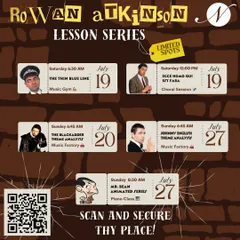

Music Theory & Technique Workshops: Master Your Craft
Quick Tips & Licks: Master Your Instrument with Taaqademy
 55
55
Music Lessons and Guided Practice in Whitefield
 6
6From Classroom to Professional Recording Studio
More from Instrumental Music Lessons by Vaishali Made Music Academy
More services by Vaishali Made Music Academy