Growing Auspicious Plants at Home
Bring positive energy and greenery to your space. From Tulsi to Shami, I will show you how to keep these sacred plants thriving on your own balcony or terrace.
In this video, I talk about four important plants for the month of Sawan: Belpatra, Tulsi, Aparajita, and Shami. I explain their significance and how to care for them.
The Shami plant is considered very auspicious and is said to please Lord Shani. I share tips on how to keep it green and healthy using organic compost and Epsom salt.
Growing Tulsi from seed is a sacred and rewarding process. I show you the simple steps to cultivate this holy plant in your own home.
This is a Belpatra tree, whose leaves are offered to Lord Shiva. I can guide you on how to grow this important tree, even in an urban garden.
This video shows the flower and seeds of the Kala Til (Black Sesame) plant, which is also used in many auspicious rituals.
The unique, bi-colored flower of the Shami plant, seen against the backdrop of the city. It's a beautiful and hardy plant.
A close-up of the fluffy pink and yellow Shami flower.
Another view of the Shami flower, showing its delicate structure.
A single Shami flower, a symbol of good fortune.
This video shows how to collect seeds from a Mor Pankhi (Thuja) plant, another popular plant in Vastu.
About Auspicious Plants for Your Home
You don't need a massive garden to keep auspicious plants healthy. Many people struggle with yellowing leaves on their Shami or Tulsi plants, but it’s usually a soil issue, not bad luck. I use a simple mix of organic compost and neem cake powder, and it works like magic for consistent growth.
Auspicious plants are more than just Vastu-compliant decor. They bring a sense of peace to your home, but let’s be real—some of these can be fussy in an urban environment.
Why These Plants Need Care
Take the Shami plant, for instance. Many bring it home for good fortune, but it needs consistent sunlight and proper soil aeration to really bloom. If your Shami is looking dull, it’s not bad energy, it’s likely root-bound or missing a nutrient boost. I always suggest adding Epsom salt once or twice a month to see a real difference in the green foliage.
Then there’s the Tulsi. It is essential in most Indian homes, but it often struggles during the winters. I’ve mastered growing Tulsi from seeds, and the trick is drainage. If water sits at the root, the plant will struggle. Using a lightweight, soilless potting mix with cocopeat and vermiculite helps the roots breathe and prevents fungal rot.
How I Can Help You
Whether you are setting up a small sacred corner on your balcony or trying to grow a Belpatra tree in a pot, I can guide you:
- Plant Selection: Picking the right spot for sun-loving vs. shade-loving sacred plants.
- Soil & Fertilizer: Getting that specific potting mix recipe right so your plants don't just survive, but flourish.
- Troubleshooting: Fixing yellow leaves, pest attacks, or stunted growth on your sacred collection.
Gardening shouldn't be stressful. My goal is to help you set up a system that is low-maintenance but gives high results. Just give your plants the right support, and you will see the difference in a few weeks.
Similar work from other experts
Browse through Curated picks from other experts on mytribe
 22
22

Vastu & Wellness Plants for Your Home


Sacred Plants for Vaastu Harmony
Vastu-Approved Indoor Plants for Your Home
Vastu & Lucky Plants for Your Home
 6
6
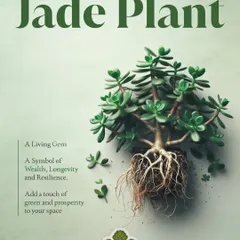
Vastu for Harmony and Prosperity with Plants

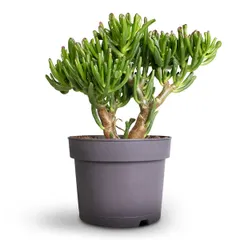
Vastu and Feng Shui Plants for Home Positivity
More from Urban Gardening Consultation by Bhardwaj
More services by Bhardwaj