Quick Tips for Dog Parents: Expert Advice for a Balanced Dog
Stop guessing what your dog needs. I’ve broken down the essentials of daily care and training into simple, actionable steps—from choosing the right gear to training with mealtime motivation.
"When should I start training my dog?" The answer is simple: the day you bring them home. I explain why age is not a barrier and how to start building a foundation for good behavior immediately, whether you have a puppy or an adult rescue dog.
"Is my dog too old to be trained?" Absolutely not. Dogs can learn at any age. I explain how I adapt my training for older dogs, like using their powerful sense of smell for fun and engaging nose work games.
Flat collar, choke chain, or e-collar? I discuss the different types of training collars and explain why I prefer a simple flat collar for most situations. It's about clear communication, not force.
"Why not train on a harness?" Harnesses were designed to encourage pulling. I explain the history of harnesses and why a neck collar provides much clearer feedback to your dog during obedience training.
Protecting your dog is your number one priority. This graphic outlines six key ways to keep them safe, including regular vet check-ups, vaccinations, and knowing the risks associated with their breed.
How can you tell if your dog is healthy? This simple guide shows you what to look for: bright eyes, a shiny coat, and smooth skin. These are the outward signs of good health and proper care.
The best time to train your dog is when they are most motivated. For most dogs, that's right before dinner time. Using their meal as a reward is a powerful way to keep them focused and eager to learn.
About Quick Tips for Dog Parents
If you are struggling to get your dog’s attention, stop training during random play-time and start training just before their regular meal. Think of their food as their salary—they will work ten times harder when they are hungry and motivated by a reward. It is a simple shift in psychology that works better than any high-value treat you can buy at a store.
Does age actually matter?
The short answer is no. Whether you brought home a 45-day-old puppy or adopted a 5-year-old rescue, the day they arrive is the day you start training. Older dogs are not stuck in their ways; they are just waiting for a leader to give them clear instructions. Do not use age as an excuse to avoid setting boundaries.
The Collar vs. Harness Debate
I see so many owners struggling with pulling, and 90% of the time, the culprit is the gear. Harnesses were originally designed for sled dogs to pull heavy loads. If you want a dog to walk calmly by your side, use a flat collar. It provides the direct, precise feedback a dog needs to understand your cues. Stop fighting the equipment and start using it for clear communication.
Signs Your Dog is Happy and Healthy
You do not need a vet visit to spot the basics of good health. Look for the simple signs: bright eyes, a shiny coat, and skin that is not itchy or inflamed. If you notice your dog acting lethargic, refusing to eat, or obsessively scratching, do not wait for it to get worse. Early intervention is always easier than fixing a major behavioral or health issue later down the line.
Have a specific question about your dog’s daily routine or behavior? Let's talk about it.
Similar work from other experts
Browse through Curated picks from other experts on mytribe
Puppy Parenting: A Guide to Training Your New Dog
Puppy Essentials: Build a Bond, Not Just Obedience
Puppy Essentials & First Steps: Raising Your New Pup


Starting Strong: Essential Puppy Socialization & Care Tips
Puppy Foundations: Start Your Dog's Training Right
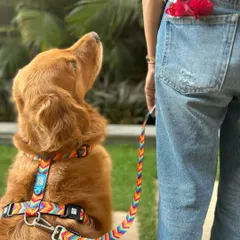

Choosing the Right Gear for Your Dog
More from Dog Training by Paras Tomar
More services by Paras Tomar