Parenting Tips and Insights for Raising Confident Learners
I believe learning isn't just about grades. Here are some practical tips I share with my Kumon parents in Jayanagar to help build focus, independence, and a genuine love for learning at home.
Here's a simple but effective study tip we teach our students. When a task feels too big, break it down into smaller goals. Celebrating each small achievement builds momentum and confidence.
This series explores why punishing children is often not the most effective approach. Instead, we advocate for positive parenting techniques that build understanding and cooperation.
This series explores why punishing children is often not the most effective approach. Instead, we advocate for positive parenting techniques that build understanding and cooperation.
When children are focused only on avoiding consequences, it can suppress their natural problem-solving skills. Our approach encourages them to think through challenges, not just fear mistakes.
When children are focused only on avoiding consequences, it can suppress their natural problem-solving skills. Our approach encourages them to think through challenges, not just fear mistakes.
It's important that discipline acknowledges a child's feelings. Punishing can often ignore the underlying emotions, whereas our method encourages understanding and communication.
It's important that discipline acknowledges a child's feelings. Punishing can often ignore the underlying emotions, whereas our method encourages understanding and communication.
The way we correct children can model behavior for them. We believe in guiding them constructively rather than using methods like yelling or shaming, which they might otherwise see as acceptable.
The way we correct children can model behavior for them. We believe in guiding them constructively rather than using methods like yelling or shaming, which they might otherwise see as acceptable.
Punishment can sometimes lead to compliance without true understanding. Our goal is to help children understand the 'why' behind their actions and learn from them, rather than just obeying out of fear.
About For Parents: Tips & Insights
The biggest shift I see in my students happens when parents stop micromanaging homework. Instead of hovering, try sitting nearby with your own book or task for just 15 minutes. This creates a parallel workspace, showing your child that focus is a practice, not a punishment. When you model that kind of quiet, steady attention, they start to mirror it during their own study time.
Building a study habit shouldn't feel like a battleground. Many parents come to me worried that their child lacks focus, but often, the issue is simply that the child feels pressured by constant corrections.
Moving Past the Punishment Cycle
When we focus only on avoiding mistakes, children become afraid to try. In my experience, shifting the conversation from 'Why did you get this wrong?' to 'How can we figure this out?' changes everything. It validates their feelings while encouraging the critical thinking they need for long-term success.
Practical Weekend Routines
I often advise parents to treat weekends as a time for momentum, not a total break from all learning. Even 20 minutes of dedicated study time—without gadgets nearby—can build a huge sense of accomplishment. The key here is consistency. A child who learns to tackle a small task independently on a Saturday is building the exact muscle they need for exam season later on.
Fostering Independent Learners
At our Jayanagar centre, my goal is always to get the child to a point where they don't need the teacher or parent to explain every line. By breaking large tasks into manageable daily segments, we reduce overwhelm. If you're struggling to help your child with their English comprehension or math homework, try this: ask them to explain the problem to you first. If they can teach it back, they've mastered it. If they can't, that is exactly where we need to focus our attention next.
Similar work from other experts
Browse through Curated picks from other experts on mytribe
My Philosophy on Learning and Parenting
 5
5


Tackling Exam Pressure with Confidence
 11
11

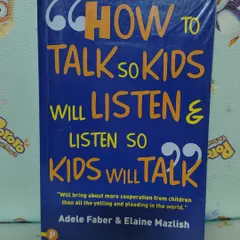
Raising Readers: Expert Tips and Parenting Resources
 14
14


Our Teaching and Parenting Philosophy


Smart Parenting Advice and Practical Family Tips
 5
5Parenting Insights and Simple At-Home Activity Ideas
More from Reading & English Language Program by Indu
More services by Indu