Expert Kitchen Design Tips for Safety and Longevity
Good kitchen design goes beyond looks. Learn the essential structural, safety, and ergonomic standards we use to ensure your kitchen stays functional for years.
Safety in the kitchen is non-negotiable. According to government norms, the gas pipeline must always be exposed for safety and easy maintenance. We also ensure proper chimney ventilation to maintain good air quality.
That awkward gap between your cabinet and the wall is a sign of poor planning. We use filler panels to close these gaps, giving your kitchen a clean, built-in look and preventing cabinet doors from hitting the wall.
Choosing the right colors and finishes is important for maintenance. Dark colors or high-gloss light colors are smart options as they are easier to clean. We also help you balance colors to avoid a cluttered look.
To make a small kitchen feel larger, keep it light and bright. Light-colored cabinets in white or beige and glossy finishes reflect light, making the space feel more open and airy.
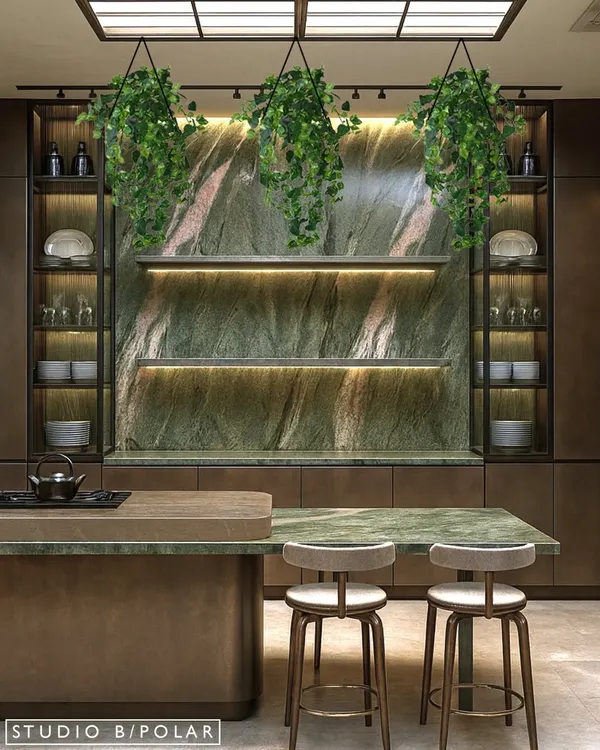
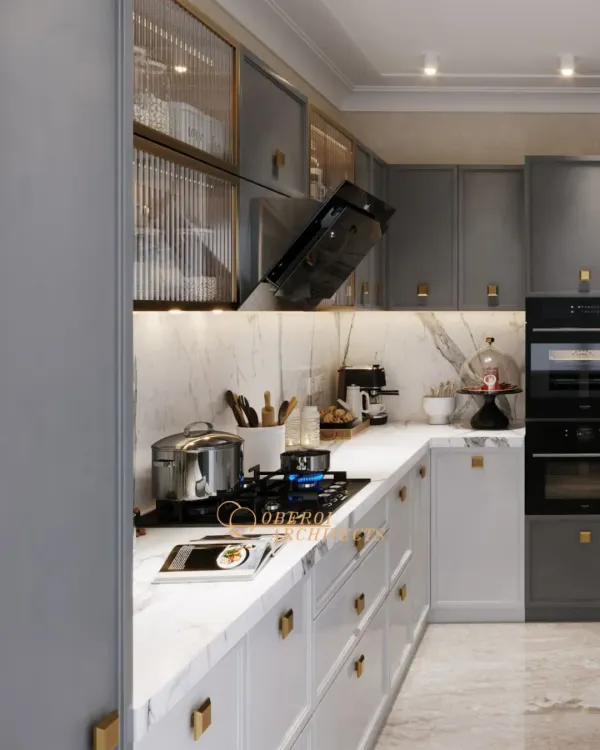
Adding glass elements is another great trick to create an illusion of depth. Glass cabinet doors make your space feel less cramped and allow for stylish displays.
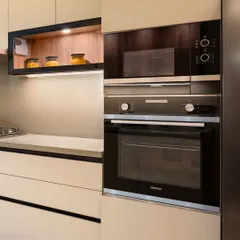
Built-in appliances are a win for both aesthetics and space. Integrating your oven, microwave, and fridge keeps the look sleek and seamless while saving precious counter space.
Good lighting can instantly make a kitchen feel bigger and more inviting. We recommend a combination of under-cabinet lights for tasks, pendant lamps for style, and maximizing natural light.
Your dream kitchen can turn into a disaster if you ignore a few key details. This series highlights common mistakes we help you avoid.
A common mistake is poor ventilation. Cooking generates heat and smoke, so a proper chimney or exhaust fan is essential to keep your kitchen comfortable and fresh.
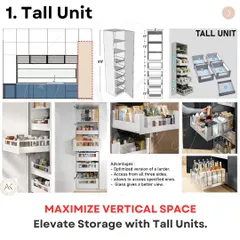
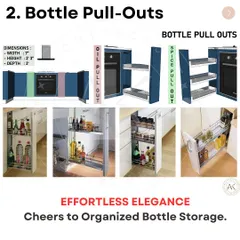
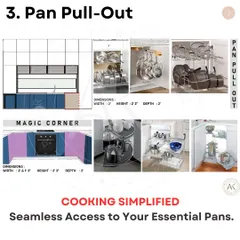
Inefficient storage planning leads to clutter and frustration. We avoid this by planning smart solutions like pull-outs and corner units from the very beginning.
About Expert Tips & Safety Standards
We often see clients wanting to hide gas pipelines behind cabinetry for a cleaner look, but that creates a major safety risk. Per government norms, gas pipelines must remain exposed for easy maintenance and leak detection. We integrate this requirement directly into our cabinet layout, ensuring your kitchen is compliant and safe without looking disorganized.
The difference between a kitchen that functions well and one that becomes a daily headache often comes down to technical planning. On-site carpentry frequently ignores critical 'guniya' (alignment), leading to jammed drawers and misaligned shutters within months.
When we design, we start with safety. Beyond just gas lines, proper chimney ventilation is non-negotiable. We always recommend core cutting at seven feet from the floor level to ensure efficient heat and smoke extraction. Without this, your kitchen cabinets will degrade faster, and the space will feel stuffy.
Storage is another area where small details make a big impact. A common mistake is leaving gaps between the cabinet and the wall. We use filler panels to eliminate these awkward spaces, creating a built-in, seamless appearance that also prevents doors from hitting the wall. This attention to detail extends to lighting—under-cabinet task lights and pendant lamps are not just for aesthetics; they are essential for safe, convenient cooking.
Finally, your choice of materials determines longevity. We use HDHMR boards and advanced hardware like Hettich or Hafele channels to prevent common issues like termite infestation and rattling doors. Our process moves the chaos to the factory, so by the time we reach your home, the installation is precise, clean, and fast. Whether you are choosing between acrylic finishes or textured veneers, we ensure every element serves a function, keeping your investment safe and your kitchen timeless.
Similar work from other experts
Browse through Curated picks from other experts on mytribe
Expert Modular Kitchen Tips and Material Guides
 7
7
Modern & Functional Kitchen Designs for Contemporary Homes
Practical Kitchen Design and Planning Guides
 26
26
Gourmet and Functional Kitchen Designs
 12
12
Custom Kitchen Designs That Blend Beauty and Utility
 7
7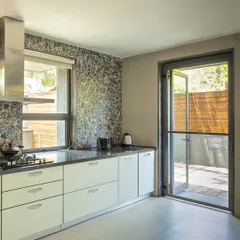
Kitchen and Dining Interior Design
More from Modular Kitchens by Guntier
More services by Guntier