Creating a 'Yes' Space: Montessori Tips for Your Child’s Room
A 'Yes' space isn't just about decor—it's about creating freedom within safe, intentional boundaries. Let's look at how setting up a child-sized environment fosters independence, calm, and creativity at home.
We decided to redo my daughter's wallpaper to prepare her for becoming a big sister. This is her at her new dresser, a space designed just for her.
The new wallpaper tells a story with whales, lighthouses, and explorers. The bunk bed is a "flip bed" that can be adjusted as the children grow.
A special detail in the new wallpaper was adding a little baby beluga to welcome our newborn, a sweet way to include him in her space.
A quiet moment with my daughter in her newly designed room. Creating a special space for her before the baby's arrival was our way of making her feel secure and loved.
She loves seeing herself as one of the little explorers in her wallpaper. This imaginative design has encouraged her to read more and dream up new stories.
The flip bed from Inlila World creates a beautiful space for rest. It can be used at a low height for toddlers and raised as they grow, making it a long-lasting investment.
This art table and pegboard create a dedicated space for my daughter to create and explore. Having her materials accessible fosters independence and creativity.
A child-sized dresser table and chair create a space for her to grow. It's her little corner for self-care routines, helping her build independence.
This little vanity area is her space for self-care. Having her own mirror and stool at her height encourages her to practice small routines independently.
A close-up of my daughter at her dresser. This child-sized furniture from Inlila World is designed to support her growing autonomy.
About Creating a "Yes" Space: A Montessori-Inspired Home
Most parents spend the day saying 'no'—don't touch that, don't climb there. A 'Yes' space changes that dynamic by redesigning the environment so your child can safely explore everything within reach. For instance, moving books to low, open shelves or using a dresser sized perfectly for their height builds confidence and lets them practice self-care without needing your constant help. It is less about buying expensive furniture and more about shifting the perspective so your home supports their growth, not your frustration.
When we talk about a 'Yes' space, we are really talking about setting the stage for autonomy. The goal is to minimize the need for 'no' by making the environment inherently safe and accessible. This is the heart of the Montessori approach at home.
The Principles of a 'Yes' Space
- Accessibility: If a child needs help to reach a toy, a book, or a hairbrush, they aren't independent. Everything they use daily should be at their eye and hand level.
- Order and Simplicity: Too many toys create chaos, not concentration. Rotate materials so your child isn't overwhelmed by choices.
- Safety as a Foundation: Once the room is baby-proofed and secure, you can stop hovering. That is where the 'Yes' comes in.
Practical Implementation
Start with the furniture. Items like a low 'flip bed' allow a child to climb in and out safely, promoting self-reliance during sleep and rest. A low vanity or dresser with a mirror is fantastic for self-care; it encourages them to look at themselves, practice brushing, and build a sense of self. We also use visual tools like pegboards to keep creative supplies visible and organized. When a child sees their own things arranged beautifully, they are naturally more inclined to look after them.
It’s About the Mindset
Designing these spaces is a way to tell your child, 'I trust you to handle your environment.' It reduces power struggles because the rules are built into the room itself. You don't have to police the space when the space is designed for success. Whether it is a dedicated art table or an organized wardrobe with categorized trays, these changes might seem small, but they significantly boost a child's confidence and focus.
Similar work from other experts
Browse through Curated picks from other experts on mytribe
 4
4
The Prepared Environment: Montessori Home Setup
Organized Kids' Rooms: From Toys to Study Nooks
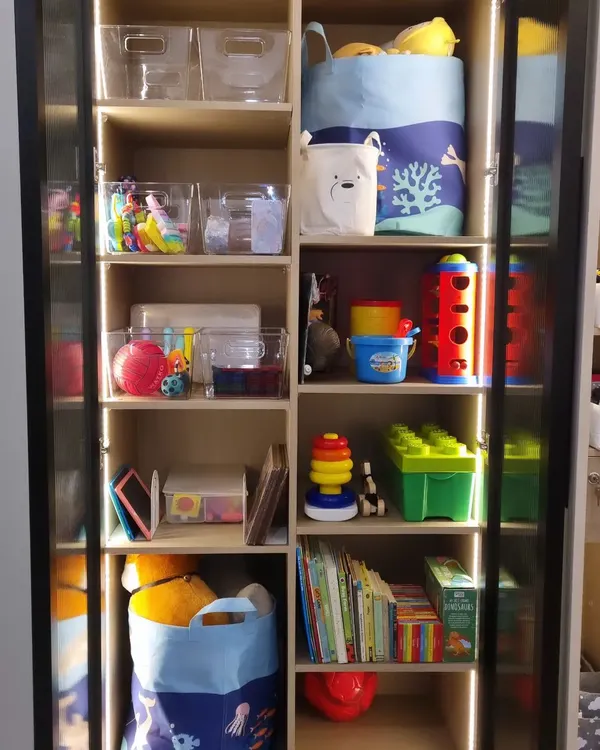 8
8Playful, Practical Kids' Spaces that Stay Organized
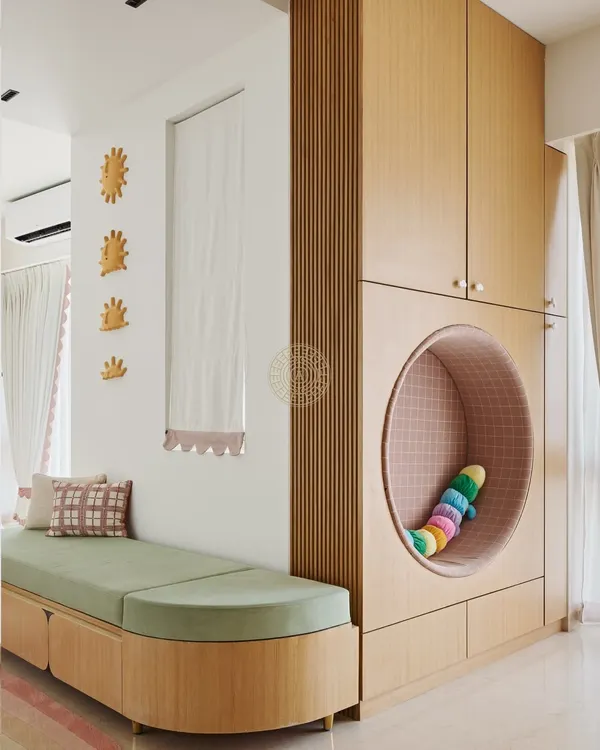 18
18
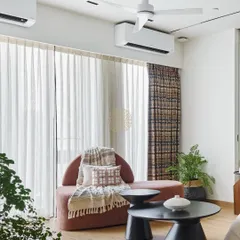
Playful & Practical Kids' Rooms That Grow With Your Child
 5
5
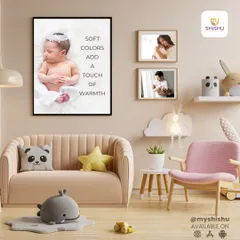
Designing Your Baby's Space for Development
 15
15
Our Child-Centric Spaces
More from Early Childhood Parenting Coach by Ankita B Chandak