Core Principles of Industrial Energy Efficiency
Efficiency is the first fuel. We break down the principles driving our work, from real-time data insights to building a more resilient energy ecosystem.
An image of a worker in a high heat industrial environment, highlighting the need for intelligent industrial efficiency. As industries ramp up production, smart cost reduction and efficiency become critical priorities.
A close up of complex electrical wiring in a control panel. This visual prompts the question of why efficiency should be a priority in any industrial or commercial facility.
A view looking up an electrical transmission tower, representing the traditional power grid. Our work focuses on creating "Grid 2.0," a more intelligent, decentralized, and efficient energy ecosystem.
About Additional Work
Most factories view energy as an unavoidable fixed cost, but our approach treats it as a variable that can be controlled and optimized. We start by gathering machine-level data to pinpoint exact waste, moving your operation away from guesswork toward precise, verifiable savings.
Our work is built on the belief that you cannot manage what you cannot measure. When we look at an industrial control panel or a high-heat manufacturing floor, we do not just see hardware. We see data points that tell a story of efficiency or waste.
The Shift to Grid 2.0
Our perspective on the energy grid is evolving. We are moving toward a 'Grid 2.0' model—a decentralized, intelligent ecosystem where individual facilities take responsibility for their own consumption. This isn't just about reducing carbon footprints; it is about creating a buffer against volatile energy prices and grid instability. By integrating IoT monitoring, your facility stops being a passive consumer and becomes an active, optimized participant in the energy market.
Why Data-Driven Efficiency Matters
Industrial efficiency is often misunderstood as a simple equipment upgrade. It is actually a process of precision. Whether it is optimizing a boiler system or analyzing harmonics in a transmission tower, our interventions are based on:
- Baselining: Establishing an accurate energy usage profile per IPMVP standards before making any changes.
- Attribution: Separating energy use between production hours and idle time.
- Verification: Using hard metrics to prove the return on investment for every retrofit project.
We focus on these principles because they provide the only way to sustain profitability in a competitive market. Sustainability is not just an environmental goal; it is a fundamental driver of operational reliability.
Similar work from other experts
Browse through Curated picks from other experts on mytribe
 9
9
Industrial Sustainability Through Smart Energy Monitoring
 8
8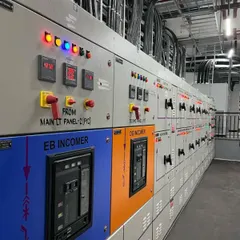

Smart Energy Monitoring & Industrial Power Solutions

Featured Energy Solutions and Utility Technologies


Solar Energy Insights and Engineering Standards
Proven Industrial Solar Success Stories
 30
30
Understanding Solar Technology, Efficiency, and Sustainability
More from Industrial Energy Management Solutions by Energeia
More services by Energeia