Emcee Technical Toolkit: Gear, Sound & Stage Prep
A great performance isn't just about charisma—it's about the tech. From picking the right mic to mastering acoustics, here is how I prepare my gear to ensure every word lands perfectly.
If you have to speak louder even with a mic, you're likely in an 'absorbing' room with carpets and curtains. I explain the difference between absorbing and reflexive rooms and why it's crucial to understand your venue during sound check. This knowledge helps protect your voice during long events.
Ever wonder why your voice echoes in an empty hall during sound check? It's because there's nothing to absorb the sound. I explain how the audience's bodies and clothing act as natural sound dampeners, fixing the acoustics for you once the event starts.
Never get on stage with a crumpled A4 sheet. A professional cue card is a must have. I explain the ideal dimensions (5x7 inches), what to print on it (just your logo and name), and why it's a critical tool for looking polished and prepared.
That speaker on the stage floor facing you is a stage monitor, and it's your best friend. It lets you hear exactly how you sound to the audience, so you can adjust your volume and tone. I explain why you should always do a sound check with the monitor on.
Hosting an outdoor event comes with its own set of challenges, especially wind. For my fellow female emcees, I recommend a sleek hairstyle and a fitted outfit. This ensures you're not distracted by fixing your hair or clothes and can focus on your performance.
Choosing the right microphone depends on the event. I break down the four main types: the handheld for crowd control, the lavalier for formal speakers, the headset for high movement activities, and the podium mic for keynotes. Each mic has a specific purpose.
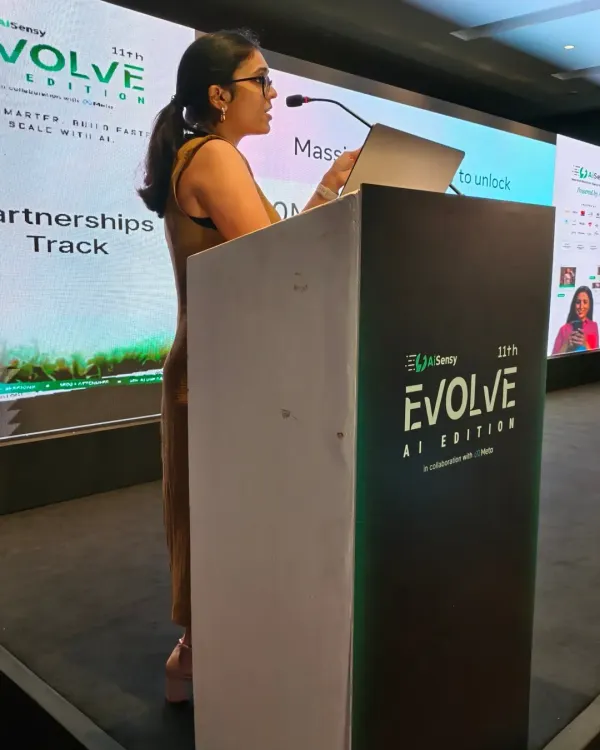
Here is my pre-show stage checklist. I cover six essential things to check before you step on stage, including podium height, confidence monitor visibility, sound check with the stage monitor, and the placement of chairs and stairs for seamless movement.
My pre-event preparation is a detailed process. It starts with a call to the event planner, researching the client, and then a deep dive call with the client to understand the audience, attire, and objectives. This is followed by scripting, customization, and a final script review to check all pronunciations.
Did you know you could be fined for playing Bollywood music at your event without a license? I explain the different types of licenses required, like PPL, Novex, and IPRS, and why it's crucial for anchors to check with planners about this before incorporating music into their games.
About The Emcee's Technical Toolkit
Your venue's acoustics change the moment guests walk in. In an empty hall, your voice might echo off marble, but once a crowd fills the room, their clothes and hair act as natural dampeners. If you hear an echo during your sound check, don't panic—it is likely just an empty space. Focus on your mic modulation, and let the crowd handle the acoustics.
The Anatomy of a Smooth Event
Being an emcee is 30% performance and 70% preparation. If you want a seamless show, you need to understand the tech that supports your voice. Here is what I always account for before stepping on stage.
Mic Selection: It's All About the Mood
Every event requires a different tool:
- Handheld: My classic go-to for crowd control and games. Keep it close to your mouth for clarity.
- Lavalier: Best for formal speakers who need hands-free movement. Remember, audio won't be as crisp as a handheld.
- Headset: Ideal if you're jumping, dancing, or moving a lot, but you'll need a handheld nearby for quick crowd interactions.
- Podium Mic: Use this for keynotes, but don't walk away while speaking.
The Cue Card Standard
Never show up with a crumpled A4 sheet. Carry your own backup. The golden standard is 5x7 inches on 300 GSM matte paper. Put nothing but your logo and name on the front. It looks professional, and nobody can read your notes from the audience.
The Legal Side: PPL, Novex & IPRS
If you are playing Bollywood or international music, do not skip the licenses. PPL covers most tracks, Novex handles Yash Raj/Zee labels, and IPRS is for live performers. Planners often forget this, but as the anchor, you should check for these licenses before incorporating music into your games. It saves everyone from heavy fines later.
Pre-Show Checklist
Before the event, I verify six things: podium height (use a block if it's too tall), confidence monitor visibility, stage monitor status, chair placement, stairs access, and DJ coordination cues. If you can see the DJ and the sound team clearly, you can control the flow, the volume, and the energy without breaking character.
Similar work from other experts
Browse through Curated picks from other experts on mytribe
The Art of the Emcee: Stagecraft and Adaptability
Mastering the Art of Audience Engagement
 22
22
Behind the Decks: My Professional DJ Setup and Sound Process
Behind the Scenes with Professional Emcee Vidhya
 5
5

Versatile Event Hosting and Creative Show Direction
 5
5
Professional Emcee for Conferences & Summits
More from Emcee & Public Speaking Coaching by Ruchi Shah
More services by Ruchi Shah