Advanced Peels & Light Therapy for Clinical Skin Rejuvenation
Improve skin tone, texture, and clarity with science-backed chemical peels and Photofacials designed for long-term skin health, not temporary fixes.
A chemical peel is a powerful tool for skin renewal, as shown in this treatment application. I use specific formulations to improve skin tone and texture, reduce active acne, fade post-inflammatory pigmentation, and reveal tighter, brighter skin.
This image shows a chemical peel being applied. I recommend these treatments every 4 to 6 weeks for patients looking to manage concerns like acne, pigmentation, and uneven texture as part of a long-term skin health plan.
A client receiving a Photofacial treatment. This procedure uses Intense Pulsed Light (IPL) to reduce wrinkles and fine lines, improve skin tone and texture, reduce redness from conditions like rosacea, and promote overall skin rejuvenation.
The Skin Rejuvenation Photofacial is a safe and effective way to refresh and renew your skin. This treatment uses gentle pulses of light to address skin concerns and has a strong safety record, making it suitable for regular maintenance sessions.
About Advanced Peels & Light Therapy
Before booking a chemical peel or Photofacial, understand that these are medical procedures, not standard spa treatments. I always conduct a pre-procedure assessment to determine the appropriate acid concentration or light wavelength for your specific skin type and condition, ensuring your skin barrier remains healthy while we address issues like pigmentation or active acne.
Understanding Clinical Skin Treatments
Unlike cosmetic facials that focus purely on surface-level hydration, advanced clinical treatments are designed to trigger physiological responses in your skin. Whether you are dealing with persistent pigmentation, acne scars, or uneven texture, my approach centers on identifying the root cause before selecting the right technology.
Chemical Peels for Targeted Correction
Chemical peels use medical-grade acids—such as Salicylic, Glycolic, or TCA—to accelerate cell turnover. This process exfoliates the damaged outer layers of the skin, promoting the growth of new, healthier cells. These are particularly effective for:
- Active Acne: Controlling breakouts by clearing pore blockages.
- Post-Inflammatory Pigmentation: Fading dark spots left behind by acne or sun damage.
- Fine Lines: Improving skin density and smoothness.
Photofacial (IPL) for Skin Rejuvenation
A Photofacial uses Intense Pulsed Light (IPL) to target deeper skin concerns without surgical intervention. The light energy converts to heat, which is absorbed by specific targets in the skin, such as melanin (for sun spots) or hemoglobin (for visible redness/rosacea). This not only clears discoloration but also stimulates natural collagen production, leading to a firmer, more even complexion over a series of sessions.
The Importance of Consistency
These treatments are not one-time fixes. Because I focus on long-term results, I often recommend a maintenance schedule—typically every 4 to 6 weeks for peels—to ensure your skin continues to improve. During your consultation at my Safdarjung Enclave clinic, we will map out a treatment plan that aligns with your specific needs rather than relying on generic packages.
Similar work from other experts
Browse through Curated picks from other experts on mytribe
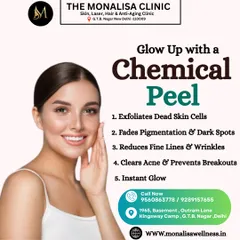
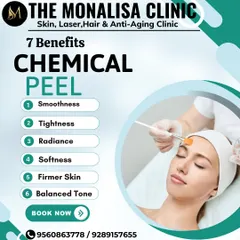
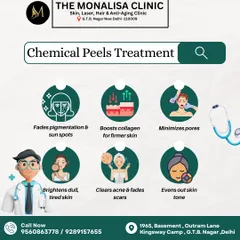
Professional Chemical Peels for Skin Renewal
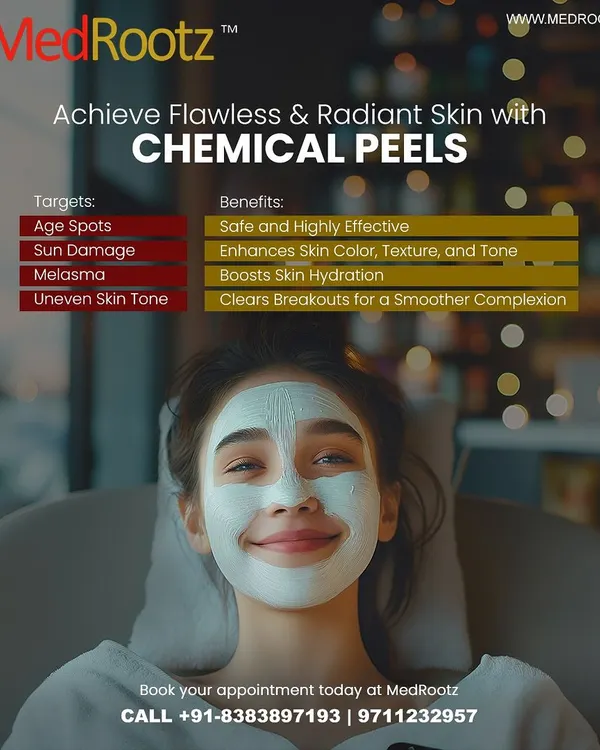 8
8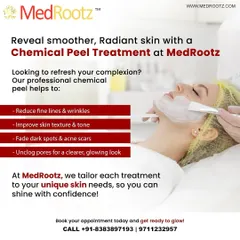
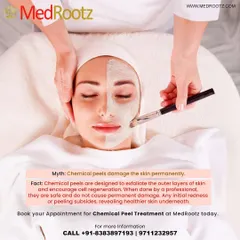

Medical-Grade Chemical Peels for Skin Renewal
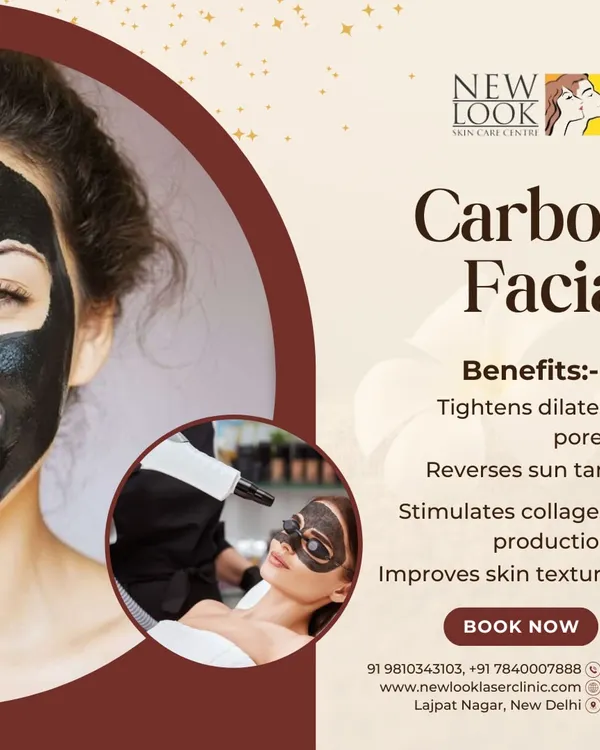 5
5

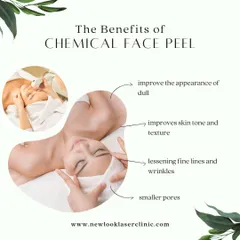
Advanced Laser and Chemical Peel Treatments

Advanced Skin Correction and Laser Treatments
 7
7
Professional Chemical Peel Treatments
 14
14Skin Rejuvenation & Glow Treatments
More from Advanced Medifacials & Peels by Ankita Pant