Building Life Skills & Values for Kids
We go beyond academics to nurture habits that last a lifetime. Discover how we use play and daily routines to teach manners, mindful eating, and confidence.
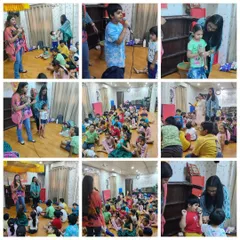
Children learn best by watching and doing. Our teachers use an engaging pretend show to demonstrate the difference between good and bad manners, covering topics like sharing, pushing, and biting.
We are passionate about teaching mindful eating. By removing screens during meals, we help children connect with their food, recognize their own hunger cues, and enjoy mealtime as a moment for family bonding.
"Show and Tell" is a fantastic activity for building confidence and communication skills. We love watching our little storytellers stand up and share their creations and ideas with their peers.
As educators, we feel it's important to inform parents about the risks of excessive screen time. This video provides valuable information on how isolated play with devices can impact a child's development.
We believe that nutritious food is the foundation of a healthy child. This video gives a tour of the clean, organized commercial kitchen of our meal partner, showing the care and hygiene that goes into preparing every meal.
This study tip emphasizes the importance of social skills development. We encourage playdates and group activities, like the pool play shown here, to help children learn cooperation, empathy, and how to interact positively with others.
Our study tips focus on practical learning methods. This graphic explains the concept of active learning, where children engage directly with material, such as through this hands-on painting activity with a teacher.
About Building Life Skills & Values
We tackle big developmental habits—manners, mealtime focus, and social confidence—in the same way you do at home: through repetition and gentle guidance. Our teachers use pretend-play scenarios to show children the difference between helpful and hurtful actions, ensuring these values are learned through play rather than lectures.
How We Teach Life Skills
Manners Through Pretend Play Instead of lecturing children on what is 'right' or 'wrong', we use roleplay. Our teachers act out scenarios, contrasting pushing with sharing, or snatching with helping. When children see these differences acted out in front of them, they mirror the positive behavior. It makes the lesson stick because they are experiencing the social feedback loop in real time.
Mindful Eating (No Screens) Mealtime is often a battleground at home, especially with devices involved. At Cubby Tales, we maintain a strict no-screen policy during meals. This isn't just about discipline; it is about biology. Without a screen to distract them, children connect with their food, learn to recognize their own hunger cues, and participate in the social rhythm of eating with their friends. It turns a rushed chore into a bonding experience.
Building Confidence with Show and Tell Public speaking is intimidating, even for adults. We start small with 'Show and Tell'. Whether a child brings a drawing or a favorite toy, the goal isn't the presentation—it is the courage to stand up and speak their truth. We provide a safe, non-judgmental space where every child's voice is heard, helping them grow into confident communicators.
The 'No-Screen' Philosophy We believe in the power of human interaction. While technology has its place, we prioritize face-to-face engagement. By limiting screen time, we protect the developing brain from over-stimulation and encourage children to use their own imagination to solve problems and initiate play.
Similar work from other experts
Browse through Curated picks from other experts on mytribe
Social Etiquette and Manners Classes for Kids


The Science Behind Our Play-Based Learning
 31
31
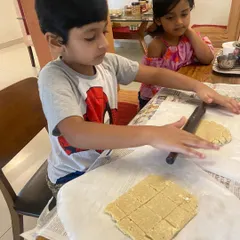
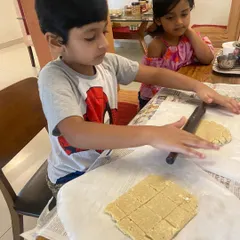
Practical Life Skills and Child Independence
Life Skills and Etiquette Classes for Kids in RR Nagar
Show & Tell: Building Confidence in Our Little Speakers
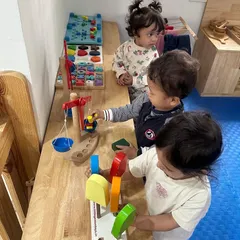
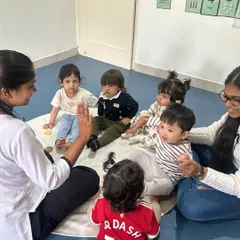
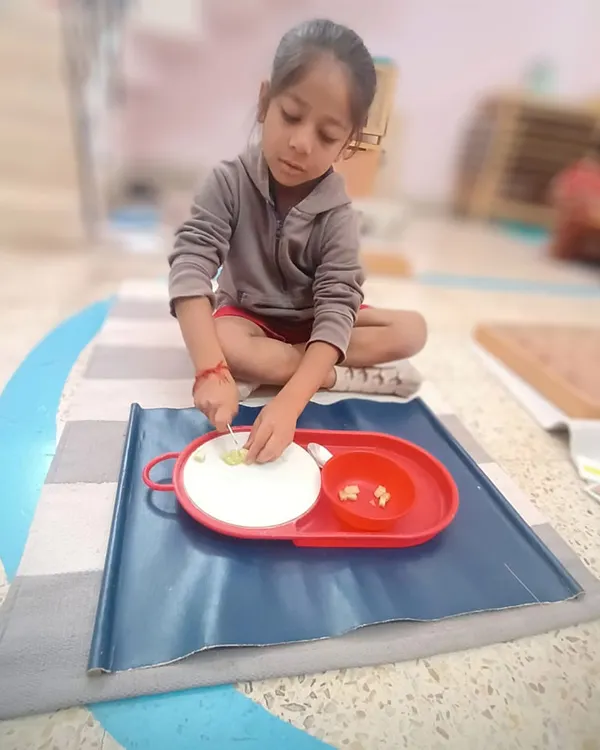
Fostering Independence: Practical Life and Role Play Activities
More from Daycare & Child Care Services by Cubby Tales
More services by Cubby Tales