Using Digital Evidence in Court: Legal Requirements and Privacy
WhatsApp chats and call recordings can be strong proof in court, but only if collected and presented the right way. Understand what counts as admissible evidence and how to avoid legal trouble.
The Supreme Court has clarified the rules for using electronic proof in legal proceedings. The judgment in Anvar P.V. vs P.K. Basheer is a key precedent that allows electronic forms to be used as secondary evidence, which is crucial for modern financial and commercial cases.
While gathering evidence, it is vital to respect privacy laws. Recording a phone conversation without permission violates Article 21 of the Constitution and is punishable under the Information Technology Act of 2000. I ensure that all evidence for your case is collected in a legally and ethically sound manner.
About Using Digital Evidence in Court
Simply taking a screenshot of a WhatsApp chat or playing a call recording in the courtroom is rarely enough to prove your case. To make digital data admissible under the Indian Evidence Act, it must be accompanied by a specific certificate under Section 65B. Without this document, judges often reject electronic proof, no matter how clear the conversation seems.
Why Digital Evidence Needs Technical Backing
In many commercial and personal disputes, the truth is hidden in your phone. From WhatsApp messages and emails to call transcripts, these are the modern equivalents of traditional documents. However, the law treats digital files differently. Under the Supreme Court judgment in Anvar P.V. vs P.K. Basheer, electronic records must satisfy strict conditions to be considered as secondary evidence. I help you navigate these requirements, ensuring your digital data is not just present, but legally valid.
The Section 65B Certificate
The core of presenting digital evidence in any court in Noida or the NCR region is the Section 65B certificate. This document, signed by the person in control of the device, verifies that the computer or phone used to generate the evidence was working properly and that the data has not been tampered with. If we miss this step, your evidence effectively disappears from the judge's consideration.
The Privacy Trap
While collecting evidence is necessary, you must be careful not to break the law. Recording a phone conversation without the other person's consent can be seen as an infringement of Article 21 of the Constitution, which protects the right to privacy. As I emphasize in my legal awareness sessions, doing this can actually lead to action against you under Section 72 of the Information Technology Act. I advise clients on how to collect information ethically so that your pursuit of justice does not create a new legal liability for yourself.
Handling Your Digital Assets
If you are involved in a recovery suit or a cheque bounce case, treat your digital communications as formal records. Do not delete threads, ensure your email backups are intact, and keep the original devices safe. If you need clarity on whether your current evidence will stand up in the Surajpur District Court or other local courts, I can review your records and suggest the right strategy.
Similar work from other experts
Browse through Curated picks from other experts on mytribe
Know Your Digital Rights: A Practical Guide
Practical Legal Answers for Common Court Issues
Cyber Law, Digital Fraud & Online Defamation Legal Help
Digital Evidence and Legal Procedures in Court
Legal Hacks: Smarter Strategy for Matrimonial Disputes
 11
11
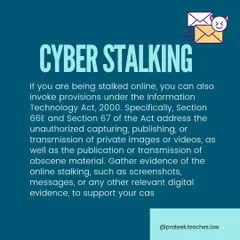
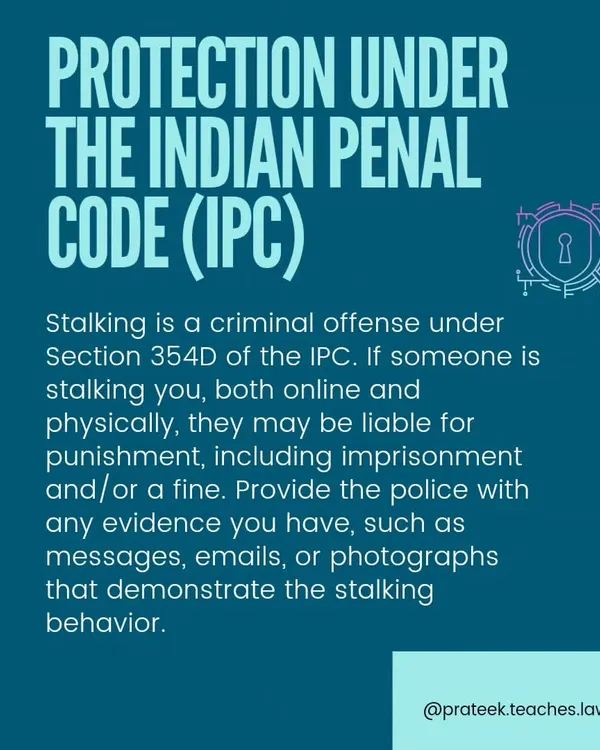
Legal Rights Against Online Stalking & Harassment
More from Commercial & Financial Law by Ranpal Awana
More services by Ranpal Awana